


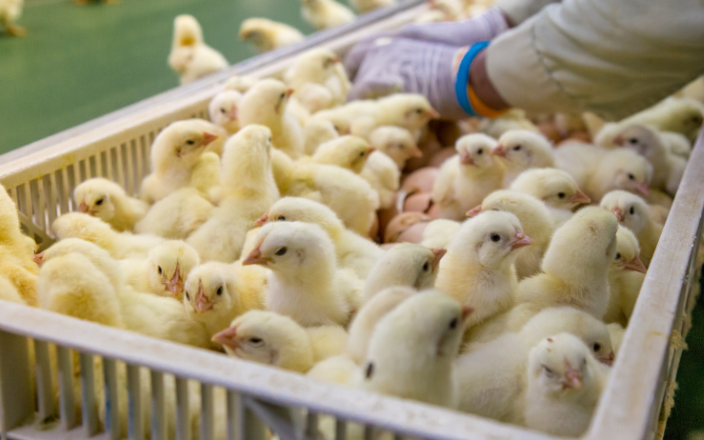
Alternative Production in Hatcheries in U.S.
The poultry industry in the U.S. has long relied on conventional hatchery practices to meet the growing demand for chicken and turkey production. However, in recent years, alternative production methods have gained traction as producers seek to balance efficiency, animal welfare, and sustainability. These innovations are reshaping hatchery operations and influencing the broader poultry supply chain.
Emphasis on Animal Welfare
- One of the most significant drivers of alternative hatchery production is the growing consumer demand for higher welfare standards.
- Traditional hatcheries often separate chicks from hens immediately after hatching, but alternative systems explore more natural approaches.
- For example, on-farm hatching allows chicks to emerge directly in the barn environment, reducing stress and improving early access to feed and water.
- This method is increasingly adopted by producers aiming to align with welfare-focused certifications.
Technological Innovations in the U.S.
Advances in technology are also fueling alternative hatchery practices. Automated monitoring systems now track embryo development with precision, ensuring optimal incubation conditions. Some hatcheries are experimenting with in-ovo feeding, where nutrients are introduced into the egg before hatching. This technique enhances chick vitality, reduces early mortality, and supports stronger growth performance. Such innovations demonstrate how science is reshaping traditional hatchery models.
Sustainability and Environmental Impact
- Sustainability is another key factor driving change in the U.S.
- Hatcheries are exploring energy-efficient incubators, waste reduction strategies, and water-saving technologies.
- By integrating renewable energy sources and optimizing resource use, hatcheries can lower their environmental footprint.
- Additionally, alternative production systems often emphasize antibiotic-free rearing, which aligns with consumer preferences and regulatory trends toward more sustainable food production.
Market and Consumer Influence
The U.S. market plays a decisive role in shaping hatchery practices. Retailers and food service companies increasingly demand poultry products that meet specific welfare and sustainability standards. As a result, hatcheries adopting alternative production methods gain competitive advantages. This shift reflects a broader trend in which consumer expectations directly influence production strategies, pushing the industry toward more transparent and responsible practices.
Challenges and Opportunities
Despite the benefits, alternative hatchery production faces challenges. Higher costs, logistical complexities, and the need for specialized equipment can limit widespread adoption. However, opportunities abound for producers who invest in these systems. By differentiating their products and meeting evolving market demands, hatcheries can secure long-term resilience and profitability.
Conclusion
Alternative production in U.S. hatcheries represents a dynamic intersection of welfare, technology, and sustainability. While challenges remain, the industry’s willingness to innovate signals a future where hatcheries play a central role in delivering poultry that meets both consumer expectations and global sustainability goals.
Sources: Available upon request