


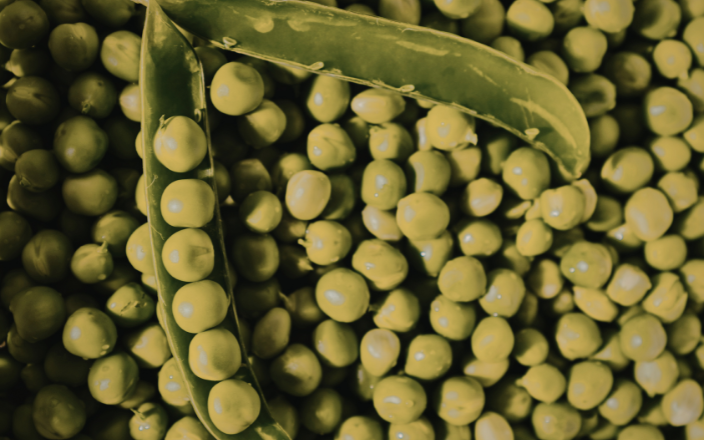
Field Peas as Soy Alternative in Broilers
Soybean meal has long been the cornerstone of poultry diets worldwide due to its high protein content and balanced amino acid profile. However, rising costs, supply chain vulnerabilities, and sustainability concerns have prompted researchers to explore alternative protein sources. A recent Australian study has highlighted the potential of locally grown field peas as a viable substitute for soybean meal in broiler diets, offering promising implications for both producers and the broader poultry industry.
Nutritional Value of Field Peas
Field peas are rich in protein, energy, and essential amino acids, making them a strong candidate for inclusion in poultry feed. While traditionally considered less efficient than soybean meal due to anti-nutritional factors such as tannins and trypsin inhibitors, modern breeding and processing techniques have significantly reduced these limitations. The Australian study demonstrated that properly processed field peas can deliver comparable growth performance and feed conversion ratios in broilers.
Performance in Broilers
The research trial compared broilers fed diets containing soybean meal with those fed diets incorporating varying levels of field peas. Results showed that growth rates, carcass yield, and overall health indicators remained consistent across both groups. Importantly, feed conversion efficiency did not decline when field peas replaced soybean meal, suggesting that broilers can thrive on diets with substantial pea inclusion.
Economic and Environmental Benefits
Replacing imported soybean meal with locally grown field peas offers clear economic advantages. Producers can reduce dependency on volatile global soybean markets, stabilize feed costs, and support domestic agriculture. Environmentally, field peas contribute to sustainable farming systems by fixing nitrogen in the soil, reducing the need for synthetic fertilizers, and lowering the carbon footprint associated with feed production and transport.
Implications for Poultry Producers
The findings provide poultry producers with a practical alternative that aligns with both economic and sustainability goals. Field peas can be integrated into feed formulations without compromising bird performance, while simultaneously strengthening local supply chains. This shift could also enhance consumer confidence in poultry products by demonstrating commitment to sustainable and locally sourced feed ingredients.
Conclusion
The Australian study underscores the potential of field peas as a reliable alternative to soybean meal in broiler diets. By leveraging local crops, producers can achieve cost savings, reduce environmental impact, and maintain high standards of poultry performance. As the industry continues to seek resilient and sustainable solutions, field peas may play a pivotal role in shaping the future of broiler nutrition.
Sources: Available upon request