


The poultry sector, particularly the broiler industry, is among the fastest growing in animal agriculture, supplying affordable protein worldwide. Chicken’s efficiency, stable pricing, and broad acceptance make it central to food security as the global population nears 10 billion.
Cobb Asia Pacific School: knowledge on the ground
Against this backdrop, Cobb Asia-Pacific hosted its regional school in Manila from May 31–June 3, 2026. The program gathered customers to share farm‑ready insights on nutrition, management, ventilation, chick quality, and performance optimization under regional conditions.
Opening the event, Alvin Arucan, Director of Technical Services, emphasized Asia’s rapid poultry expansion, driven by urbanization and rising incomes. He recalled earlier projections of rising food demand and noted chicken’s rise as a leading protein source.

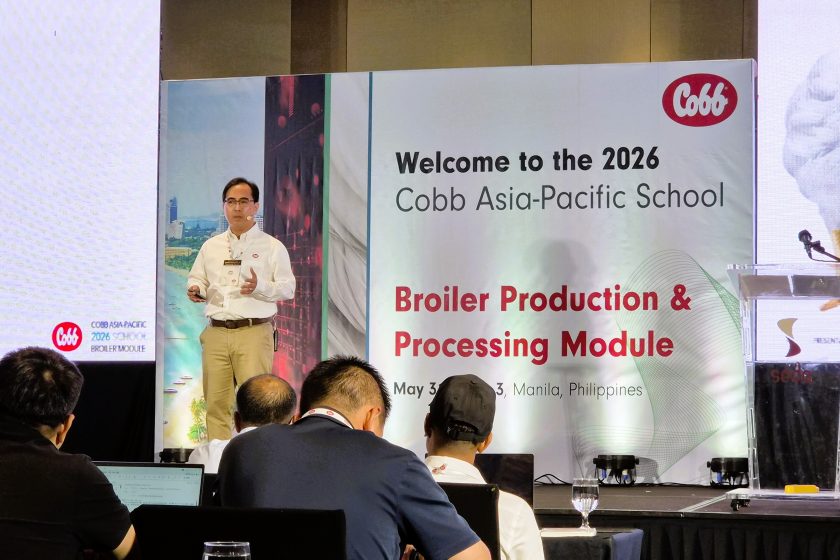
Dr Alvin Arucan
Dr Arucan outlined four challenges: disease outbreaks, supply disruptions, environmental limits, and labor shortages. He stressed that vaccination, welfare standards, and technology will be vital for sustainable growth.
From Dr Arucan’s call for resilience, the technical sessions moved into practical strategies. The sessions linked science with daily farm realities, showing how management, nutrition, and welfare can directly improve flock performance.
Chick quality excellence shapes performance
Chick quality depends on careful storage, incubation, and feeding. Chris Murrell, EU Hatcheries Manager, explained how SPIDES (short periods of incubation during egg storage) heat treatment restores embryo viability, while precise incubation temperatures protect organ development and immunity.
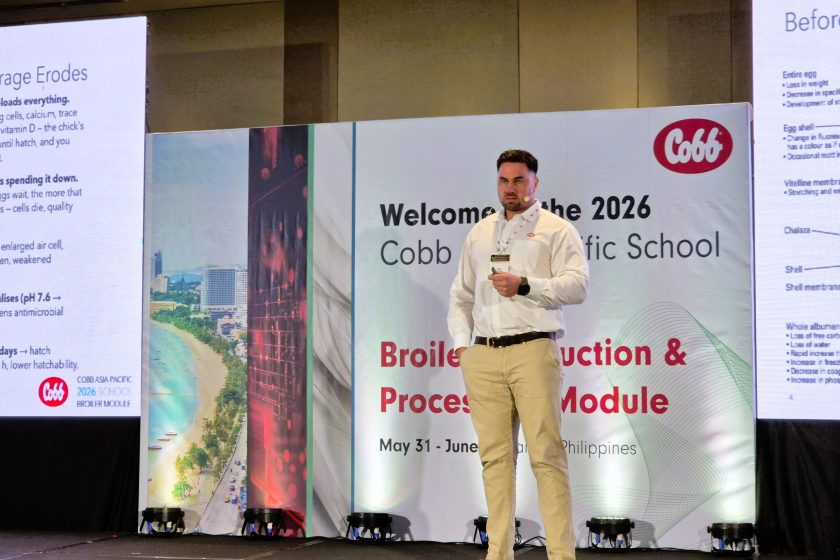
Chris Murrell
He added that clean nests, uniform hatch timing, and timely feeding safeguard long‑term flock success. Mr Murrell stressed that chick quality is the foundation of growth, health, and performance, requiring consistent management across hatchery and farm.
Managing modern broiler growth
The first week is critical for broilers, with chicks needing to reach 4.5–5 times their day‑old weight by day seven. Brendan Graaf, Broiler Specialist – Tech Service EMEA, highlighted that feed, water, air quality, lighting, and temperature form the foundation of growth.
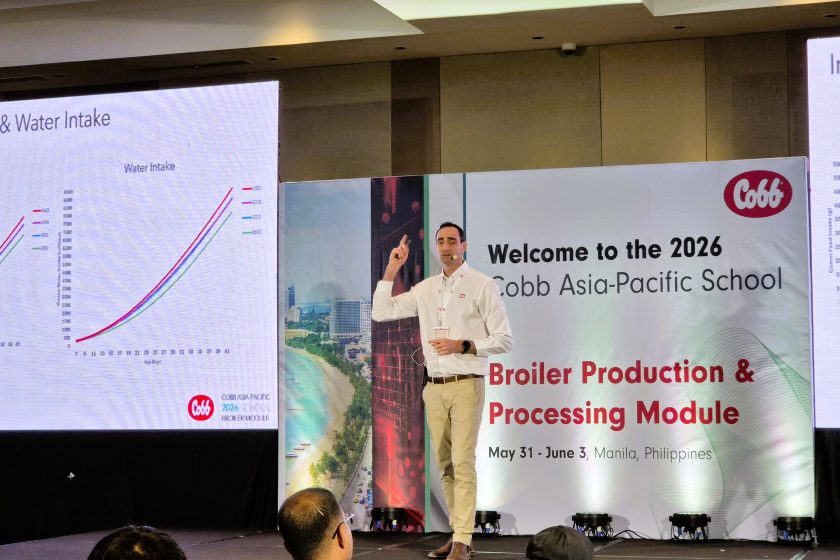
Brendan Graaf
He emphasized that uniformity at placement cannot be corrected later. Strong early management, combined with careful control of environment and nutrition, ensures higher growth, better feed conversion, and reduced mortality in modern broiler flocks.
Advanced nutrition strategies
Suttisak Boonyoung, Cobb Asia‑Pacific Nutritionist, discussed how precision nutrition is shaped by genetics, health, and environment. Functional amino acids strengthen gut integrity, immunity, and meat quality. Integrated strategies support antibiotic‑free production and resilience against heat stress.
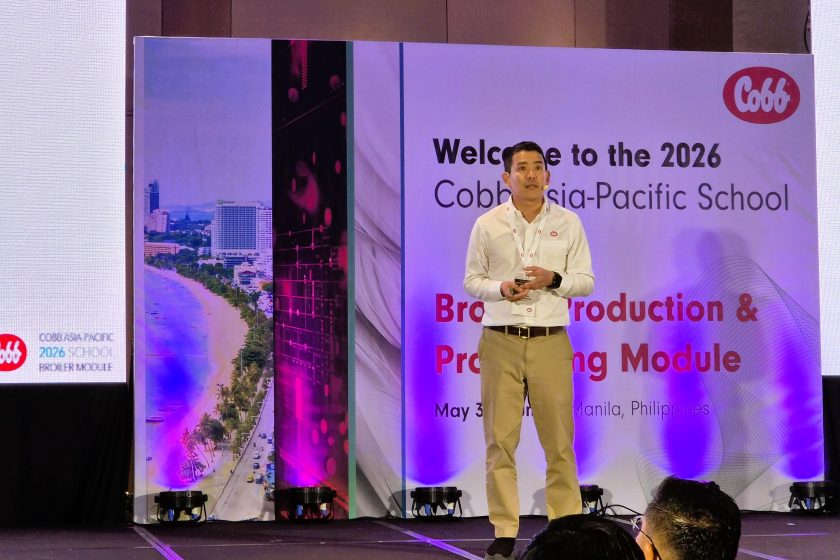
Dr Suttisak Boonyoung
He noted that targeted nutrients also improve skin and muscle quality. Histidine balance reduces myopathy, while arginine and zinc strengthen skin. These strategies show how nutrition supports growth, health, and product quality.
Harvest management and yield optimization
Careful catching, transport, and feed withdrawal protect welfare and profitability. David Beavers, Processing Specialist – World Tech Support, explained that eight to twelve hours of withdrawal balances intestinal strength and contamination risk.
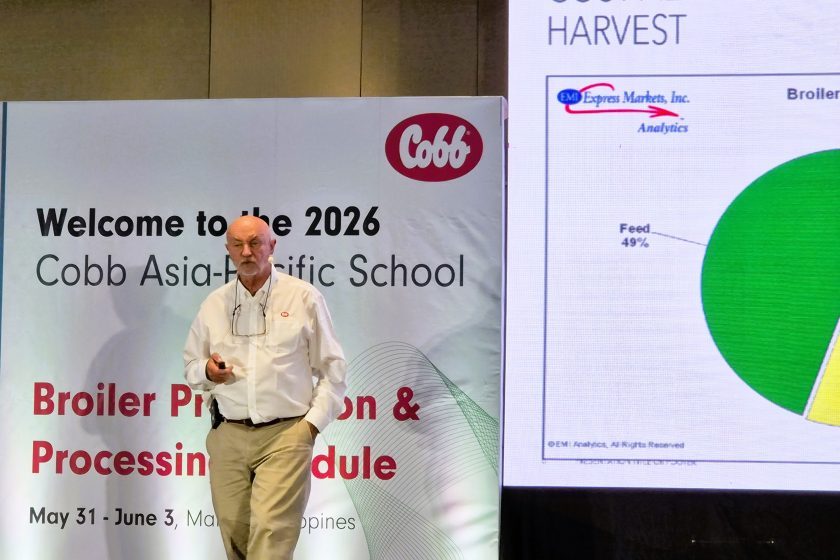
David Beavers
He stressed that small improvements across logistics and processing deliver significant yield gains. Proper handling, ventilation, and plant management reduce losses, protect meat quality, and strengthen profitability across the supply chain.
Tackling muscle myopathies
Conditions such as wooden breast and white striping remain a challenge. Dr Kanjana Blumberg, Cobb Asia‑Pacific Technical Service Manager, noted that hatchery management, balanced growth, and nutrition all help reduce risks.
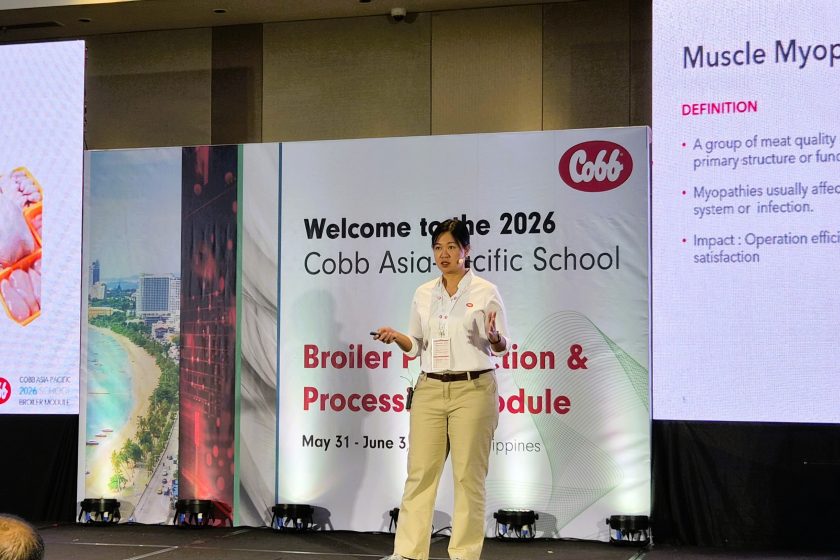
Dr Kanjana Blumberg
She added that new technologies like hyperspectral imaging improve detection and efficiency. A holistic approach across the supply chain helps mitigate myopathies, balancing operational costs, plant efficiency, and customer satisfaction.
Water quality as the foundation of broiler performance
Amin Suyono, Cobb Asia‑Pacific Technical Service Manager, explained that water is the most vital nutrient, regulating temperature, transporting nutrients, and eliminating waste. Birds that consume twice as much water as feed, so restrictions quickly reduce growth and efficiency.
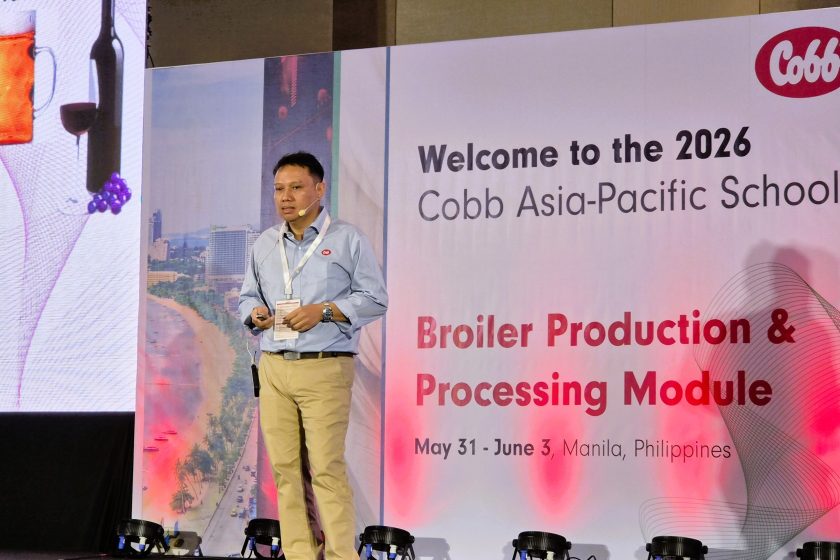
Amin Suyono
He explained that hygiene and management are critical. Biofilm in drinker lines harbors bacteria, requiring flushing, sanitation, and testing. Cool water between 10–14°C supports intake, while warm water reduces growth. Consistent monitoring, chlorination, UV treatment, and pH or ORP checks safeguard flock health and yield.
Ventilation strategies from brooding to harvest
Ventilation is essential for air quality, moisture control, and bird welfare. Mr Graaf highlighted that minimum ventilation removes CO₂ and humidity, transitional systems manage rising temperatures, and tunnel ventilation ensures cooling efficiency.
He stressed that after the brooding period/first week, moisture control drives air quality, with higher water intake requiring higher ventilation rates. In tropical climates, humidity demands careful adjustment, while tunnel systems must deliver strong airspeed. Correct inlet design, fan staging, and humidity monitoring are vital, evaporative cooling should only be used when house relative humidity is below 85%.
Nutrition strategies for heat stress relief
Heat stress reduces growth, weakens gut integrity, and harms meat quality. Dr Boonyoung explained that birds pant heavily, lose water, and eat less, leading to poor weight gain and higher feed conversion.
He emphasized that resilience depends on gut health and balanced nutrition. Strategies include amino acid adjustment, enzymes, probiotics, antioxidants, and proper feed form. Pellets reduce heat production, electrolyte balance stabilizes metabolism, and restricted feeding during hot periods improves efficiency.
Protecting profits through yield optimization
Yield drives profitability, diluting farm and plant costs. In the final presentation, Mr Beavers outlined best practices across the chain, from unloading and hanging to scalding, picking, and chilling.
Proper handling reduces damage, while balanced scalding and precise evisceration prevent yield loss. Cooling birds below 4°C improves shelf life and reduces shrink, ensuring product quality and stronger profitability.
Balancing growth and sustainability
The Cobb Asia‑Pacific School underscored Asia’s role as the center of global demand. Presentations showed that chick quality, early growth, precision nutrition, welfare, and yield optimization are all essential.

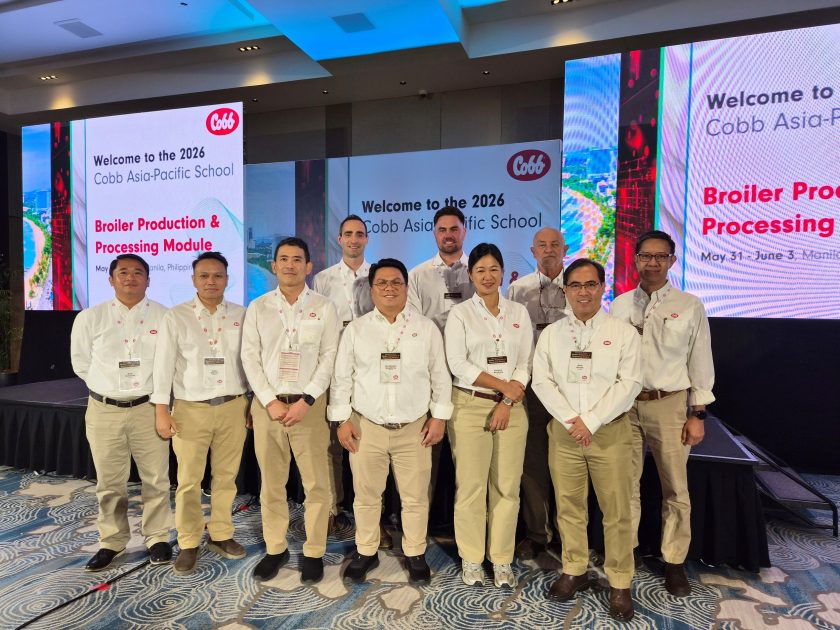
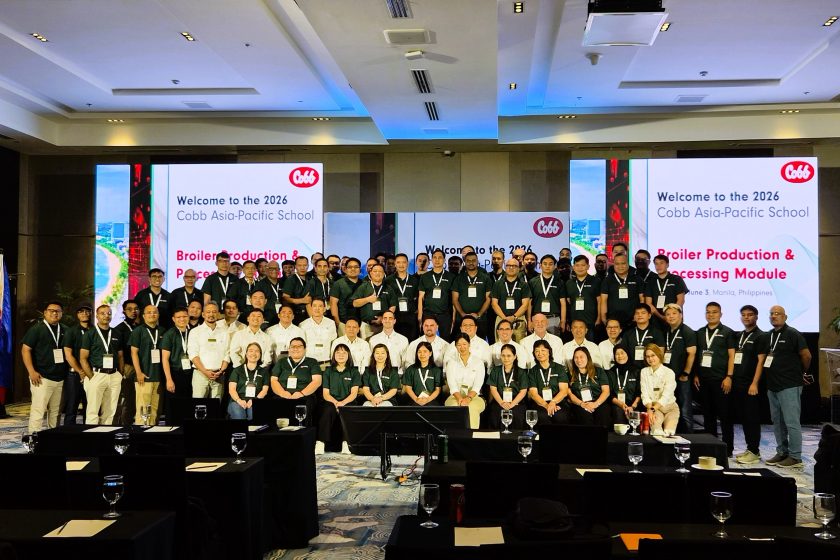
The Cobb team at the Cobb Asia-Pacific School
As Dr Arucan noted, the region must balance efficiency with sustainability. Disease control, welfare standards, and technological integration will define competitiveness in the years ahead, ensuring poultry remains a cornerstone of global food security.