


Content available at:
The livestock sector is one of the largest sources of methane emissions in Vietnam’s agriculture, facing the urgent challenge of reducing greenhouse gases to achieve sustainable development goals.
From improving animal diets and developing biogas systems to adopting circular farming models, new technologies are paving the way toward a greener livestock industry.
In Vietnam’s greenhouse gas emission structure, agriculture accounts for around 33%, with livestock being the main source of methane. This gas is primarily produced through two processes: enteric fermentation in ruminants and anaerobic decomposition of animal waste.
With a heat-trapping capacity 28 times stronger than CO₂ over a century, methane is a major contributor to global warming and poses a significant challenge to Vietnam’s international emission reduction commitments.
Methane emissions – A challenge from the barn
In recent years, research institutes, enterprises, and farmers have been testing various solutions to cut methane emissions while maintaining productivity. Several techniques have proven effective and are considered the most viable options for broader adoption.
One of the most prominent measures is adjusting livestock diets, especially for cattle and buffalo. When animals consume large amounts of roughage such as grass or rice straw, fermentation in the rumen produces substantial methane.
Supplementing diets with concentrates like grains, cornmeal, soybean meal, or nutritional additives helps improve microbial efficiency in the rumen, reducing emissions.
Special feed additives such as red seaweed have shown the ability to cut up to 80% of methane produced during digestion.
In Vietnam, scientists are also exploring local ingredients, such as palm oil, tea leaf extracts, and tannins from acacia bark – to develop cost-effective, context-appropriate solutions.
Probiotics represent another promising approach. Adding beneficial microbial strains to animal feed can redirect digestive processes, reducing methane formation while improving nutrient absorption. This is both environmentally friendly and productivity-enhancing.
Best available techniques
While dietary improvements help mitigate emissions from digestion, waste management is the key to controlling methane released from barns.
In many smallholder farms, manure and wastewater are still discharged directly into the environment or left to decompose naturally, causing odors, pollution, and greenhouse gas emissions.
The most common technology today is the biogas digester. When manure is placed in an airtight tank, methane generated during decomposition can be captured for use as fuel or electricity, cutting emissions and bringing economic benefits.

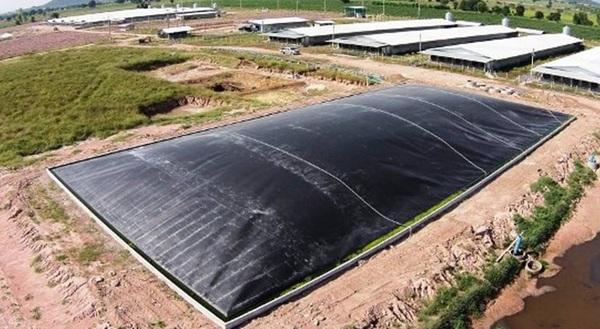
Vietnam currently has around 500,000 biogas digesters, but scaling up and upgrading technology is crucial to meet the growing demands of livestock production.