


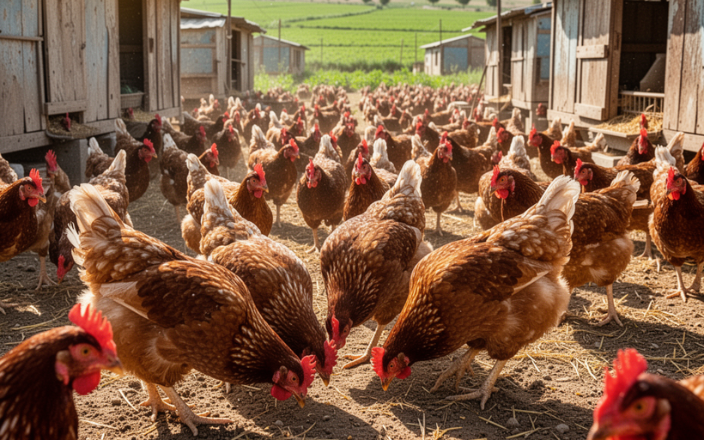
Iran’s poultry industry, once a cornerstone of domestic food security, is now facing an unprecedented crisis. Severe feed shortages, currency collapse, and economic instability have pushed farms to the brink. Disturbingly, reports indicate that chickens deprived of adequate nutrition have begun engaging in cannibalism, underscoring the depth of the sector’s challenges.
Feed Shortages and Currency Collapse
- At the heart of the crisis lies Iran’s inability to secure foreign currency to import essential feed ingredients such as corn and soybeans.
- These two components form the backbone of poultry diets worldwide.
- Without them, farmers cannot sustain their flocks, leading to malnutrition and aggressive behavior among birds.
- The collapse of the Iranian rial has exacerbated the situation, making imports prohibitively expensive and leaving producers without viable alternatives.
Cannibalism Among Flocks
The most alarming consequence of these shortages has been the rise of cannibalism in poultry farms. Chickens, stressed and underfed, have reportedly begun attacking and eating each other. This behavior is not only a sign of extreme deprivation but also a serious animal welfare issue. It highlights the biological stress placed on birds when basic nutritional needs are unmet.
Farmer Protests and Symbolic Actions
- The crisis has sparked outrage among farmers, many of whom staged symbolic protests outside the Iranian parliament.
- In one striking demonstration, farmers performed “funeral prayers” for the poultry industry, signaling their belief that the sector is on the verge of collapse.
- These protests reflect both the desperation of producers and the broader social implications of food insecurity in Iran.
Economic and Policy Challenges
Beyond feed shortages, the industry faces a cascade of economic pressures. Rising production costs, inflation, and the removal of government subsidies have left many farms financially unsustainable. Policy volatility and inconsistent support measures have further undermined confidence in the sector. Without immediate intervention, experts warn that widespread bankruptcies could devastate one of Iran’s most vital agricultural industries.
Implications for Food Security
- Iran’s poultry industry has long been a critical source of affordable protein for the population.
- Its decline threatens national food security, potentially increasing reliance on costly imports and deepening the economic crisis.
- The cannibalism reports serve as a stark reminder of how interconnected economic policy, currency stability, and agricultural sustainability truly are.
Conclusion
The situation in Iran’s poultry sector illustrates the devastating impact of economic collapse on agriculture. Feed shortages have triggered cannibalism among flocks, farmer protests, and fears of industry-wide collapse. Unless decisive measures are taken to stabilize currency flows and secure feed imports, the future of Iran’s poultry industry—and the food security of millions—remains in grave jeopardy.
Sources: Available upon request