


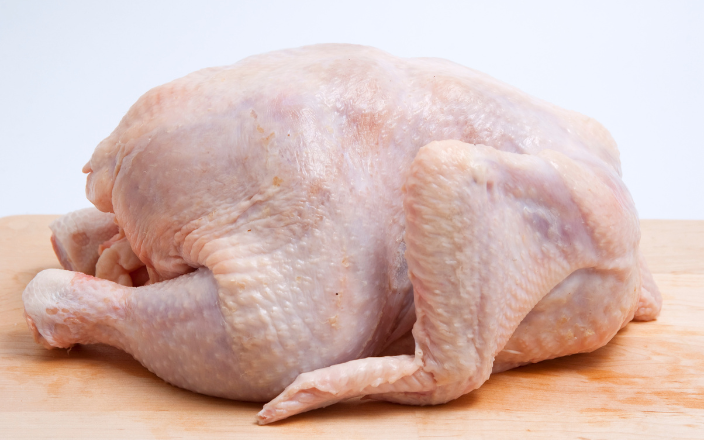
Carcass and Retail Meat Quality of Broilers by Slaughter Age
Slaughter age is one of the most important factors affecting carcass yield and meat quality in broiler chickens. Modern broilers grow rapidly, allowing producers to target specific market weights within a short production cycle. However, even small differences in slaughter age can significantly influence carcass composition, retail cut proportions, and physicochemical meat characteristics. Research has shown that slaughter ages ranging from 28 to 34 days may result in measurable changes in carcass weight, dressing percentage, and meat quality attributes, highlighting the importance of optimizing harvesting schedules1.
Carcass Characteristics
As broilers age, live weight and carcass weight increase substantially due to continued muscle growth and body development. Park et al. reported that broilers slaughtered at 34 days exhibited significantly higher carcass, breast, thigh, wing, and tenderloin weights compared with birds processed at 28 days. In addition, dressing percentage improved with increasing age, indicating a greater proportion of edible yield. Similarly, Coban et al. observed that extending the growth period enhanced carcass traits and the commercial value of cut-up parts, particularly breast meat yield2.
Retail Meat Cuts Development
The distribution of retail cuts is strongly associated with slaughter age. Older broilers generally produce larger breast fillets, thighs, wings, and tenderloins, which are economically valuable in chicken processing industries. Studies indicate that breast muscle growth accelerates during the later stages of broiler development, resulting in higher proportions of premium cuts at older slaughter ages. Consequently, processors often select slaughter ages that maximize breast meat production while maintaining processing efficiency and market demands.
Meat Quality Attributes
Slaughter age also affects several meat quality parameters, including protein content, pH, color, water-holding capacity (WHC), cooking yield, and tenderness. Park et al. found that protein and ash contents increased with age, reflecting progressive muscle maturation. Breast meat redness tended to increase, whereas thigh meat lightness decreased as slaughter age advanced. Furthermore, birds slaughtered at 30–32 days demonstrated superior WHC and cooking yields compared with younger or older groups, suggesting an optimal balance between growth and meat functionality1.
Conclusion
The available scientific evidence demonstrates that slaughter age significantly influences both carcass characteristics and retail meat cut quality in broiler chickens. Increased slaughter age generally enhances carcass weight and the yield of valuable retail cuts, particularly breast meat. Nevertheless, quality traits such as tenderness, color, pH, and water-holding capacity may vary according to the age at processing. Therefore, selecting an appropriate slaughter age is essential for maximizing economic returns while ensuring desirable meat quality for consumers and the poultry industry.
Sources: