


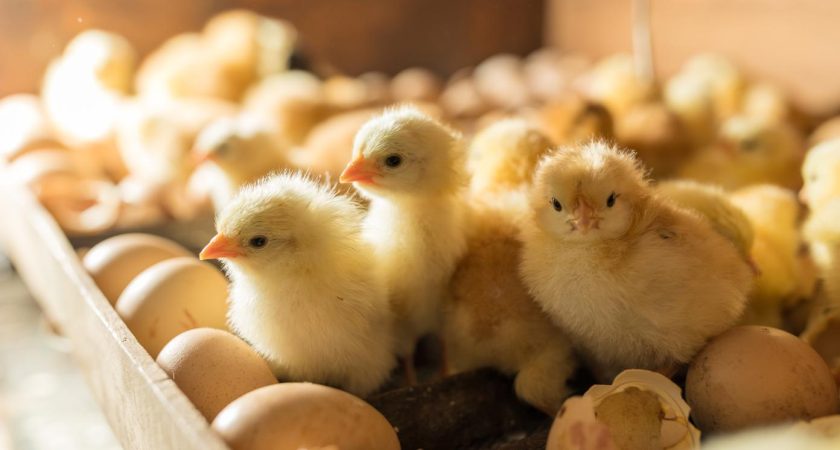
Introduction and operational overview
This topic forms the very backbone of the poultry industry—chicken hatchery operations. Whether you are involved in breeding, broiler production, or layer farming, the hatchery is where life begins and where the foundation of performance, productivity, and profitability is laid.
A hatchery is not merely a place where eggs hatch—it is a highly controlled biological and technical system. It serves as a critical bridge between breeder farms and commercial poultry units. The quality of chicks produced in a hatchery directly influences flock uniformity, feed conversion efficiency, disease resistance, and ultimately, the economic success of poultry enterprises.
Understanding hatchery operations
The hatchery process follows a 21-day biological cycle, which mirrors the natural incubation period of a chicken egg. However, unlike natural conditions, hatchery environments are carefully controlled to optimize every parameter—temperature, humidity, airflow, and hygiene—to achieve maximum efficiency.
The operation involves several key stages:
- Egg receiving
- Storage
- Incubation
- Hatching
- Chick processing
- Dispatch
Each stage is interconnected, and any error at one stage can compromise the entire cycle. Therefore, precision and discipline are essential throughout the process.
Importance of fertile egg quality
The success of a hatchery begins not inside the hatchery, but at the breeder farm level. Only high-quality fertile eggs should be selected.
These eggs must be:
- Clean
- Well-shaped
- Uniform in size
- Free from cracks or deformities
Maintaining the correct male-to-female ratio in breeder flocks is crucial for achieving optimal fertilization rates.
Post-collection handling plays a vital role:
- Eggs should be sanitized or fumigated to eliminate contaminants
- Stored at 16-18°C with 70-75% relative humidity
- Utilized within 5-7 days to maintain high hatchability
- Proper handling is essential, as rough handling can reduce embryo viability significantly.