


Supplementing drinking water with fructo‑oligosaccharides (FOS) improved broiler performance, stabilized blood glucose, reduced stress markers, and enhanced meat quality, a study by Thai researchers showed.
FOS are prebiotics—non‑digestible carbohydrates that act as substrates for beneficial gut bacteria such as bifidobacteria and lactobacilli. Through selective fermentation, they support gut health, immune function, and productive efficiency. Although FOS have been widely studied as feed additives, their impact when delivered through drinking water has received less attention.
This study addressed that gap, demonstrating that water‑soluble FOS can provide measurable benefits in commercial poultry production. The experiment was conducted on Ross 308 broilers, offering practical insights for widely used commercial strains.
Feed intake and efficiency gains
FOS was tested at 0.25% and 0.50% concentrations against a control group. During the grower phase, 0.25% FOS significantly increased feed intake, while 0.50% FOS reduced feed cost per gain.
Across the 36‑day period, both levels improved the European Production Efficiency Factor, reflecting stronger productivity. Although feed conversion ratio improvements were not statistically significant, the downward trend suggested enhanced nutrient absorption and gut function.
Blood glucose stability after feeding
Blood glucose was measured after feed withdrawal and re‑feeding. At one hour post‑feeding, birds receiving 0.50% FOS showed significantly higher glucose levels than controls. More importantly, glucose levels in FOS groups remained steady between two and four hours, while control birds experienced a decline.
This stability indicates that FOS slowed the reduction of blood glucose after feeding, likely linked to microbial enzyme activity that enhances carbohydrate breakdown.
Stress reduction through immune balance
White blood cell analysis showed that FOS supplementation decreased heterophil counts and increased lymphocyte counts, lowering the heterophil‑to‑lymphocyte ratio. This ratio is widely recognized as a stress indicator in poultry.
The findings suggest that FOS supplementation reduced physiological stress and supported immune balance. No significant effects were observed on eosinophil or monocyte counts, underscoring the targeted impact on stress‑related markers.
Carcass yield and meat retention
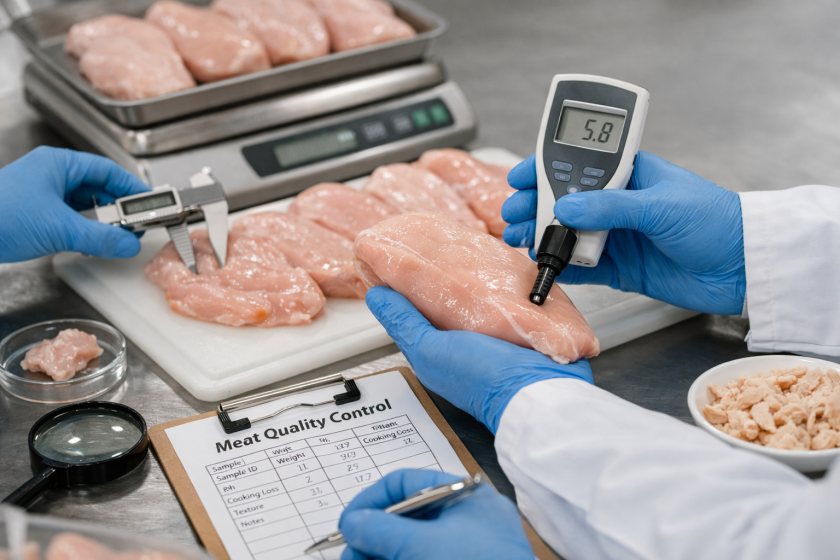
Carcass composition was largely unaffected, with no significant changes in breast meat yield or abdominal fat. However, meat quality improved. Both FOS levels significantly reduced cooking loss, enhancing water retention and texture.
Drip loss and thaw loss were not notably altered, but the reduction in cooking loss is commercially relevant, improving consumer perception of juiciness and tenderness. Texture analysis confirmed firmness and chewiness remained consistent across groups.
Gut microbiota shifts
Microbial sequencing revealed that FOS supplementation increased beneficial bacterial families such as Lactobacillaceae and Acidaminococcaceae, while reducing Lachnospiraceae and Barnesiellaceae.
These shifts suggest that FOS promoted a healthier gut microbiota composition, which may explain improvements in feed efficiency, glucose stability, and stress reduction. A tendency toward increased cecal weight was also observed at 0.50% FOS, indicating stimulation of microbial fermentation activity.
Practical implications for poultry production
The study highlights that supplementing drinking water with FOS improved overall performance, stabilized blood glucose, reduced stress indicators, and enhanced meat quality through lower cooking loss.
These benefits were linked to favorable changes in gut microbiota. Carcass yield remained largely unchanged, but the findings suggest that water‑soluble FOS can be a useful prebiotic additive in broiler production. Delivering FOS via water may also offer practical advantages, since shorter transit times and dilution effects can support additive survival compared with feed supplementation.