


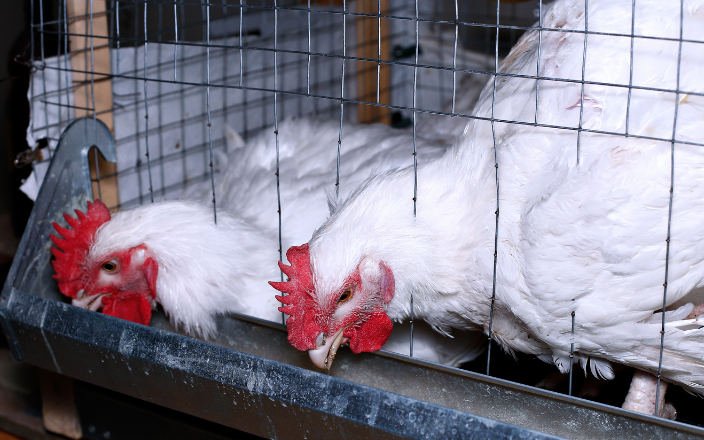
Butyric acid and yeast culture supplementation in broilers has been shown to significantly improve gut health, immunity, and feed efficiency, offering a credible alternative to antibiotic growth promoters. Recent studies highlight their synergistic effects on growth performance and carcass quality1.
Introduction
To improve broiler health and boost growth and feed efficiency, research is working on providing solutions through natural additives to animal feed. Among possible solutions, butyric acid, which is a short-chain fatty acid, and certain yeast cultures that provide the animals with probiotic-like effects, can be supplemented to animal feed to tackle more than one of the emerging poultry production challenges.
Growth Performance and Feed Efficiency
Supplementation with microencapsulated butyric acid could improve nutrient digestibility by stimulating intestinal villi development, while yeast culture could enhance enzyme activity and nutrient absorption. Studies show that combined supplementation leads to higher body weight gain and improved feed conversion ratio (FCR) compared to control diets1.
Gut Health and Microbiota
Butyric acid acts as an energy source for colonocytes, strengthening intestinal barriers and reducing pathogen colonization. Yeast culture contributes beneficial metabolites that support microbial balance. Research indicates that broilers fed both additives exhibit reduced pathogenic bacteria and improved gut morphology, which translates into better nutrient utilization and resilience against enteric diseases.
Immune Response
Yeast culture contains β-glucans and mannan oligosaccharides that stimulate immune cells, while butyric acid modulates inflammatory responses. Combined supplementation has been linked to enhanced antibody titers and stronger immune responses against common poultry pathogens, reducing reliance on antibiotics for disease prevention2.
Carcass Traits and Meat Quality
Improved nutrient absorption and gut health contribute to better carcass yield and quality. Studies report higher breast meat yield and reduced abdominal fat in broilers receiving butyric acid and yeast culture, aligning with consumer demand for leaner poultry products1.
Antibiotic Alternatives and Sustainability
With global restrictions on antibiotic growth promoters (AGPs), butyric acid and yeast culture represent sustainable alternatives. Their synergistic effects not only improve productivity but also support One Health goals by reducing antimicrobial resistance risks.
Conclusion
Scientific evidence confirms that butyric acid and yeast culture supplementation enhances broiler growth, gut health, immunity, and carcass quality. Their combined use offers a practical, sustainable strategy for poultry producers seeking to optimize performance while minimizing antibiotic dependence.
Sources: