


The poultry industry plays a vital role in global food security. However, intensively reared flocks are exposed to various stressors that increase susceptibility to gastrointestinal issues and reduce productive performance and profitability.
Traditionally, antibiotics have been used to improve health and productivity. Yet, growing antimicrobial resistance and consumer demand for antibiotic-free products have driven the search for more sustainable alternatives such as probiotics.
Probiotics are live, non-pathogenic microorganisms that can provide health benefits to the host when consumed in adequate amounts and are a promising approach to improve gut health in poultry. These beneficial bacteria can help to modulate the gut microbiome, exclude pathogens, support intestinal integrity and the gut epithelia (villi length), and improve nutrient digestion.
Orffa, as an innovative feed solutions provider, has developed an optimal probiotic blend containing robust and viable spores of two Bacillus species: Bacillus subtilis and Weizmannia coagulans (synonym Bacillus coagulans). In an experimental trial, carried out at the University of the Philippines Los Baños (UPLB), the aim was to compare the effects of the probiotic blend to zinc bacitracin on performance and carcass characteristics of broilers.
A total of 420 Cobb 500 broilers were divided into 3 treatments, each with 14 replicate cages. A negative control diet, a positive control diet supplemented with 50 ppm of zinc bacitracin, and a probiotic diet with 30 ppm of the concentrated probiotic blend, (providing 3 × 10⁸ CFU/kg feed). Diets were all in mash form. The study lasted for 33 days and consisted of 3 feeding phases: chick booster from d0 to 10, broiler starter from d10 to 24, and broiler finisher from d24 to 33.
For the overall rearing period, there were no significant differences in growth performance and feed efficiency between treatments. Body weight (Figure 1) and survivability (Figure 2) of the broilers at 33 days of age was numerically the highest for the probiotic treatment. Live weight before slaughter and dressed weight was significantly higher for the probiotic treatment than the negative control and zinc bacitracin groups (Figure 3). With regards to the different commercial cuts, percentage yield for breast meat, leg quarters and wings were numerically the highest for the probiotic treatment (Figure 4) indicating an economic benefit when supplementing broiler feed with this double strain probiotic.

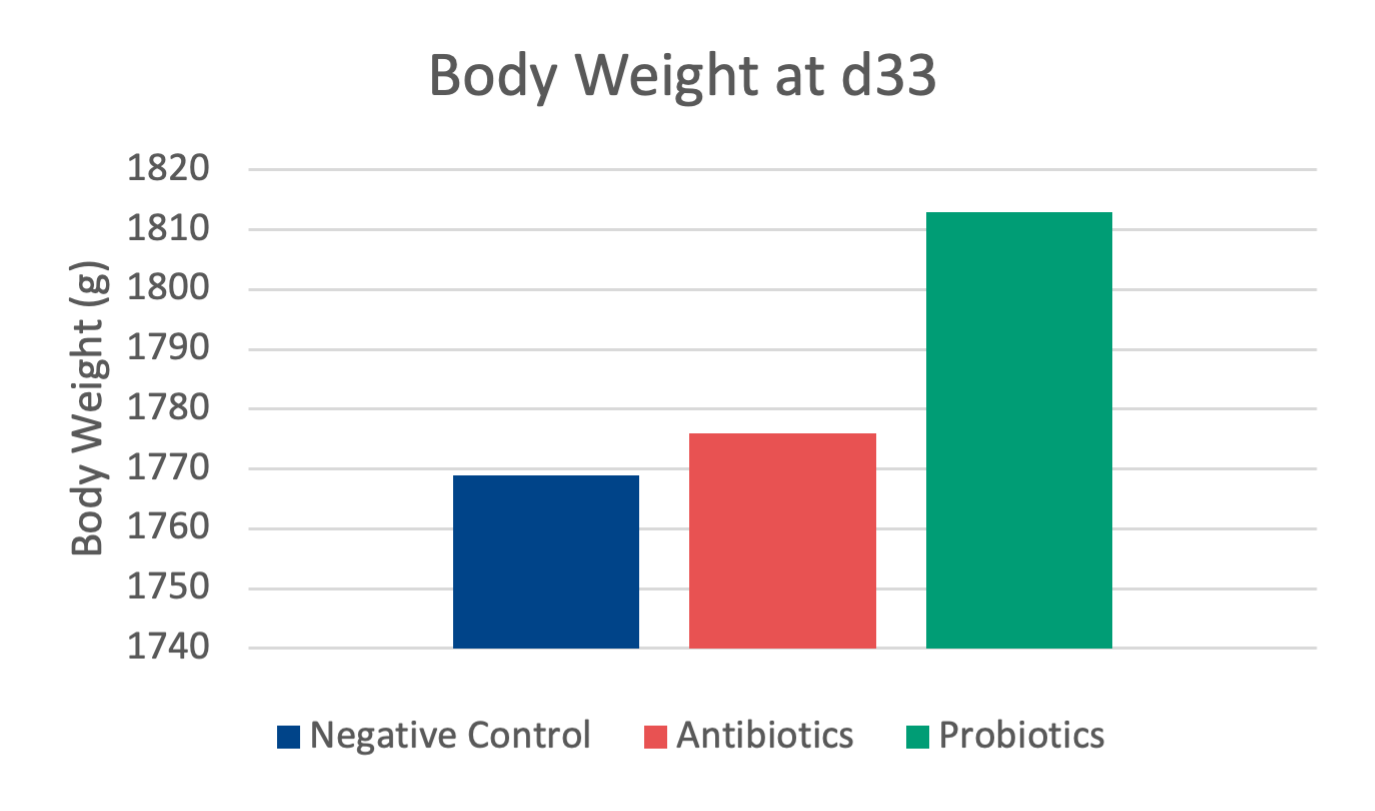
Figure 1. Body weight of broilers at 33 days of age.

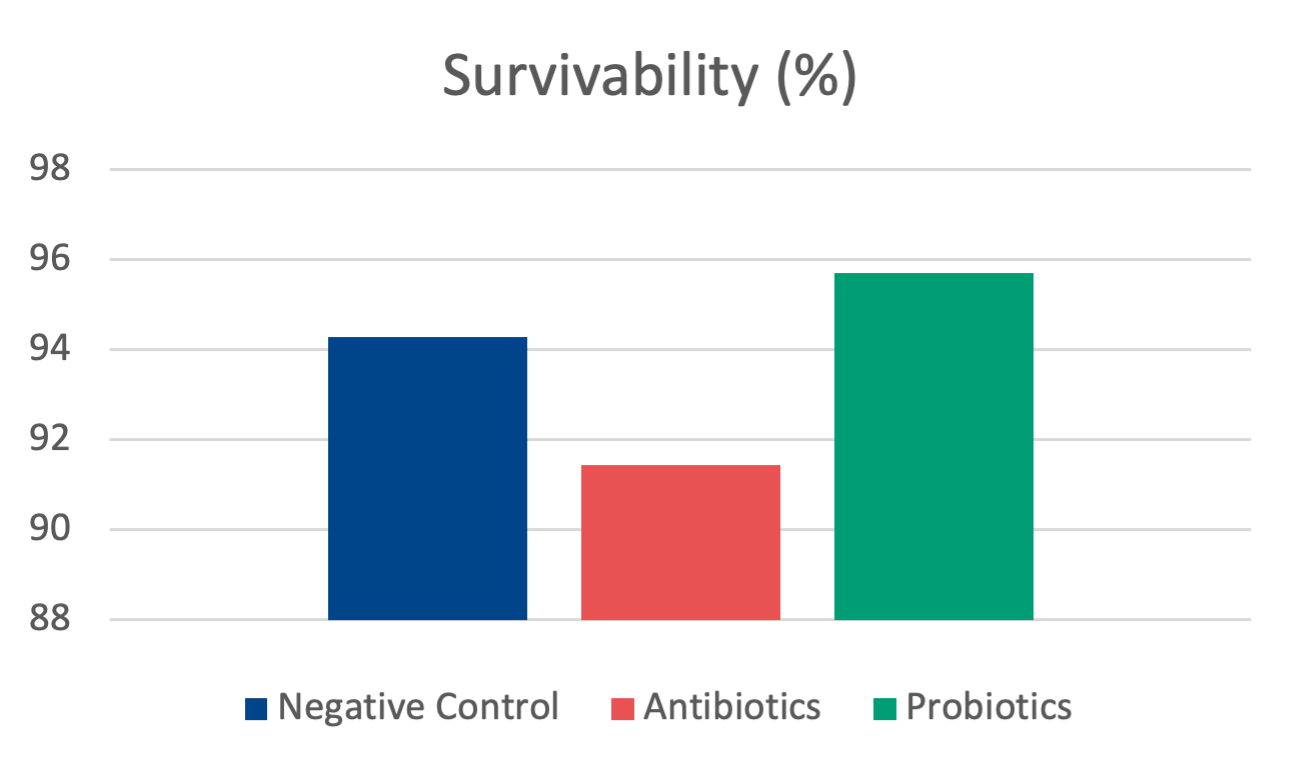
Figure 2. Survivability of broilers for the overall rearing period.

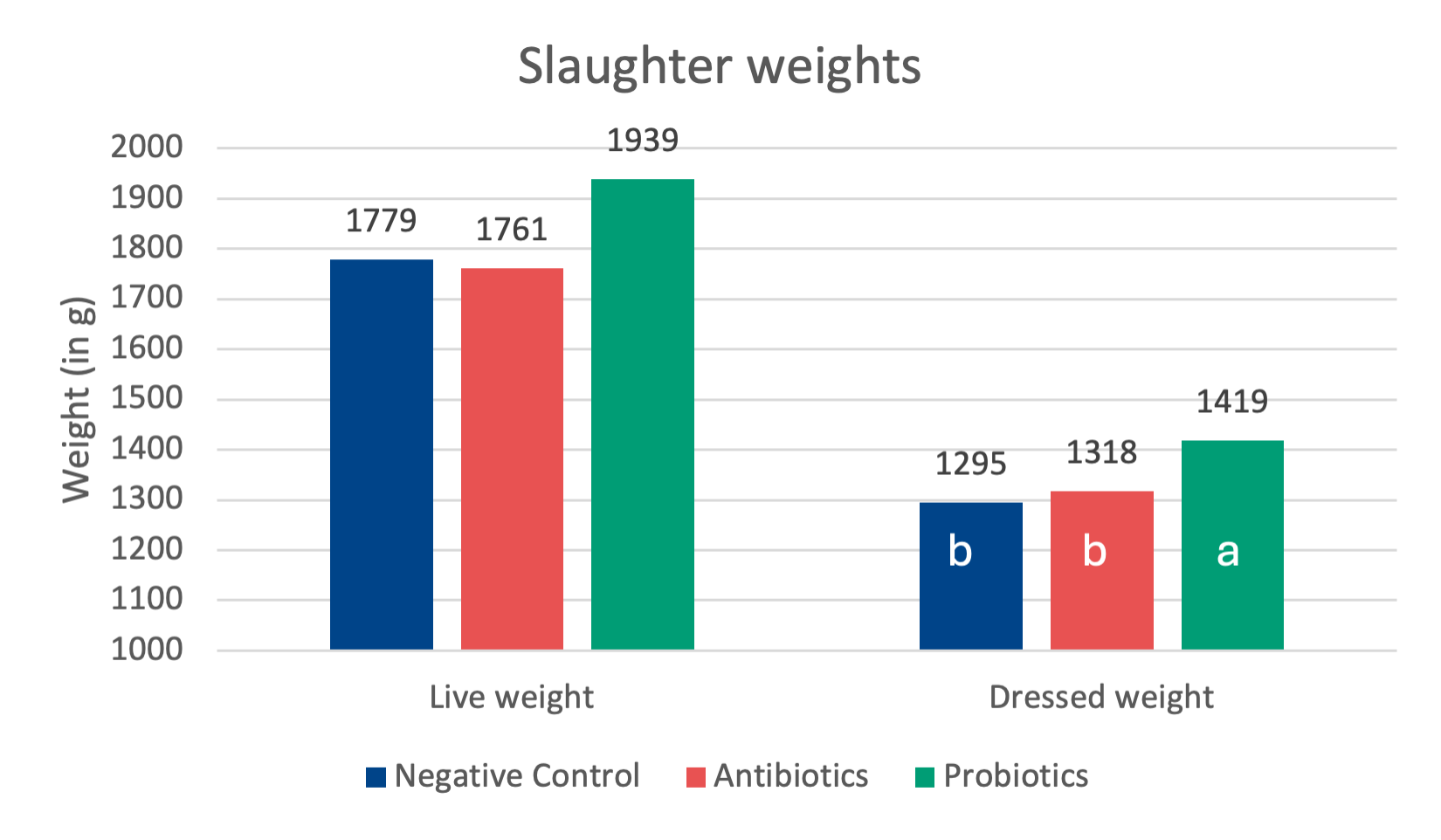
Figure 3. Live weight before laughter (left) and dressed weight (right) at the end of rearing. a,bTreatments with different superscripts differ significantly at P < 0.05.

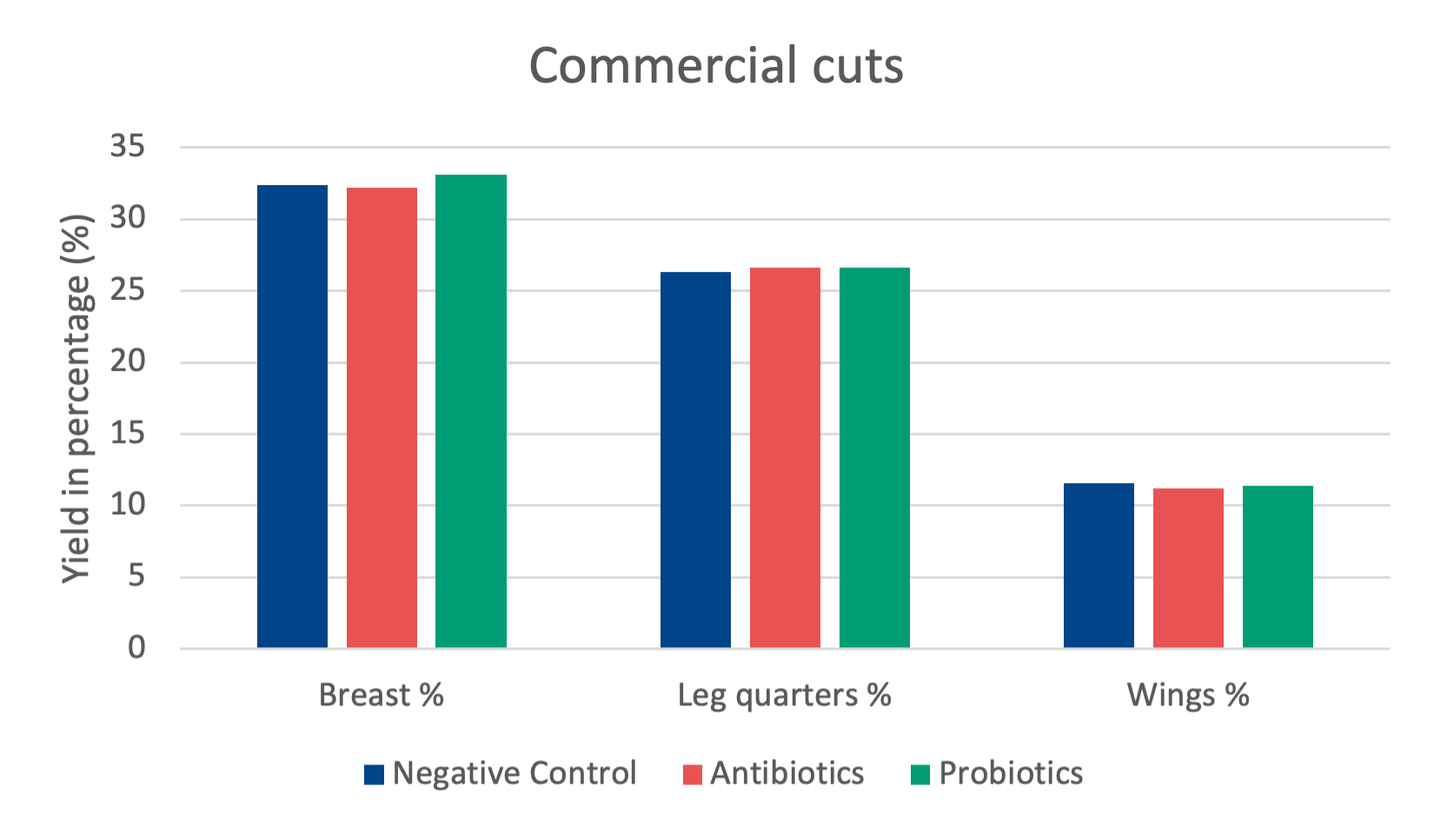
Figure 4. Yield of the different commercial cuts.
Following the encouraging results in broilers, a second study was recently conducted at a commercial farm in Batangas, Philippines (in collaboration with Bright Side Consulting) to assess the same probiotic blend in layers.
A total of 1080 hens (Lohmann genetics) were housed in cages in an open housing facility. The hens were 90 weeks of age at the start of the trial and were given an adaptation period of 3 weeks to the respective treatment diets before performance was evaluated for a period of 10 weeks (93 to 102 weeks of age). There were 3 treatments in total, each with 10 replicates: A control group where birds were fed a standard mash layer diet, and two groups where birds were fed the control diet supplemented either with zinc bacitracin at 500 ppm or with the Bacillus probiotic blend at 500 ppm (resulting in a total probiotic count of 5×10⁸ CFU/kg feed).
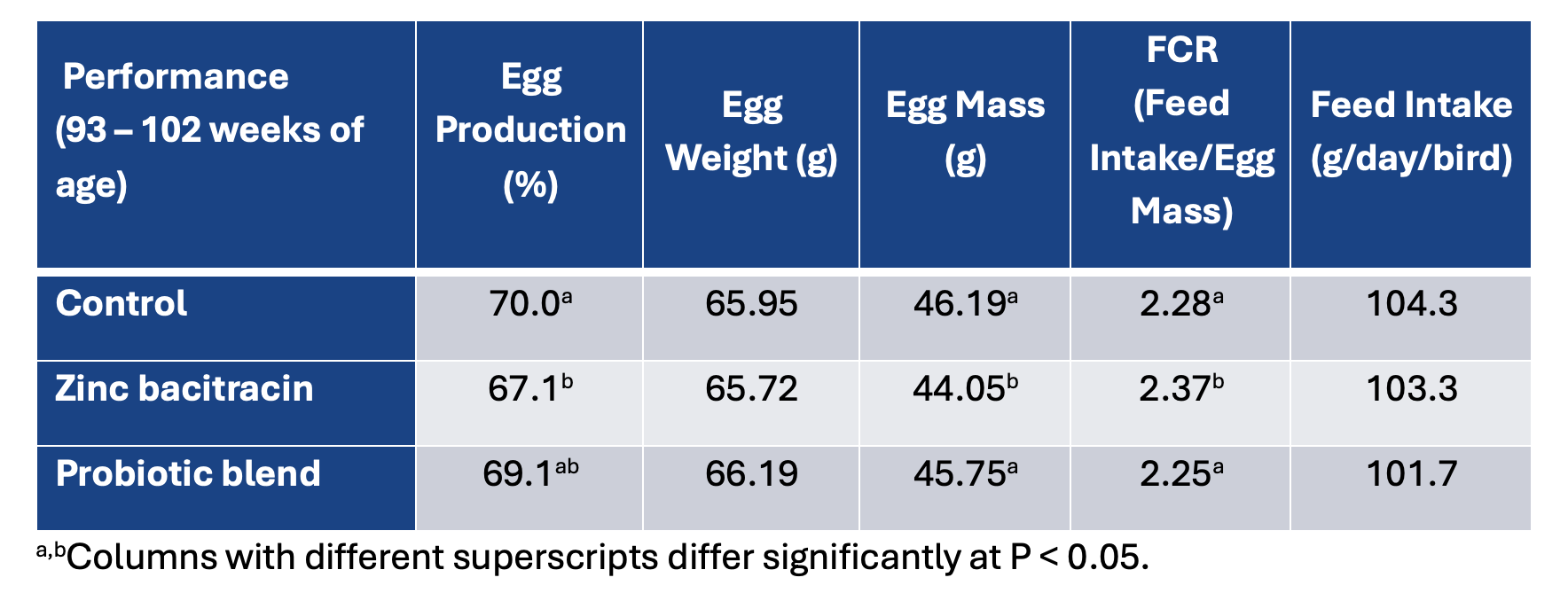
Overall, for the 10-week experimental period, the hens supplemented with zinc bacitracin had a significantly lower egg production and egg mass, and a higher FCR than the control and probiotic-fed hens (Table 1). Hens supplemented with the probiotic blend had numerically the lowest feed intake, however, the birds maintained similar productivity to the control group.
Table 1. Overall performance results of layers during the 10-week experimental period. Different superscripts indicate a significant difference with P < 0.05.

For the weekly production data (Figure 5), egg production and FCR significantly differed at week 8, with lowest egg production and worst FCR shown for the layers supplemented with zinc bacitracin. Layers supplemented with the probiotic blend had numerically the highest egg production and best FCR.

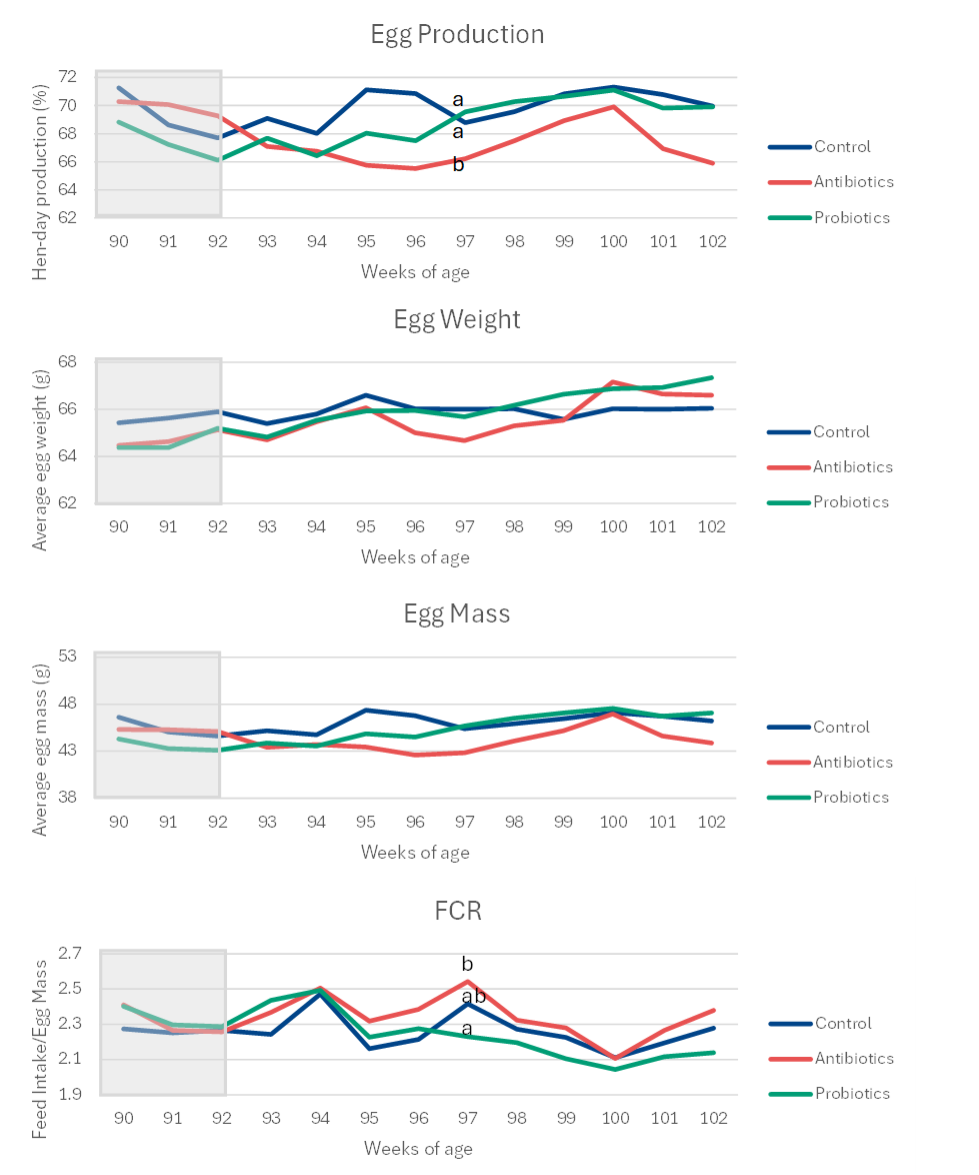
Figure 5. Weekly performance results of the layers from 90 to 102 weeks of age. a,bTreatments with different superscripts differ significantly at P < 0.05.
The results of both the layer and broiler studies show that replacing antibiotics such as zinc bacitracin with the probiotic blend in feeds of broilers and old layers does not negatively impact productive performance and may even support a higher economic return through higher slaughter yield and egg production.
There is a global trend to reduce or restrict the use of in-feed antimicrobials in animal production. The poultry industry faces many difficulties in maintaining optimal health and performance of animals without antimicrobial usage. However, natural feed additives such as probiotics are among the promising approaches to promote a more sustainable and healthy poultry production.