


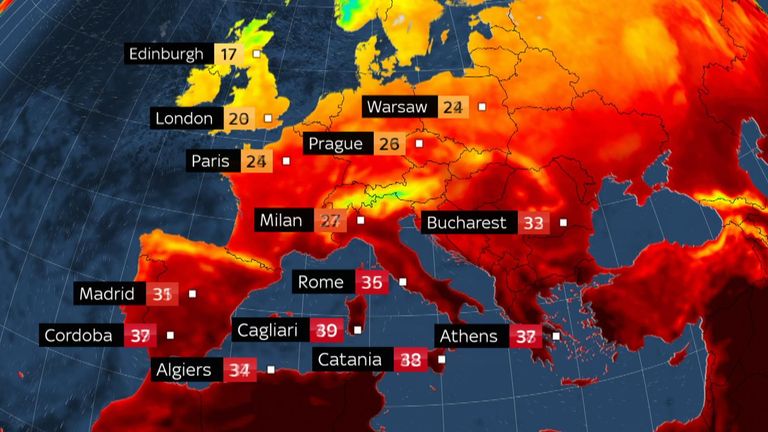
As Europe grapples with one of the most intense heatwaves in recent history, the soaring temperatures are doing far more than making headlines. Across the continent, the relentless heat is disrupting agriculture, straining energy systems, fueling wildfires and placing unprecedented pressure on livestock production. For the poultry industry, the consequences are immediate and measurable.
Although the epicenter of this crisis lies thousands of kilometers away from South Asia, its effects are unlikely to remain confined to Europe. Modern poultry production is closely connected through global trade in feed ingredients, breeding stock, processing technology, equipment, vaccines and market dynamics. What begins as an extreme weather event in Europe can quickly influence production costs, commodity prices and food security across the world.
For poultry producers, processors and allied industries, the European heatwave offers both a warning and an opportunity to rethink climate resilience.

A heatwave beyond normal summer conditions
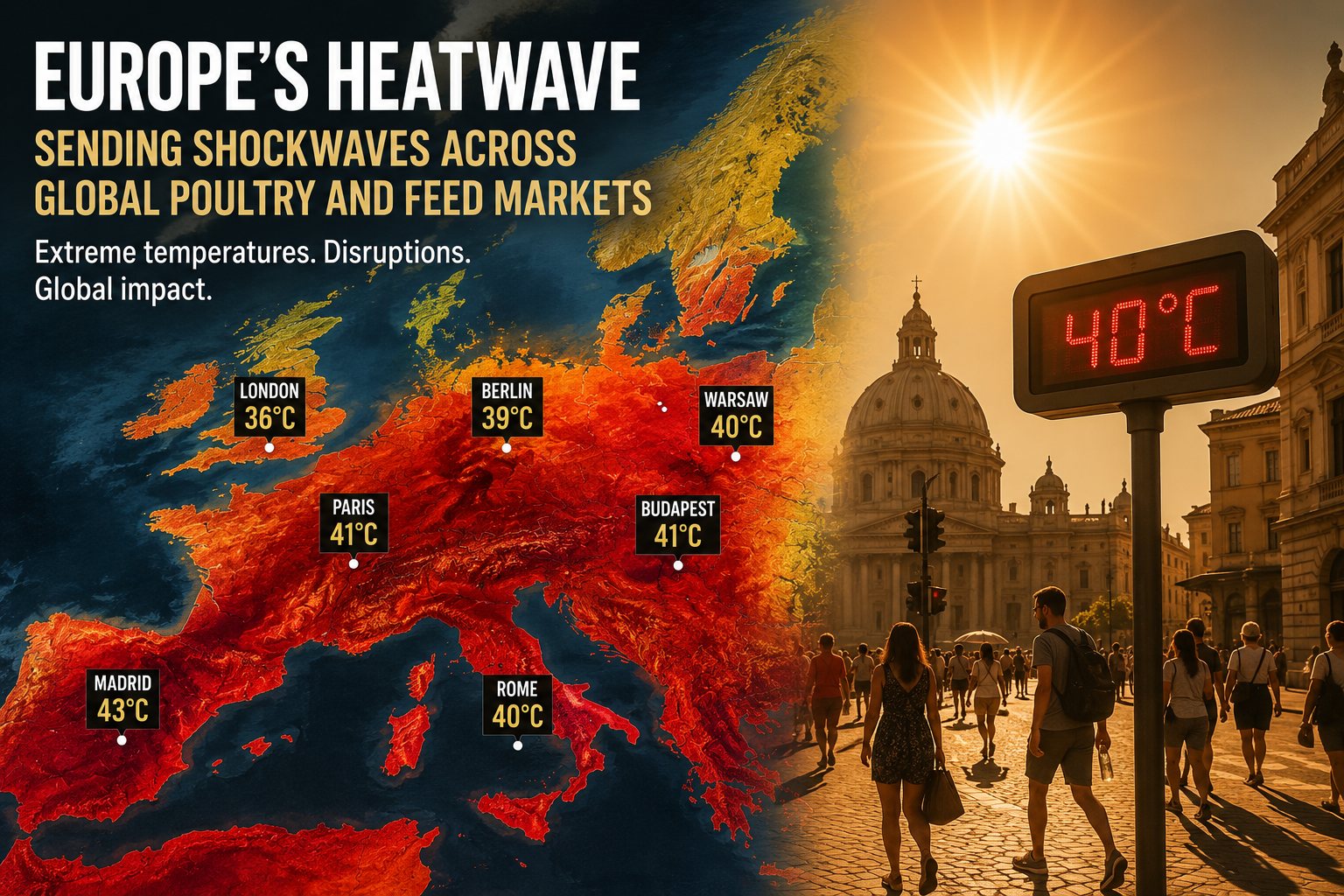
Large parts of southern, western and central Europe have experienced temperatures exceeding 40°C, with several regions recording values well above their long-term seasonal averages. Authorities in multiple countries have issued heat alerts as hospitals report rising cases of heat-related illness, while transport networks, power systems and agricultural operations struggle under prolonged high temperatures.
Meteorologists attribute the event to a persistent high-pressure system, commonly referred to as an ‘Omega Block’. This weather pattern traps hot air over the continent, preventing cooler Atlantic air from moving inland. At the same time, hot, dry air flowing northward from the Sahara has intensified temperatures across much of Europe.
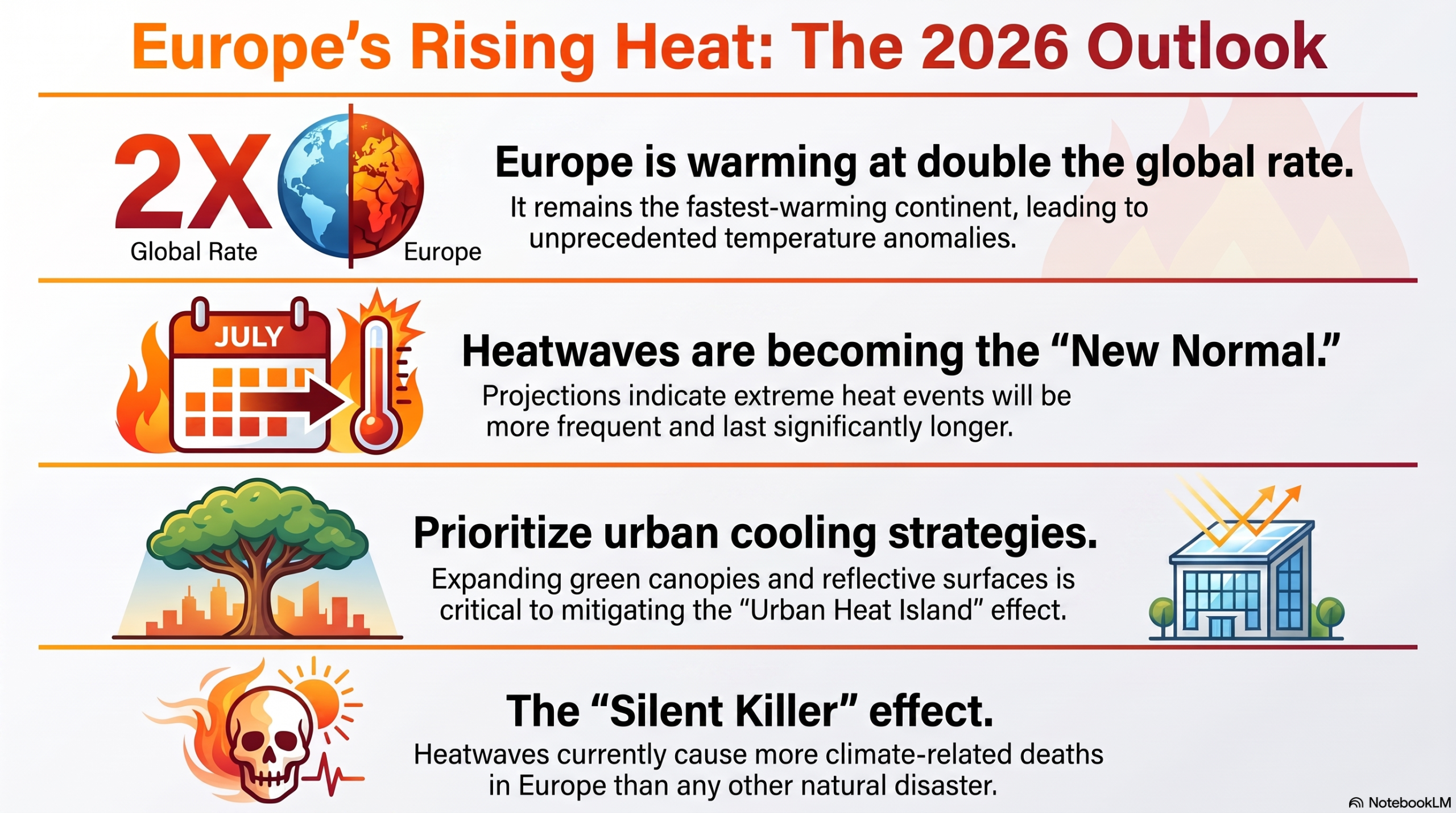
Scientists also point to the broader influence of climate change. Europe has warmed faster than many other regions over recent decades, increasing both the frequency and intensity of extreme heat events. While no single weather event can be attributed solely to climate change, rising global temperatures are making severe heatwaves more likely.

Poultry feel the heat first
Among all farm animals, poultry are particularly vulnerable to heat stress. Unlike mammals, birds do not sweat. Their ability to regulate body temperature depends mainly on panting, reducing activity and increasing water intake. When ambient temperatures remain high for prolonged periods, these natural cooling mechanisms become insufficient.
The consequences are well known to poultry producers:
- Reduced feed consumption
- Slower weight gain in broilers
- Lower egg production
- Declining shell quality
- Poor fertility and hatchability in breeder flocks
- Increased mortality during peak heat periods
Even when mortality remains low, productivity losses can significantly reduce farm profitability. Heat stress also suppresses immunity, leaving birds more susceptible to secondary infections and reducing overall flock performance. This creates additional pressure on farm management and veterinary services during the summer months.
Rising production costs
Keeping poultry houses cool during extreme weather requires substantial energy. Modern European poultry farms increasingly rely on tunnel ventilation, evaporative cooling systems, circulation fans and automated environmental controls. During prolonged heatwaves, these systems operate almost continuously, pushing electricity consumption sharply higher.
At the same time, electricity demand from homes, offices and industries also rises as air-conditioning use increases. Higher energy prices inevitably increase production costs for poultry farmers, hatcheries, feed mills and processing plants.
Water demand also climbs significantly. Birds consume considerably more water during hot weather, while cooling systems require additional supplies. In regions already experiencing drought conditions, competition for water becomes another operational challenge.
Feed markets face fresh uncertainty
The poultry industry’s dependence on cereals and oilseeds means that extreme weather rarely affects livestock alone. High temperatures and limited rainfall can reduce yields of corn, wheat, soybean and other feed crops. Europe is a major producer of cereals, and any decline in production can tighten global supplies, particularly if adverse weather affects multiple agricultural regions simultaneously.
Feed accounts for the largest share of poultry production costs. Even modest increases in grain prices can significantly affect farm economics, especially in countries that depend on imported feed ingredients. For Asian producers, the impact may not be immediate, but international commodity markets respond quickly to production risks. Volatility in grain prices often translates into higher feed costs months later.
Processing plants under pressure
Extreme heat affects every stage of the poultry value chain. Transporting live birds becomes more challenging when temperatures remain exceptionally high. Heat stress during transport can increase mortality and reduce carcass quality.
Processing facilities must also invest more heavily in refrigeration, chilled water systems and worker safety measures. Maintaining product quality while ensuring employee welfare becomes increasingly demanding as outside temperatures rise. Cold-chain logistics consume additional electricity, adding further pressure to operating costs.
Consumer markets may also change
Heatwaves influence consumer behavior as well. Demand patterns often shift towards lighter meals, processed poultry products and ready-to-cook foods. At the same time, tourism, outdoor dining and seasonal festivals can increase poultry consumption in some regions.
Retailers may also face higher refrigeration expenses, while disruptions in supply chains can create temporary shortages or price fluctuations. The combined effect is a more volatile market where producers and processors must respond rapidly to changing conditions.
Why this matters to India and South Asia
For India and neighbouring countries, the European heatwave should not be viewed as a distant problem. South Asia is already familiar with prolonged periods of extreme heat. In many parts of the region, poultry producers regularly face temperatures that exceed 40°C during the summer months.
The European experience reinforces several important lessons. Key adaptation takeaways for South Asian producers:
- Investment in environmentally controlled housing is becoming increasingly important, particularly for large commercial operations.
- Water conservation should be integrated into farm planning, including storage capacity and efficient distribution systems.
- Nutrition strategies must adapt to seasonal stress by maintaining electrolyte balance, supporting gut health and sustaining feed intake during periods of high temperature.
- Breeding programs will also need to place greater emphasis on heat tolerance alongside productivity.
Perhaps most importantly, climate resilience should become a core business strategy rather than an emergency response.
Preparing for a hotter future
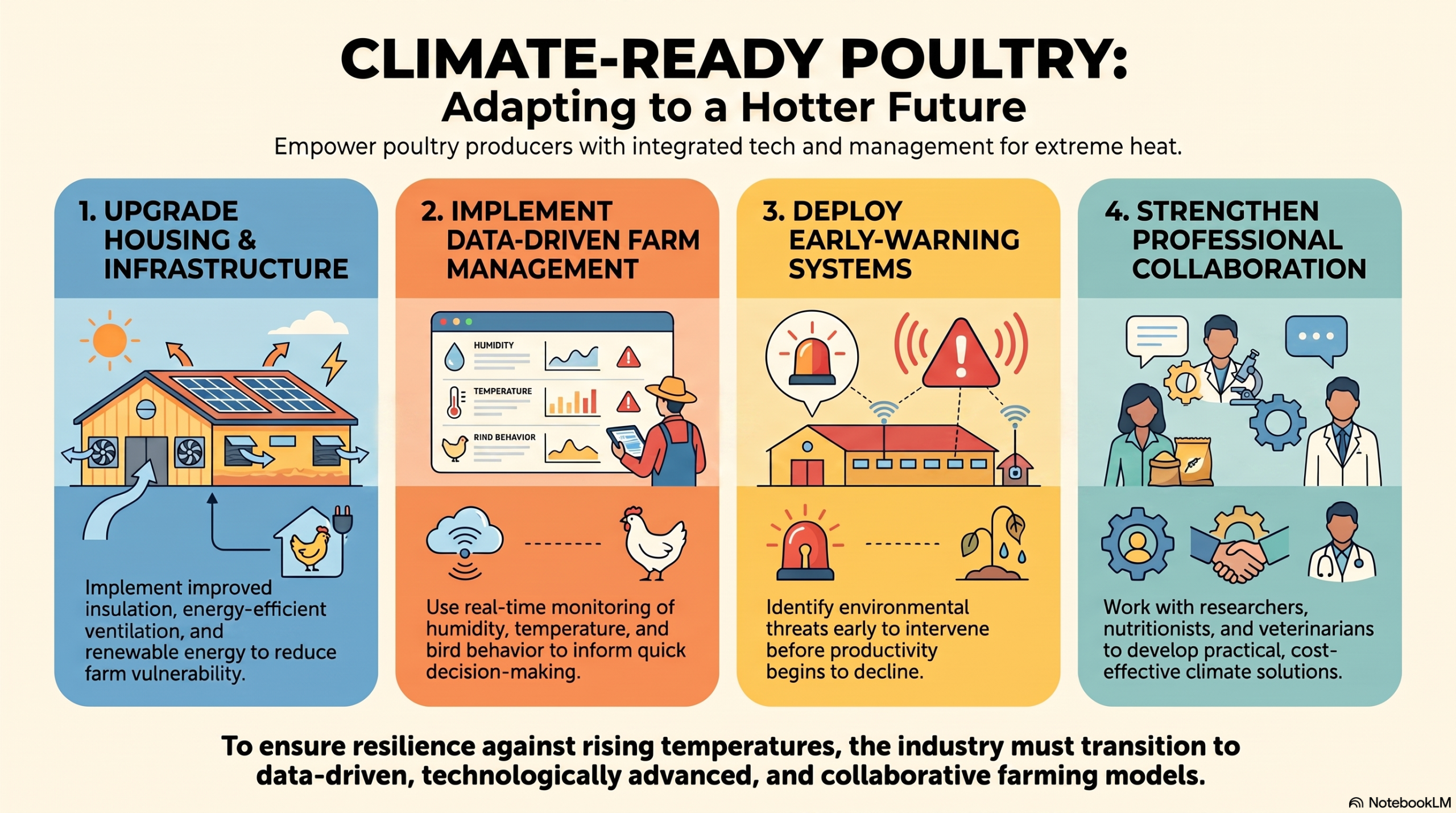
Climate experts expect extreme weather events to become more frequent in many parts of the world. For poultry producers, adaptation will require both technological and management solutions. Improved housing design, better insulation, energy-efficient ventilation, precision environmental monitoring, renewable energy integration and enhanced early-warning systems can all reduce vulnerability.
Data-driven farm management will play an increasingly important role. Real-time monitoring of temperature, humidity, ventilation performance and bird behaviour enables quicker intervention before productivity begins to decline. The industry must also strengthen collaboration between researchers, nutritionists, veterinarians, equipment manufacturers and policymakers to develop practical, cost-effective solutions.
A wake-up call for the global poultry industry
Europe’s current heatwave is more than an isolated weather event. It illustrates how climate extremes can ripple through modern food systems, affecting production, trade, prices and food security far beyond the regions directly experiencing high temperatures.
The poultry industry has consistently demonstrated its ability to adapt to disease outbreaks, market fluctuations and supply-chain disruptions. Climate resilience now deserves equal attention. For producers in India and across Asia, the message is clear. Investing in heat-resilient production systems today is likely to prove far less expensive than absorbing the losses caused by increasingly frequent climate extremes tomorrow.
The European heatwave serves as a reminder that climate is no longer a background variable in poultry production. It has become a defining business risk—one that demands planning, innovation and decisive action if the global poultry sector is to remain productive, competitive and sustainable in the decades ahead.