


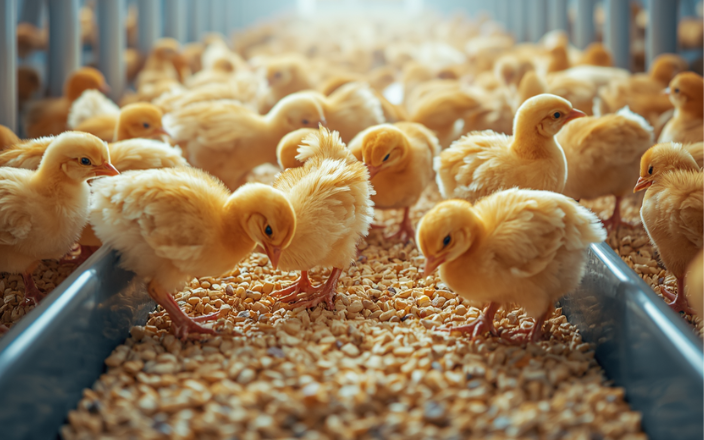
Poultry nutrition in hatcheries is a cornerstone of modern production. The early feeding strategies applied to chicks directly influence their growth, health, and long-term productivity. Hatcheries are not only responsible for incubation and hatching but also for ensuring that chicks receive the right nutritional support during their first hours of life. This stage is critical because it sets the foundation for flock performance.
Importance of Early Nutrition
- The first 48 hours after hatching are decisive for chick development.
- During this period, chicks rely on residual yolk reserves for energy and immunity.
- However, immediate access to balanced feed and water enhances their survival rates and reduces stress.
- Proper nutrition at this stage supports organ development, boosts immunity, and improves weight gain.
Nutritional Components in Hatcheries
- Proteins: Essential for muscle and tissue growth. High-quality protein sources ensure rapid development.
- Carbohydrates: Provide energy for thermoregulation and activity. Easily digestible carbohydrates are preferred.
- Lipids: Support energy metabolism and absorption of fat-soluble vitamins.
- Vitamins and Minerals: Vital for bone formation, enzyme activity, and immune function. Vitamin A, D, E, and minerals like calcium and phosphorus are particularly important.
- Water: Often overlooked, but hydration is crucial for digestion and metabolic processes.
Feeding Strategies
Modern hatcheries employ several feeding strategies to optimize chick health:
- Pre-starter diets: Specially formulated feeds rich in digestible nutrients to bridge the gap between yolk absorption and independent feeding.
- Gel nutrition supplements: Hydrated gels containing proteins, vitamins, and electrolytes are provided during transport to reduce dehydration.
- Early access feeding systems: Automated feeders ensure chicks consume feed immediately after hatching, minimizing delays.
Challenges in Hatchery Nutrition
Despite advancements, hatcheries face challenges such as:
- Transport stress: Long journeys can delay access to feed and water.
- Uniformity issues: Not all chicks consume equal amounts of nutrients, leading to uneven growth.
- Biosecurity concerns: Nutritional supplements must be handled carefully to avoid contamination.
Impact on Poultry Industry
Effective hatchery nutrition translates into stronger, healthier flocks with better feed conversion ratios. This reduces mortality, enhances productivity, and ensures economic sustainability for poultry producers. In competitive markets, hatcheries that prioritize nutrition gain a significant advantage.
Conclusion
Poultry nutrition in hatcheries is more than just feeding chicks—it is about shaping the future of poultry production. By focusing on early dietary strategies, hatcheries can ensure robust growth, improved immunity, and long-term efficiency in poultry farming.
Sources: Available upon request