


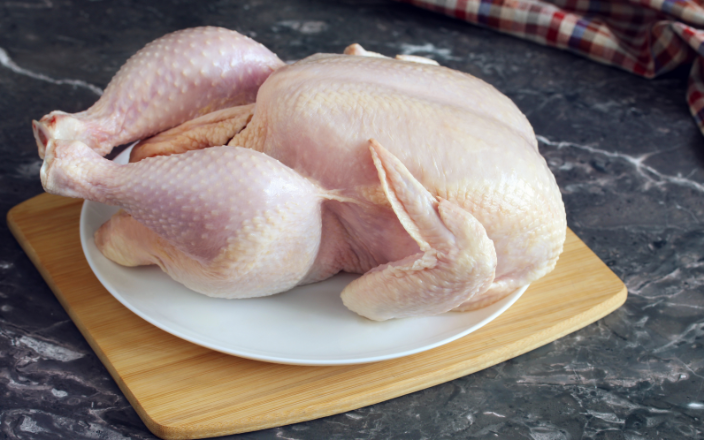
Improving carcass quality in broilers has become a central goal in poultry breeding programs, driven by consumer demand for better texture, color, and water-holding capacity. Selection strategies focus on enhancing breast meat yield while reducing undesirable traits such as excessive fat deposition. Studies demonstrate that genetic selection not only influences yield but also alters fundamental meat quality parameters, making genetic evaluation essential for sustainable progress1.
Effects of Selection on Meat Traits
When chickens are bred to grow bigger and produce more breast meat, their meat quality also changes. For example, these birds lose less water after slaughter, which makes the meat juicier and better for storage. On the other hand, the meat often looks paler, with less red and yellow tones. This shows that while breeding can improve some qualities, it may also change others, so breeders need to strike a careful balance1.
Genetic Parameters and Heritability
Research shows that many meat quality traits are strongly influenced by genetics. In simple terms, this means that these traits can be passed down from one generation to the next. For instance, meat color and water‑holding ability are highly heritable, so selective breeding can make lasting improvements. However, some traits are linked in ways that create trade‑offs: improving one may negatively affect another. For example, meat that holds more water often looks paler, which may not be ideal for consumers.
Implications for Breeding Programs
The findings emphasize that carcass quality traits should be integrated into breeding goals alongside growth and yield. Genomic tools such as marker-assisted selection (MAS) and genomic selection (GS) provide opportunities to refine these programs by targeting specific loci associated with meat quality. However, breeders must consider consumer preferences, as paler meat may be less desirable in some markets despite improved water-holding capacity. Balancing yield, quality, and welfare remains a challenge for modern poultry genetics2.
Conclusion
Selection for increased carcass quality in broilers demonstrates clear genetic control over traits such as pHu, drip loss, and color. With heritability estimates confirming strong genetic influence, breeding programs can reliably improve meat quality. Yet, correlations between traits highlight the importance of multi-trait selection strategies to avoid unintended consequences. Future advances in genomic selection and functional genomics promise more precise improvements, ensuring that poultry production meets both industry and consumer expectations.
Sources: