


Content available at: Tiếng Việt (Vietnamese)
Vietnam’s tax authority has issued new guidance on how household businesses should handle tax obligations when buying, slaughtering, and selling livestock and poultry.
Under the guidance, purchasing animals from external suppliers for slaughter and resale is not treated as selling self-produced agricultural products. Instead, these activities are classified as commercial trading. As a result, tax obligations are determined according to the rules that apply to trading businesses rather than farming operations.
Household business seeks clarity
A Hanoi household business recently asked the tax office to explain its obligations. The business buys pigs and chickens from farmers, slaughters them, and sells fresh meat to restaurants and vendors. It argued that live animals are unprocessed products exempt from VAT.
However, it questioned whether selling fresh meat after slaughter would trigger VAT or only personal income tax (PIT) at 0.5% of revenue. The business also asked if basic processing, such as cutting or salting, would require VAT at 1% of revenue. Finally, it sought clarification on whether raising its own animals before slaughter would qualify for VAT and PIT exemptions.
Self-raised livestock exempt from VAT
According to Hanoi Tax Office No. 12, Vietnam’s Law on Value-Added Tax No. 48/2024/QH15 exempts livestock products produced and sold directly by farmers or household businesses.
The exemption applies as long as the products undergo only basic processing. This includes:
- Cleaning;
- Refrigerated storage;
- Drying;
- Cutting or portioning;
- Deboning;
- Chopping or skin removal;
- Salting; and
- Other standard preservation methods.
These provisions are further detailed in Government Decree No. 181/2025.
Livestock subject to 1% VAT
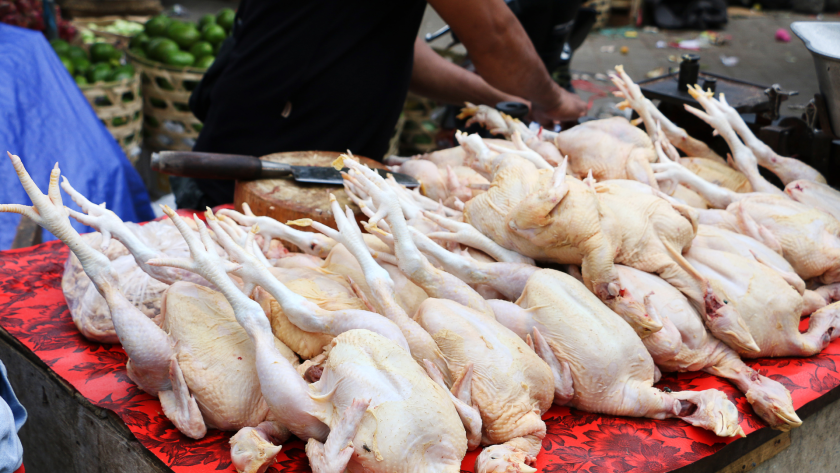
Under current regulations, household businesses that buy animals from external suppliers, slaughter them, and sell fresh meat are treated differently. These activities are classified as commercial trading rather than self-production.
Under the direct taxation method, such businesses must pay VAT at 1% of revenue. PIT obligations are determined separately under Circular No. 40/2021 issued by the Ministry of Finance.
Key distinction emphasized
For household businesses raising their own livestock, VAT exemptions remain valid if the products undergo only basic processing. PIT, however, depends on business model, annual revenue, and other applicable tax regulations governing household and individual businesses.
Hanoi Tax Office advises household businesses to carefully review the Law on Value-Added Tax, its implementing decrees, and Circular No. 40/2021. The authority stressed that the critical factor is whether the livestock is self-produced or purchased for resale, as this distinction determines whether VAT applies.