


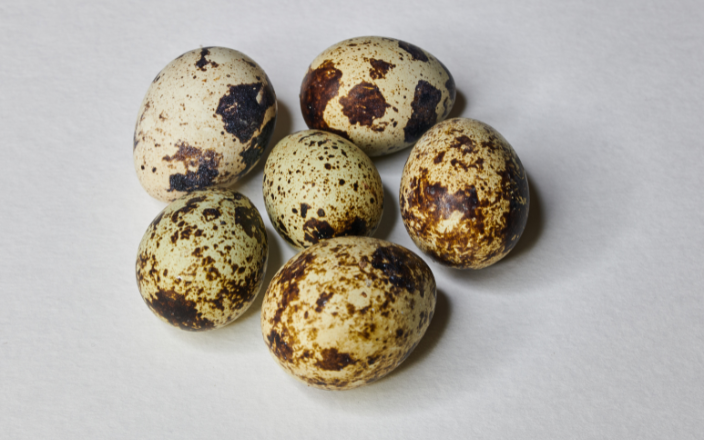
Introduction to Quail Hatcheries
Quail hatcheries play a crucial role in the production of healthy and productive birds for meat and egg purposes. A hatchery in quails refers to the controlled process of incubating quail eggs to achieve successful hatching rates. Compared to other poultry species, quails have a shorter incubation period and require specific environmental conditions to ensure optimal embryo development. Proper hatchery management directly influences chick quality, survival rate, and overall farm profitability.
Selection and Handling of Hatching Eggs
- The success of a quail hatchery begins with the selection of quality hatching eggs.
- Eggs should be collected from healthy breeder quails that are between 8 and 24 weeks of age, as fertility and hatchability are highest during this period.
- Eggs must be clean, uniform in size, and free from cracks or deformities.
- After collection, eggs should be stored at a temperature of 15–18°C with moderate humidity and set in the incubator within seven days to maintain embryo viability.
Incubation Process and Conditions
Quail eggs typically require an incubation period of 16 to 18 days. During incubation, temperature and humidity must be carefully controlled. The recommended temperature is approximately 37.5°C, while relative humidity should remain between 55% and 60% during the first two weeks. Eggs should be turned at least three to five times daily to prevent the embryo from sticking to the shell membrane. During the final days before hatching, turning is stopped and humidity is increased to facilitate shell breaking.
Hatching and Chick Quail Care
- As hatching begins, close monitoring is essential to avoid stress on the emerging chicks.
- Newly hatched quail chicks are delicate and require immediate transfer to a clean, warm brooder.
- The brooder temperature should initially be around 35°C and gradually reduced as chicks grow.
- Adequate ventilation, clean water, and high‑quality starter feed with sufficient protein content are essential for early growth and immunity.
Hygiene and Biosecurity Measures
Maintaining strict hygiene in the quail hatchery is vital to prevent disease outbreaks. Incubators, trays, and equipment must be thoroughly cleaned and disinfected after each hatch. Access to the hatchery should be limited, and biosecurity protocols such as footbaths and protective clothing should be enforced. These measures help ensure healthy chick production and reduce economic losses.
Conclusion
Efficient hatchery management in quails requires careful attention to egg quality, incubation conditions, chick care, and biosecurity. When these factors are properly controlled, quail hatcheries can produce strong, uniform chicks that support sustainable poultry production and improved farm performance.
Sources: Available upon request