


Content available at:
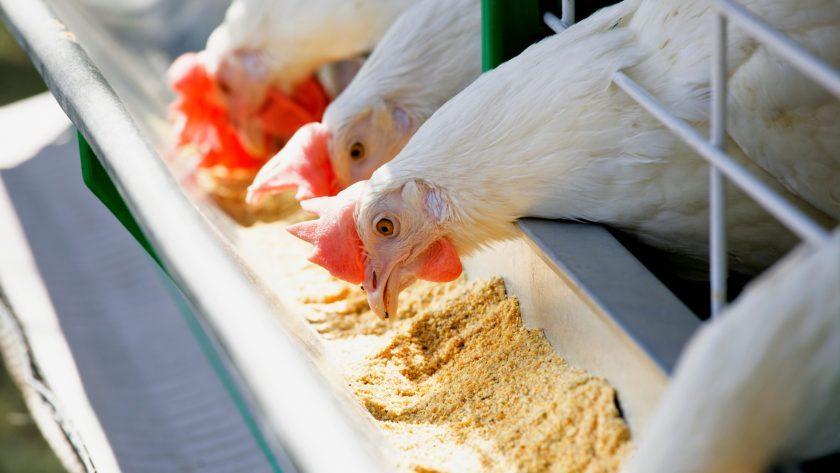
Vietnam’s poultry industry continues to grow steadily, but high feed costs—accounting for 65–70% of production costs—are pushing up meat and egg prices and weakening competitiveness.
Growth trends and cost challenges
Do Van Hoan, Deputy Head of the Livestock Breeds Division at the Department of Livestock Production and Veterinary Services of the Ministry of Agriculture and Rural Development, noted growth trends in the poultry industry.
Between 2020 and 2024:
- Poultry inventory grew from 512.7 million to 584.4 million birds.
- Meat output reached 2.46 million tons.
- Egg production hit 20.44 billion units.
These translate to average annual growth of 3.3%, 6.9%, and 5.1%, respectively, highlighting the sector’s role in food security, protein supply, and export development and expansion.
However, feed costs remain the greatest obstacle. Heavy dependence on imported ingredients such as corn, soybean meal, and fishmeal cause sharp feed price fluctuations, squeezing farmers’ profit margins.
Technology and nutrition strategies
At the forum on ‘Solutions to reduce livestock production costs and stabilize domestic and export meat supply’ held on October 7, multiple strategies were proposed to cut costs, boost productivity, and strengthen biosecurity:
- Replace antibiotics with vaccines and biological products.
- Tailor feed to growth stages and environmental conditions.
- Focus on “accurate, sufficient, and timely” nutrition to optimize poultry development and reduce waste.
Breeding innovation and sustainable development
In recent years, the poultry sector has applied Industry 4.0 and biotechnology in breeding and farm management. Key efforts include:
- Selective breeding and hybridization.
- Preservation of indigenous breeds like Ho, Ri, and Mia chickens, laying the foundation for sustainable development and product diversification.
Furthermore, ongoing improvements in institutional frameworks and breeding management policies have strengthened genetic quality control, reduced disease risks, and enhanced productivity across the supply chain.
Pathways to sustainability
Forum participants agreed that in the face of rising input costs and market volatility, shifting to concentrated farming, applying biotechnology, strengthening value chain management, and implementing traceability systems are essential.
Besides reducing costs, these measures help stabilize meat and egg supply, improve quality, and meet export standards.
With continued innovation, Vietnam’s poultry sector is poised for sustainable, competitive growth in domestic and international markets.