


The poultry industry faces pressure to eliminate antibiotics due to antimicrobial resistance and consumer demand for safer food. Alternatives must be effective and affordable.
Hydrolyzable tannins (HTs) are plant-derived compounds that release gallic and ellagic acids. These metabolites provide antimicrobial, antioxidant, and gut-modulatory benefits in poultry diets.
Scope of the review
Thai researchers conducted a systematic review of studies published between 2020 and 2024.
Twenty-one studies met strict inclusion criteria. These studies investigated 24 Thai plant species, focusing on HT content, biological activity, and economic feasibility.
Plant parts studied included leaves, bark, roots, fruits, rhizomes, peels, and flowers. Leaves were the most common source of tannins.
Biological activities
HT-rich extracts showed diverse biological effects:
- Antimicrobial activity against 19 pathogenic bacterial species.
- Antioxidant properties that may reduce oxidative stress in poultry.
- Gut health modulation by promoting beneficial microbes.
- Anti-inflammatory effects in some species.
- Antiparasitic activity, such as inhibition of Eimeria sporulation.
Pathogens most frequently inhibited included Escherichia coli and Staphylococcus aureus. Other targets were Pseudomonas aeruginosa, Salmonella typhimurium, and Listeria monocytogenes.
Beneficial microbes enhanced included Lactobacillus plantarum, Lactobacillus casei, and Faecalibacterium prausnitzii. These microbes support gut balance and immune function.
Economic feasibility
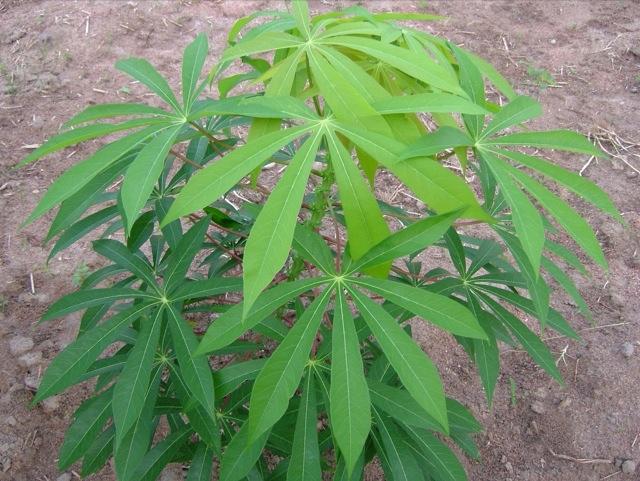
Plants were scored for yield and cost-effectiveness. Cassava and Siamese cassia achieved the highest combined scores.
- Cassava leaves are abundant by-products, widely accessible, and inexpensive.
- Siamese cassia leaves contain high tannin levels but require labor-intensive harvesting.
Moderate candidates included Noni, Shorea, Wild turmeric, and Bushwillows. These plants showed useful activity but faced challenges in yield or primary use.
Implications
Thai HT-rich plants could reduce reliance on imported tannins from chestnut and quebracho. They offer antimicrobial and gut-modulatory benefits while lowering feed costs.
Standardized extraction methods and large-scale in vivo trials remain necessary. These steps will confirm efficacy, optimize dosage, and ensure safety in poultry feed.
The review provides a framework for Thailand and other tropical countries seeking sustainable, locally sourced feed additives.