


Content available at:
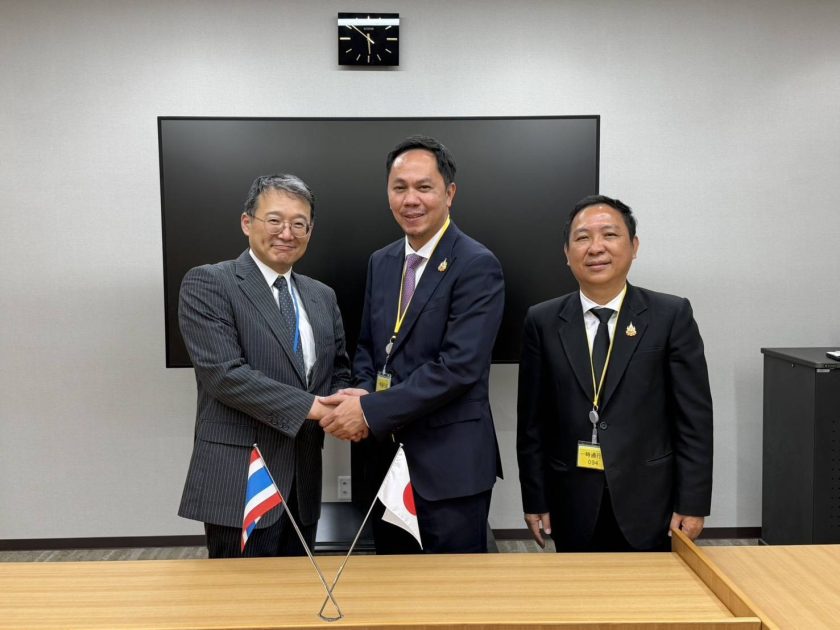
Thailand and Japan have strengthened cooperation in the livestock sector, with a particular focus on the poultry trade.
Japan has agreed in principle to recognize Thailand’s avian influenza (AI) zoning/regionalization system, a significant step that could help ensure uninterrupted exports of Thai poultry products even if outbreaks occur in limited areas.
Sorawut Nuangchamnong, Secretary to the Minister of Agriculture and Cooperatives, together with Dr Somchuan Ratanamangkalanon, Director General of the Department of Livestock Development, led a delegation to Tokyo for discussions with Japan’s Ministry of Agriculture, Forestry and Fisheries.
Strong confidence in Thai poultry
Japan remains one of Thailand’s most important poultry export markets. In 2025, Thailand exported poultry meat and poultry products worth approximately USD 1.93 billion, reflecting strong Japanese consumer confidence in Thai food safety standards, product quality, and disease-control systems.
Exports of pet food to Japan were valued at around USD 410 million, while processed meat products and fresh eggs also continued to gain market access, underscoring the two countries’ role as key partners in regional food security.
New opportunities for poultry by-products
Thailand also proposed market access for poultry by-products meal (PBM) and feather meal, which Japan is interested in using as raw materials for animal feed production.
If approved, the initiative could create additional value for Thailand’s poultry industry while maximizing resource utilization throughout the production chain.
Expanding export opportunities
The Department of Livestock Development reaffirmed its commitment to enhancing production standards, disease control measures, and traceability systems to strengthen the competitiveness of Thai livestock products in global markets.
Japan’s positive response is viewed as a strong endorsement of Thailand’s poultry industry and could pave the way for further growth in poultry exports in the years ahead.