


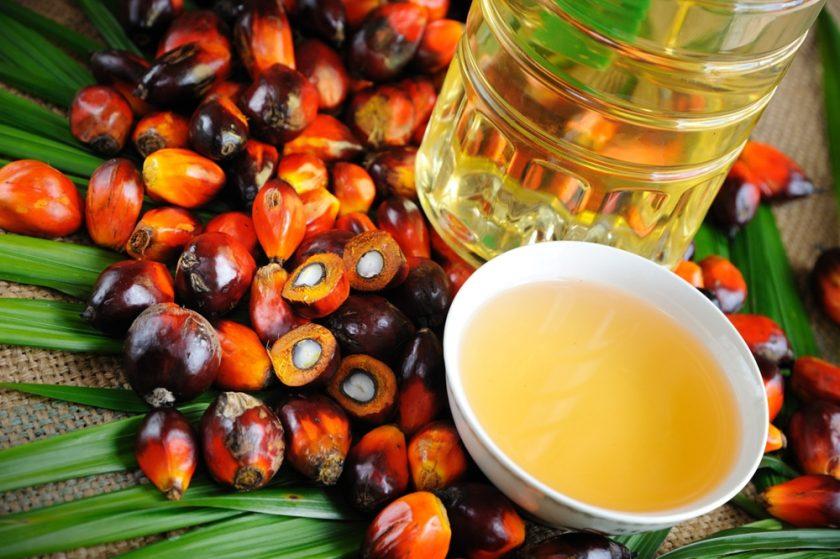
Malaysia’s animal feed sector is expected to absorb more oilseed-derived ingredients in marketing year 2025/26. Upward revisions to palm oil, palm kernel, and soybean complex supply estimates are driving this trend. According to a new USDA Gain report, improved oil palm productivity, stronger crushing activity, and stable import availability are supporting increased feed use across poultry and livestock systems.
Palm kernel meal supports livestock expansion
Palm kernel meal (PKM) availability is projected to rise in line with higher kernel recovery and crushing volumes. Domestic PKM consumption is expected to grow, driven by sustained feed demand from poultry and expanding ruminant operations.
Large-scale ruminant projects, including cattle and dairy developments in Gemas and Jemaluang, are reinforcing PKM demand. Industry sources indicate PKM remains a key protein and fiber component in ruminant diets, particularly as feed formulators seek cost-effective alternatives amid global oilseed price volatility.
Palm kernel oil production has also been revised higher. However, its role in feed remains secondary compared to PKM. Increased crushing activity is expected to balance higher production with steady domestic use and export demand.
Palm oil feed use edges higher
Palm oil feed and waste use is projected to rise modestly in 2025/26, reflecting higher overall supply availability. While feed and waste represent a relatively small share of total palm oil consumption, usage is expected to increase in line with broader domestic utilization trends.
Industry data show that feed-related palm oil use remains closely aligned with food and processing demand patterns. Residual volumes are directed toward feed applications where economically viable.
Soybean meal remains critical for poultry
Malaysia remains highly import-dependent for soybeans and soybean meal, which continue to play a central role in poultry and livestock feed formulations. Soybean meal consumption is projected to increase in 2025/26, supported by steady poultry production and stable feed demand.
Competitive global pricing and consistent import availability are expected to support higher crushing volumes, ensuring sufficient soybean meal supply for the feed industry. Feed manufacturers continue to rely on soybean meal as a primary protein source, particularly for broiler and layer rations.
Stable outlook for feed supply chains
Across oilseed-derived feed ingredients, 2025/26 stock levels reflect stronger production, higher imports, and firm domestic feed demand. Feed sector growth is expected to remain closely linked to poultry production performance, ruminant expansion, and the availability of competitively priced protein meals.
Industry observers note that improved domestic crushing activity and diversified feed ingredient sourcing are helping stabilize Malaysia’s feed supply chain amid ongoing global market uncertainty.