


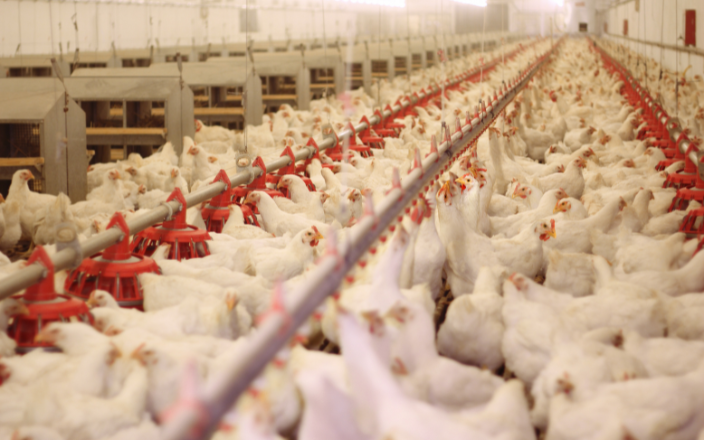
Poultry producers worldwide face a recurring dilemma: should they rebuild aging shed from scratch or retrofit existing structures? With rising input costs, stricter welfare regulations, and sustainability pressures, the choice directly impacts profitability and long‑term competitiveness1.
Assessing Structural Integrity
The first step is evaluating the physical condition of the shed. If foundations, roofing, and insulation remain sound, retrofitting may be the most cost‑effective option. Minor upgrades—such as improved ventilation, LED lighting, or automated feeding systems—can extend the shed’s lifespan by 10–15 years. Conversely, sheds with compromised foundations or outdated layouts may require complete reconstruction to meet modern biosecurity and welfare standards1.
Cost Considerations and ROI
Rebuilding typically demands higher upfront capital but can deliver efficiency gains through optimized layouts, energy‑efficient materials, and integrated automation. Retrofitting, on the other hand, involves lower investment and faster implementation. Producers must calculate return on investment (ROI) by comparing reduced operating costs, improved flock performance, and potential market premiums for welfare‑friendly production. In many cases, retrofitting yields quicker payback, while rebuilding secures long‑term resilience2.
Regulatory and Welfare Compliance
Global poultry markets increasingly demand compliance with welfare frameworks such as enriched environments, better stocking densities, and climate‑controlled housing. Retrofitting can address these requirements if the shed’s dimensions allow for modifications. However, rebuilding may be necessary when existing structures cannot accommodate mandated changes, such as larger ventilation systems or natural light access3.
Sustainability and Energy Efficiency
Energy costs represent a significant share of poultry production expenses. Retrofitting with solar panels, heat exchangers, or advanced insulation can reduce energy consumption by up to 30%. New builds, however, allow integration of cutting‑edge designs such as tunnel ventilation and precision climate control, which further enhance sustainability and reduce carbon footprints.
Strategic Decision‑Making
Ultimately, the decision hinges on balancing short‑term financial realities with long‑term strategic goals. Producers aiming for rapid improvements in flock welfare and energy efficiency may find retrofitting sufficient. Those targeting expansion, compliance with future regulations, or premium market positioning may justify the higher cost of rebuilding1.
Conclusion
Choosing between rebuilding or retrofitting poultry sheds is not a one‑size‑fits‑all decision. Careful assessment of structural integrity, regulatory requirements, and financial projections is essential. By aligning investment choices with operational goals, producers can maximize returns while ensuring sustainable, welfare‑compliant production.
Sources: