


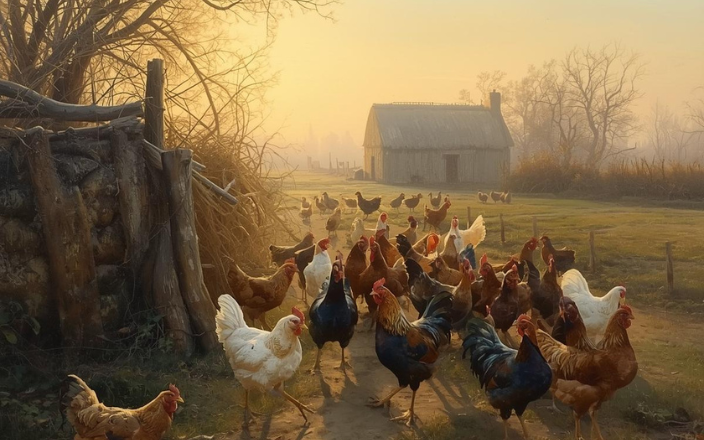
The ongoing conflict in the Middle East is reverberating far beyond the battlefield, shaking global poultry supply chains. With the region serving as a critical hub for feed grain exports, shipping routes, and energy supplies, disruptions are creating ripple effects that threaten both producers and consumers worldwide.
Feed Grain Shortages Hit Producers
- One of the most immediate impacts is the shortage of corn and soybeans, essential ingredients in poultry feed.
- Middle Eastern ports, particularly those along the Red Sea and Persian Gulf, have faced intermittent closures and heightened security checks.
- This has delayed shipments and raised costs for poultry producers in Asia, Africa, and Europe. Rising feed prices are squeezing margins, forcing some producers to scale back operations or pass costs on to consumers.
Energy Costs Compound the Crisis
The war has also driven up global energy prices, with crude oil and natural gas markets reacting to instability in the region. Poultry production, heavily reliant on energy for heating, processing, and transportation, is feeling the strain. Higher fuel costs are inflating logistics expenses, making it more difficult to maintain stable supply chains.
Export Markets Under Pressure
- Major poultry exporters such as Brazil and the United States are facing new challenges in reaching Middle Eastern markets.
- Shipping insurance premiums have surged due to heightened risks in regional waters, while rerouted vessels add days or weeks to delivery schedules.
- Import-dependent nations in the Middle East, where poultry is a staple protein, are experiencing shortages and price spikes.
Consumer Impact and Food Security Concerns
For consumers, the consequences are already visible. Retail poultry prices are climbing in many countries, with some regions reporting double-digit increases. In developing nations, where poultry is a primary source of affordable protein, the situation raises serious food security concerns. Governments are scrambling to secure alternative supply routes and negotiate emergency trade agreements to stabilize markets.
Industry Response and Outlook
- Poultry industry leaders are calling for coordinated international action to mitigate the crisis.
- Proposals include diversifying feed sources, investing in regional production capacity, and strengthening biosecurity measures to safeguard against further shocks.
- While the duration of the conflict remains uncertain, analysts warn that prolonged instability could reshape global poultry trade patterns for years to come.
Conclusion
The war in the Middle East is a stark reminder of how interconnected global food systems are. What begins as a geopolitical conflict quickly cascades into economic and humanitarian challenges, with poultry supply chains standing as one of the most vulnerable sectors. The industry now faces a critical test: adapting to volatility while ensuring that millions of people worldwide continue to have access to affordable protein.
Sources: Available upon request