


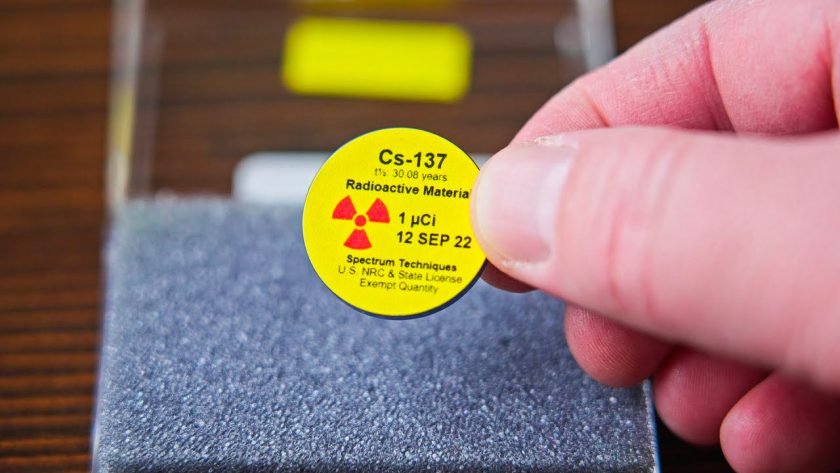
Talk of ‘mutant chicken’ rippled across Indonesia’s social media after radiation investigators confirmed that several major poultry integrators, including one of the country’s largest, Charoen Pokphand Indonesia, was listed among companies potentially exposed to Cesium-137 (Cs-137) contamination in the Modern Cikande Industrial Estate in Serang, Banten.
The Food and Drug Monitoring Agency (BPOM) last week sought to reassure the public, stating that no radioactive contamination has been detected in food products circulating in the domestic market. The clarification followed growing concern after reports of Cs-137 contamination in several export goods.
Authorities first detected the radiation trail when US Customs flagged abnormal exposure levels in a shipping container of frozen shrimp exported from Indonesia. The US Food and Drug Administration later confirmed in early August that samples from Bahari Makmur Sejati (BMS) contained Cs-137.
A trace-back investigation by Indonesian authorities then identified the contamination source in the Cikande area, home to BMS’s processing facility and several metal-smelting plants.
The Industry Ministry said 24 companies operating inside the Modern Cikande Industrial Estate showed potential exposure to Cs-137 across sectors, including metal recycling, hazardous-waste processing, food production, and light manufacturing.
Charoen Pokphand Indonesia’s inclusion drew attention due to its strong consumer brands, and its food-processing facility located roughly 1.3 km from the BMS plant.
The company said its facilities were tested and declared clean, stating that government-led decontamination occurred outside the production building and did not disrupt operations. The company has since resumed normal activity under a clean-and-clear status.
Despite the public scrutiny, Charoen Pokphand Indonesia’s shares rose 0.64% to USD 0.28 on Wednesday, partially rebounding after falling 0.6% over the past week.
Reputational risks and overall impact
BRI Danareksa Sekuritas in its research paper warned that reputational risks may still linger, particularly amid heightened consumer sensitivity to food-safety concerns and widespread online jokes and fears about ‘radioactive chickens’.
Two other poultry integrators, Japfa Comfeed Indonesia and Malindo Feedmill, also operate within the estate but are considered at significantly lower risk because they run feedmills rather than food processing facilities.
According to BRI Danareksa Sekuritas, the overall impact on the poultry sector remains limited. Even under downside scenarios for Charoen Pokphand Indonesia’s food-segment revenue, the brokerage estimates only marginal earnings pressure, about 0.3% in fiscal year 2025 and 0.5% in 2026.
The company maintained its ‘overweight’ view on the sector, saying the contamination incident is unlikely to materially affect profitability.
Regulatory investigations into the source and extent of the Cs-137 exposure are ongoing.