


New Technologies in Collection and Logistics in Broiler Slaughterhouses
The poultry industry is undergoing rapid transformation, driven by the need for efficiency, biosecurity, and sustainability. Slaughterhouses, particularly those handling broiler chickens, are adopting new technologies in collection and logistics to optimize operations, reduce costs, and ensure food safety. These innovations are reshaping how birds are transported, processed, and delivered to markets.
Smart Collection Systems
- Modern collection systems now integrate automated catching machines that minimize stress on birds and reduce labor dependency.
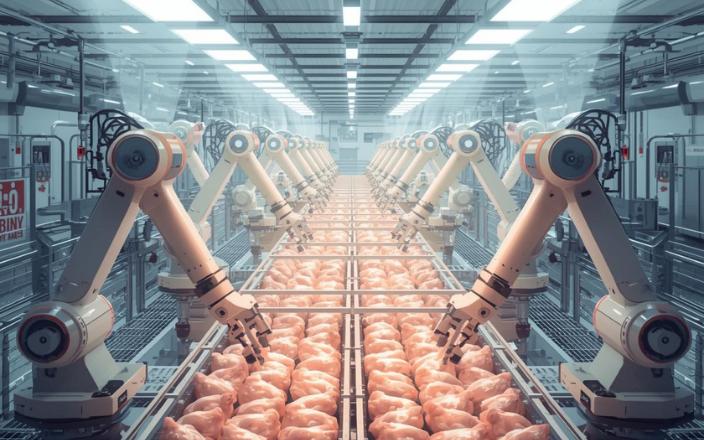
- These machines use gentle conveyor belts and robotic arms to handle chickens more efficiently than manual labor.
- Additionally, sensor-based monitoring tools track bird density, weight, and health during collection, ensuring compliance with welfare standards and reducing mortality rates.
Digital Logistics Platforms
Logistics in slaughterhouses has shifted toward digital platforms that provide real-time tracking of poultry shipments. GPS-enabled vehicles combined with IoT sensors allow managers to monitor temperature, humidity, and travel times. This ensures that chickens arrive in optimal condition, reducing losses and improving overall product quality. Cloud-based systems also enable better coordination between farms, transporters, and slaughterhouses.
Automation in Transport
Automated transport cages and modular container systems are becoming standard. These designs improve loading and unloading efficiency, reduce handling time, and enhance biosecurity by limiting cross-contamination. Some systems even include self-cleaning mechanisms that sanitize cages between uses, aligning with stricter hygiene regulations.
Robotics and AI in Logistics
- Artificial Intelligence (AI) is increasingly used to predict demand, optimize routes, and manage inventory.
- AI-driven logistics software can analyze production schedules, market demand, and transportation costs to recommend the most efficient distribution strategies.
- Robotics also play a role in warehouse management, automating the movement of poultry products from slaughter lines to cold storage and distribution centers.
Sustainability and Energy Efficiency
New technologies emphasize sustainability. Electric-powered transport vehicles and energy-efficient refrigeration systems reduce carbon emissions. Smart logistics platforms also minimize fuel consumption by optimizing delivery routes. These innovations align with global sustainability goals and improve the industry’s public image.
Conclusion
- The integration of automation, digital platforms, robotics, and sustainability-focused technologies is revolutionizing collection and logistics in broiler chicken slaughterhouses.
- These advancements not only improve efficiency and animal welfare but also strengthen biosecurity and reduce environmental impact.
- As the poultry industry continues to evolve, embracing these technologies will be essential for competitiveness and long-term growth.
Sources: Available upon request