


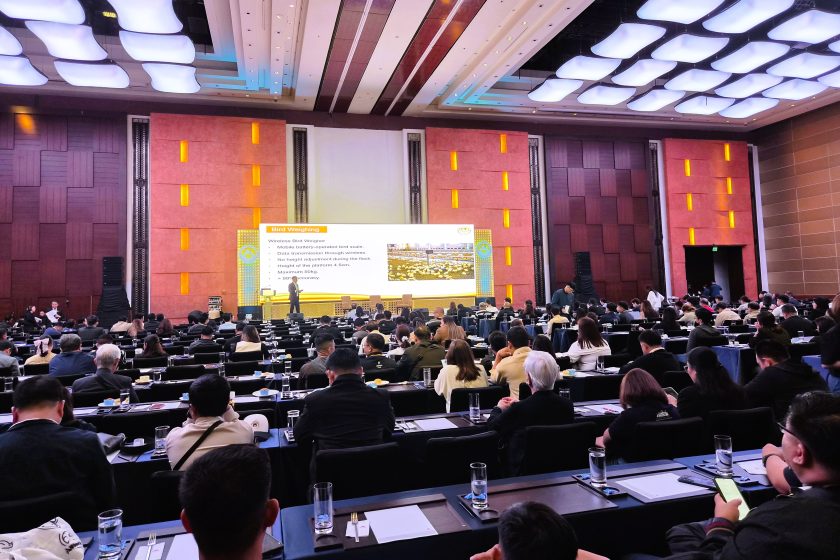
Philippine poultry leaders are calling for a sector that is holistic, sustainable, resilient, and connected. That goal shaped the PCPP Poultry School 2026, organized by the Philippine College of Poultry Practitioners (PCPP). The two‑day event, held on August 6-7, drew about 2000 participants eager to explore how global and regional advances can be adapted to local farms.


The event underscored that disease pressure, sustainability, climate resilience, productivity, antimicrobial stewardship, technology, and food safety are challenges shared worldwide. For Philippine producers, the task is not simply to adopt what works elsewhere, but to translate innovations into practical solutions for local conditions.
Framing the conversation
Plenary sessions provided the broader context before participants moved into specialized breeder, broiler, and layer tracks. These sessions highlighted the industry’s direction while linking it with global developments.
Topics such as artificial intelligence, avian influenza, and climate‑resilient production showed that poultry production is evolving beyond traditional approaches. Breakout sessions then brought these issues back to the farm level, encouraging participants to adapt global knowledge to Philippine realities.
One enduring message was the need for integration. Health, nutrition, genetics, environment, biosecurity, economics, sustainability, and technology can no longer be viewed separately. Another was the growing role of data and artificial intelligence in decision‑making. Technology, however, should complement—not replace—professional expertise and sound management.
Resilience and transformation
At the plenary on the first day, Marvin Mendoza, COO of Chicken Essentials Ph Inc, offered a sharp assessment of the broiler industry’s trajectory. He underscored resilience, noting that the sector has weathered crises from COVID‑19 to climate volatility and global market shocks. For him, the real competition is not with other countries but with uncertainty itself.
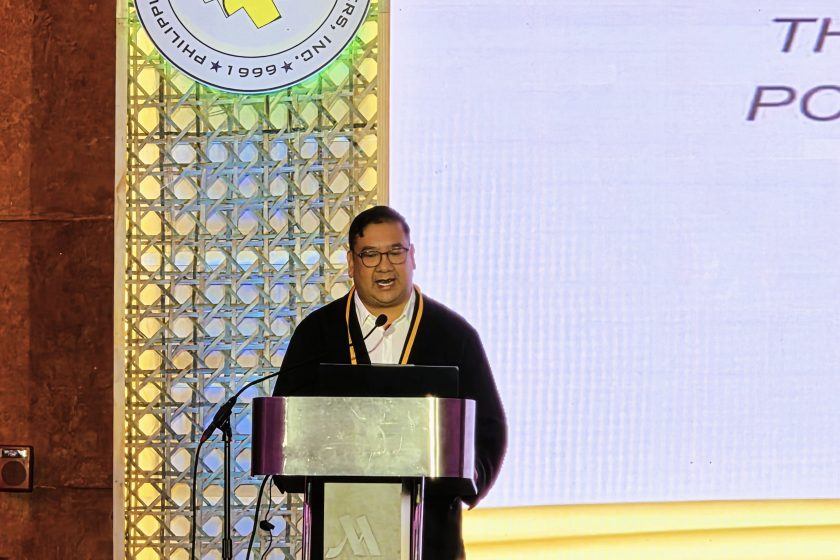
Marvin Mendoza
Mr Mendoza pointed to strong demand growth. The population has climbed from 92 million in 2010 to about 108 million in 2026, while chicken consumption has risen even faster—from 13.5kg to 16.2kg per person in the past decade. This, he noted, underscores why demand continues to rise.
Demographics are reshaping consumption patterns. A young, urban workforce is driving demand for convenience foods, with Gen Z and millennials shifting toward processed and ready‑to‑eat products. Processed food consumption has surged by 63% in the past decade, outpacing fresh chicken. He stressed that future value will hinge less on price and more on convenience.
Local production has expanded, surpassing 2 million tons in 2024, yet imports now account for roughly one‑fourth of total supply. Mr Mendoza cautioned that the challenge is not simply producing more chicken, but remaining profitable in a globalized market. Feed costs remain the industry’s biggest hurdle. Corn and soy prices fluctuate seasonally, with mid‑year often bringing the highest broiler prices. He argued that producers must adapt to global commodity swings and climate‑related stresses.
Looking ahead, he predicted that the most successful players will be cost‑efficient, digitized, and data‑driven. “Winners will not be the biggest players. Winners will be the fastest learners,” he said. Artificial intelligence and digital transformation, in his view, are essential tools for survival. Every crisis, he added, creates opportunities for transformation, and the future will belong to those who endure.
Breeder, broiler, and layer insights
In the breakout sessions, the breeder track reinforced the importance of precision and consistency in flock management. Fertility, hatchability, male management, uniformity, nutrition, health, and biosecurity are closely interconnected. Practical takeaways included early monitoring, good records, and diagnostics to prevent reproductive or economic losses.
The broiler track emphasized efficiency beyond body weight. Feed conversion, health, environmental control, welfare, stress management, and economic performance were all discussed. Global trends toward reducing unnecessary antimicrobial use and improving gut health resonated strongly. For Philippine producers, the challenge lies in adapting these strategies to local climate, infrastructure, feed costs, and disease conditions.
The layer track tackled sustainability and productivity together. Healthy flocks, efficient feed use, strong vaccination, biosecurity, reduced inputs, and food safety were highlighted. While global experience offers direction, solutions must be economically and operationally viable for Philippine egg producers.
Shared challenges and participant response
Despite different production objectives, breeders, broilers, and layers face common challenges. Disease prevention, biosecurity, nutrition, environmental stress, flock health, sustainability, and data‑driven decision‑making emerged across all tracks.
Participants valued the mix of plenary and breakout formats. Plenary sessions provided breadth, while breakout tracks offered depth. The combination allowed comparisons between local experiences and global approaches. This exchange underscored that Philippine poultry is part of a wider Asian and global industry, yet must remain locally relevant.
Feedback also noted the balance between technical detail and practical takeaways. Highly technical discussions on diagnostics, vaccination, nutrition, and microbiology were complemented by presentations on farm management, economics, welfare, and efficiency. The real value lay in translating technical knowledge into practical farm solutions.
Connecting the value chain
One of the event’s strengths was connecting different parts of the poultry value chain. Genetics influences breeder and chick performance, hatchery quality affects flock development, and nutrition and health drive productivity. Disease prevention impacts economics, while the entire chain contributes to food safety and security.
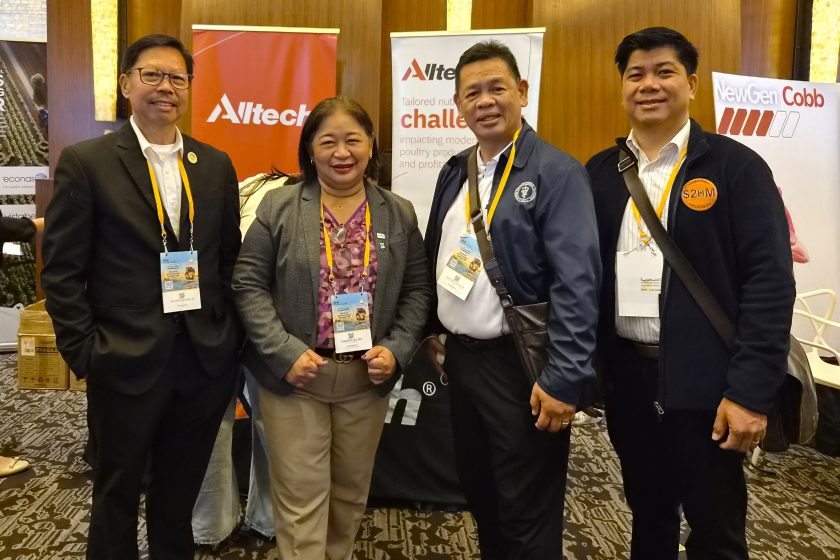



By bringing these perspectives together, the event reinforced that many industry problems cannot be solved by one discipline alone. Collaboration across breeders, integrators, and practitioners is essential.
Gaps and opportunities
Several unresolved issues emerged. Translating global innovations into economically viable local solutions remains a challenge. Making better use of farm data is another. Artificial intelligence and digital tools hold promise, but require quality data, infrastructure, and skilled professionals.
Disease prevention and surveillance also remain pressing concerns, especially with changing disease patterns and environmental pressures. These issues cannot be solved by a single event, but the Poultry School helps establish conversations and collaborations needed to address them.
Looking ahead
Lessons from the event are expected to influence industry practices in the coming years. Preventive, integrated, and data‑driven management will likely gain traction. Precision nutrition, improved diagnostics, stronger surveillance, better biosecurity, sustainable practices, and digital technologies are expected to grow.
However, adoption will not mean simply transferring global practices. Producers and practitioners must validate solutions locally, considering climate, disease landscape, farm structures, economics, and workforce realities.
Organizers suggested more interactive, case‑based sessions for future editions. Cross‑track discussions and stronger local field validation were also recommended. These approaches could help participants connect global experience with Philippine farm realities.
Sustaining momentum
PCPP aims to sustain momentum beyond the annual event. Year‑round technical discussions, webinars, case studies, field experiences, and collaborations among practitioners, academe, government, and industry are planned.
Most importantly, new approaches must be validated locally. International and regional experience provides direction, but Philippine field evidence determines applicability. Success should be measured not only by attendance or certificates, but by better farm decisions, healthier birds, improved sustainability, stronger food safety, and a more resilient industry.
For PCPP, being future‑ready means being globally informed, regionally connected, but locally relevant.