


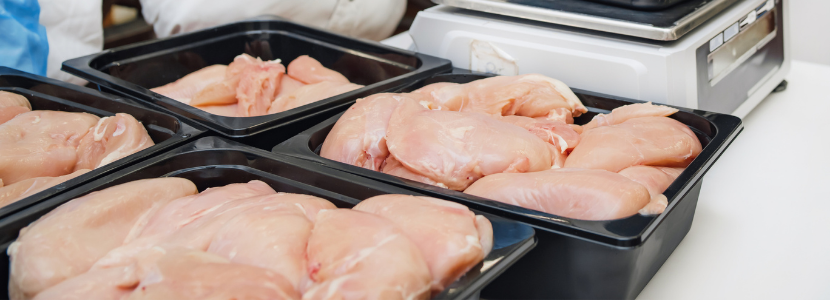
Philippine poultry industry stakeholders continue to face significant challenges despite an adequate supply of broiler chickens entering the holiday season. Leaders say weak consumer purchasing power, elevated production costs, and strong competition from imported products are weighing on the sector.
In an interview with radio station DZRH, United Broiler Raisers’ Association (UBRA) Chairman Elias Jose Inciong said the industry’s difficulties stem from broader economic pressures rather than supply shortages. While farmgate prices continue to reflect seasonal production cycles and preparations for Christmas demand, consumer spending remains constrained by rising living costs.


UBRA Chairman Elias Jose Inciong (Photo credit: United Broiler Raisers Association Facebook page)
Disconnect between farmgate and retail prices
A key concern for poultry producers is the gap between prices received by farmers and those paid by consumers.
According to Mr Inciong, farmgate prices range from about USD 1.90 to more than USD 2.22 per kilogram (USD 1:PHP 63), depending on the region. Retail prices in wet markets, however, often reach USD 3.02 to USD 3.49 per kilogram or higher.
He described this disparity as a disconnect between farmgate and retail markets. In his view, policymakers and economists must recognize this issue when evaluating food prices and market conditions.
At the same time, Mr Inciong said consumer budgets are under increasing strain. Rising electricity and fuel expenses are absorbing a large share of household spending, leaving less money available for food purchases.
This dynamic affects the entire poultry value chain. As consumers become more selective with their spending, food products compete for a shrinking portion of household budgets.
Structural pressures on the sector
Beyond current market conditions, Mr Inciong pointed to longer-term challenges facing domestic poultry production.
He said many small and medium-sized producers have exited the industry over the past decade. He added that unsupportive economic policies and a reliance on liberalized trade frameworks have contributed to that trend.
Mr Inciong contrasted the Philippines’ approach with those of Indonesia, Malaysia, and Thailand. He said these countries maintain agricultural support systems and use sanitary and phytosanitary measures to protect domestic producers.
In his view, those policies have helped strengthen local industries while preserving competitiveness in the domestic market.
Debate over imports and competitiveness
He also questioned the government’s reliance on tariff reductions and large-scale importation as tools to manage inflation.
Mr Inciong argued that policymakers have long assumed greater import competition would force local industries to become more competitive. However, he said the expected benefits have not materialized and have instead added pressure on domestic poultry and swine producers.
The discussion comes as the government continues efforts to strengthen the broader livestock and poultry sector. The Department of Agriculture recently sought roughly USD 238 million in funding while restructuring budget plans linked to the Animal Competitiveness Enhancement Fund, a program established to support the long-term development and competitiveness of the animal industry.
The measure highlights a policy balance that continues to shape the sector. While producer groups are calling for stronger safeguards against import pressure, the government is also pursuing programs intended to modernize and strengthen livestock and poultry production.
Feed costs remain a key variable
Feed costs remain another source of uncertainty for poultry producers.
Recent government action to expand corn import access underscores concerns about domestic feed supplies. Officials moved to increase corn imports in response to a projected supply deficit, citing production constraints, rising agricultural costs, and potential weather-related risks, including El Niño.


Corn remains a major ingredient in livestock and poultry feed.
The issue is significant because corn remains a major ingredient in livestock and poultry feed. Any disruption in supply or increase in cost can directly affect production economics across the poultry sector.
The government’s move is intended to reinforce feed availability and help contain upward pressure on livestock and poultry production costs. However, it also reflects the market uncertainty that Mr Inciong cited when discussing the industry’s outlook.
Uncertain holiday outlook
Looking ahead, Mr Inciong declined to predict whether chicken prices would rise sharply or whether supply disruptions could occur during the holiday period.
He said movements in feed costs, the potential impact of El Niño on corn production, and uncertainty surrounding imported product volumes make accurate forecasts difficult.
As a result, UBRA is taking a cautious view of market developments in the coming months.
While the organization maintains that broiler supply remains sufficient to meet demand, it believes the sector’s primary challenge lies elsewhere. Declining consumer purchasing power, high production costs, and intense import competition continue to shape the industry’s outlook.
At the same time, ongoing government efforts to support livestock and poultry development and secure feed supplies illustrate the broader policy debate. The challenge for the sector will be balancing competitiveness, food affordability, and support for domestic producers in an increasingly complex market environment.