


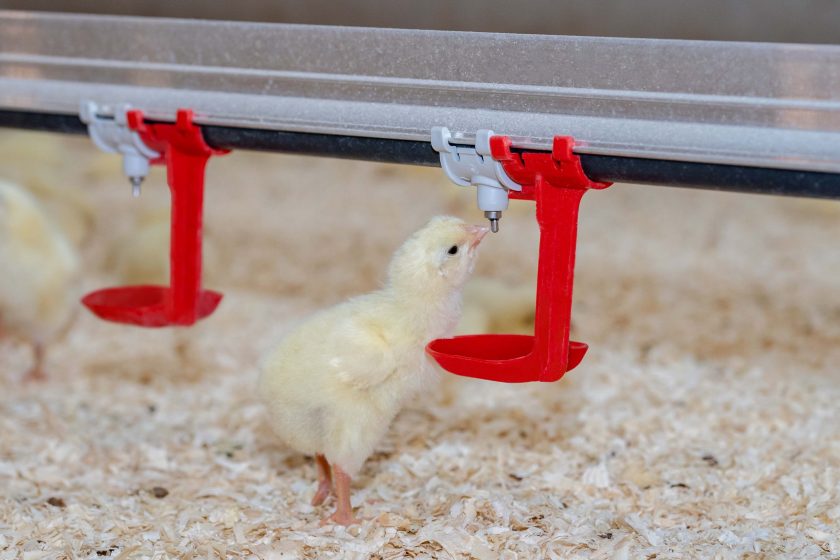
The global nipple drinker lines market enters 2026 with broader demand fundamentals, more disciplined procurement behavior, and a more regionally diversified supply architecture, according to the latest IndexBox report.
The global nipple drinker lines market is projected to grow at a compound annual growth rate of 5.8% from 2026 to 2035. This expansion is underpinned by sustained growth in global poultry production, which continues to outpace other animal protein sectors, and by the accelerating replacement of aging watering systems with electronically controlled, sensor-integrated nipple drinker lines.
These systems are no longer simple water delivery tubes; they incorporate solenoid valves, flow sensors, and wireless control modules that integrate with farm management software, enabling precision water management and improved biosecurity.
The aftermarket for consumables and replacement parts, including nipples, valves, and regulators, represents 45-55% of total market revenue, providing a stable recurring demand base.
Regionally, Asia-Pacific leads in both production and consumption, while Latin America and the Middle East & Africa are emerging as high-growth markets supported by expanding poultry operations.
Key challenges include raw material price volatility, supply chain bottlenecks for electronic subassemblies, and divergent regional standards.
Shifting to closed nipple drinker lines
The shift from manual or open trough watering to closed nipple drinker lines is a central driver, as producers seek to reduce water waste, improve hygiene, and lower labor costs.
Electronic and sensor-integrated lines are expected to increase their share of new installations from roughly 30-40% in 2025 to over 50% by 2035, supported by falling sensor costs and the broader adoption of IoT in agriculture.
Supply-side factors include the availability of stainless steel and food-grade polymers, as well as electronic components such as pressure sensors and control PCBs. While raw material price volatility and trade disruptions pose risks, the overall trajectory remains positive.
The market is moderately consolidated, with global leaders and regional specialists competing on technology, price, and service networks.
By 2035, the market is expected to be more integrated with farm management platforms, offering value-added services and data analytics.
Broiler production: The largest end-user
Broiler production is the largest end-use sector for nipple drinker lines, driven by the global expansion of poultry meat consumption. Modern broiler houses require precise water delivery to optimize feed conversion and bird health.
Nipple drinker lines with integrated pressure regulators and flow sensors are increasingly adopted to ensure uniform water access and reduce waste.
Through 2035, the shift toward higher stocking densities and automated climate control will further boost demand for advanced drinker lines.
Demand-side indicators include broiler meat production volumes, feed conversion ratios, and adoption rates of automated watering in new and renovated houses.
The aftermarket for replacement nipples and valves is substantial, as broiler producers maintain strict hygiene and performance standards.
Layer production: A significant market for nipple drinker lines
Layer production, encompassing both table egg and hatching egg operations, represents a significant market for nipple drinker lines.
Layers require consistent water access to maintain egg production and shell quality. Nipple drinker lines are preferred over open troughs for their ability to keep water clean and reduce disease transmission.
As egg consumption rises globally, particularly in Asia and Latin America, layer farms are expanding and modernizing. The trend toward cage-free and aviary systems in developed markets is also influencing drinker line design, with multi-tier and adjustable lines gaining traction.
Demand indicators include egg production volumes, flock sizes, and regulatory changes affecting housing systems.
Breeder production: Requiring precise water control
Breeder production, including broiler breeders and layer breeders, requires precise water control to manage bird weight and reproductive performance.
Nipple drinker lines with individual bird access and adjustable pressure are essential in breeder houses. The market is driven by the need to optimize fertility and hatchability, which are sensitive to water intake.
Through 2035, breeder operations are expected to adopt more advanced drinker lines with integrated flow meters and data logging to monitor consumption patterns.
Demand indicators include breeder flock inventories, hatchability rates, and the adoption of precision livestock farming technologies.