


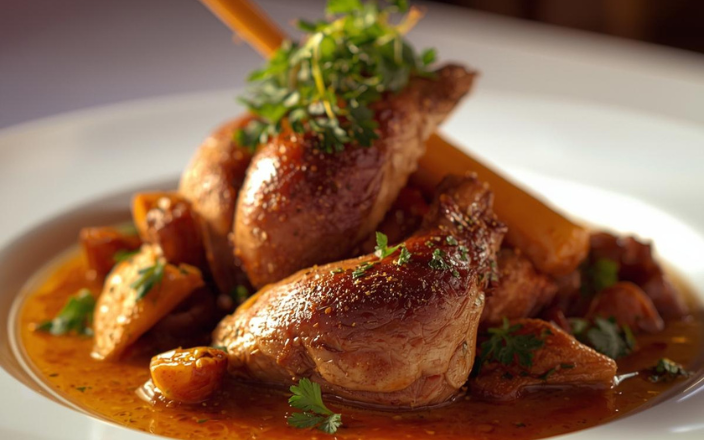
Quail meat has historically been considered a delicacy in the U.S., often associated with fine dining and gourmet cuisine. However, recent market trends show that quail meat consumption is expanding beyond luxury restaurants into mainstream retail channels. This growth is fueled by rising awareness of its nutritional benefits and the diversification of poultry offerings in supermarkets.
Market Size and Growth
- The U.S. quail meat market is part of a global sector valued at approximately USD 81.97 million in 2025, projected to reach nearly USD 178 million by 2035.
- Growth is expected at a compound annual growth rate (CAGR) of 8.06% between 2026 and 2035, reflecting increasing consumer demand for lean, protein-rich meats.
- In North America, the United States leads consumption, with quail meat available through specialty retailers, ethnic markets, and direct farm sales.
Nutritional and Culinary Appeal
Quail meat is prized for its high protein content, low fat levels, and rich flavor. Compared to chicken, quail offers a more delicate taste and is often used in:
- Roasting and grilling for gourmet dishes.
- Soups and stews in Asian and Latin American cuisines.
- Stuffing and specialty preparations in fine dining.
Its versatility makes it attractive to chefs and home cooks seeking alternatives to conventional poultry.
Consumer Trends in the U.S.
- Health-conscious consumers are increasingly drawn to quail meat as part of a balanced diet.
- Ethnic communities, particularly those with culinary traditions involving quail, contribute significantly to demand.
- Farm-to-table movements and local poultry farms are promoting quail as a sustainable option, given its relatively small environmental footprint compared to larger livestock.
Distribution Channels
Quail meat in the U.S. is primarily sold through:
- Specialty supermarkets and ethnic grocery stores.
- Direct farm sales and online platforms, which allow consumers to purchase fresh or frozen quail.
- Restaurants and catering services, where quail remains a popular gourmet choice.
Challenges and Opportunities
- Challenges: Limited consumer familiarity, higher price compared to chicken, and smaller production scale.
- Opportunities: Rising demand for exotic proteins, expansion into health-focused retail markets, and growing interest in sustainable poultry farming.
Conclusion
While quail meat remains a niche product in the U.S., its steady growth trajectory and increasing visibility in retail and dining suggest a promising future. As consumers continue to seek diverse, nutritious, and sustainable food options, quail meat is positioned to become a more prominent player in the American poultry market.
Sources: Available upon request