


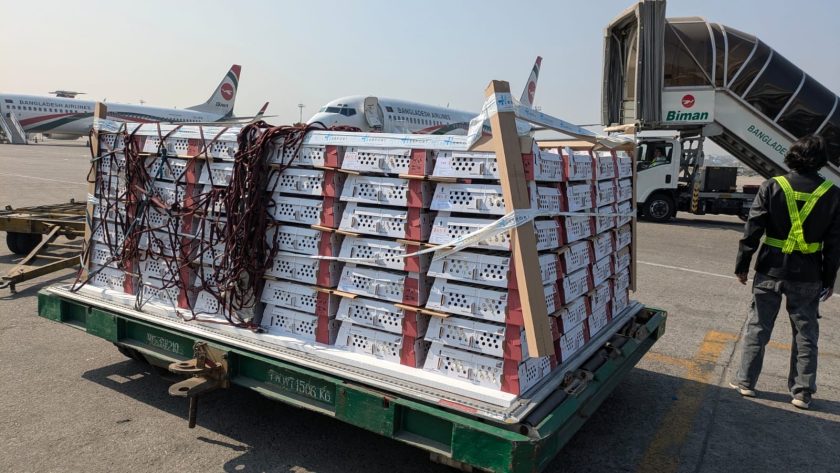
Bangladesh’s poultry industry reached an important milestone with the official launch of a grandparent (GP) partnership between SASSO of Hendrix Genetics and Kazi Farms at Le Méridien Dhaka recently. This strategic collaboration aims to establish local production of SASSO genetics parent stock in Bangladesh and strengthen the country’s fast-growing colored chicken segment.
The launch ceremony brought together senior government representatives, poultry industry leaders, and international executives from both organizations, highlighting the growing importance of Bangladesh in the global poultry genetics sector.
Among those present at the event were Rashed Al Mahmud Titumir (Adviser to the Prime Minister at the Ministry of Finance and Ministry of Planning), Kazi Zahedul Hasan, Kazi Zahin Hasan, Laurent Salles, Edouard Perrault, Md Mahiuddin, and Dr Ali Haider.
The partnership has already moved beyond announcement stage. Industry sources confirmed that the first GP chicks under the collaboration have already arrived in Bangladesh at Kazi Farms facilities, marking the operational beginning of the project and the first step toward localized production of SASSO parent stock in the country.


A strategic move for Bangladesh’s growing colored chicken market
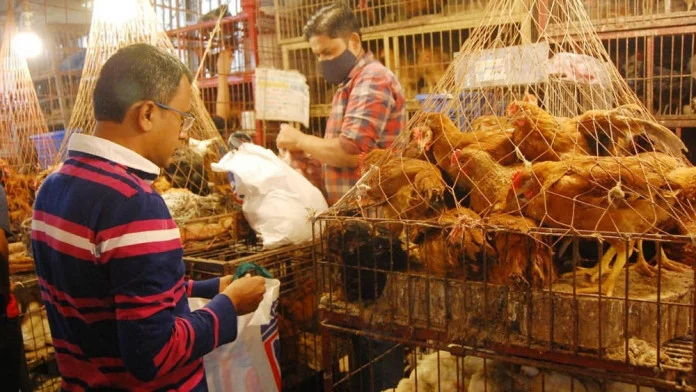
Bangladesh has become one of Asia’s most dynamic markets for colored and slow-growing chickens. Unlike conventional white broilers, colored birds are increasingly preferred by consumers because of their traditional appearance, firmer meat texture, perceived taste quality, and adaptability to local farming systems.
Over the last decade, demand for colored broilers has expanded rapidly across:
- Rural live bird markets
- Urban wet markets
- Premium retail outlets
- Restaurants and hospitality sectors
- Semi-commercial farming systems
According to industry stakeholders, Bangladeshi consumers continue to show strong preference for birds that resemble native chicken characteristics while still offering commercial growth performance.
This changing market demand has made Bangladesh a strategically important market for SASSO, which is globally recognized for its expertise in traditional and colored poultry genetics. The company already holds a leading position in Bangladesh’s colored broiler segment.

Why the GP partnership matters
The establishment of a GP project inside Bangladesh represents a major development for the country’s poultry breeding infrastructure.
In poultry breeding, GP stock sits at the top of the production pyramid and plays a critical role in maintaining long-term genetic supply. Traditionally, many poultry markets rely heavily on imported parent stock, making the supply chain vulnerable to:
- International logistics disruptions
- Freight cost increases
- Currency fluctuations
- Disease-related trade restrictions
- Delays in chick availability
The SASSO–Kazi Farms partnership aims to reduce those vulnerabilities by strengthening local production capacity.
Industry experts believe the localized GP system can provide several long-term benefits:
- Improved availability of high-quality parent stock
- Faster response to market demand
- Greater supply chain stability
- Better technical and field-level support
- Reduced dependence on imports
- Enhanced biosecurity management
The project also aligns with broader efforts to strengthen food security and poultry sustainability in Bangladesh through resilient and locally produced genetics.
Strengthening local production and farmer support
One of the core objectives of the partnership is to support Bangladeshi farmers with robust, high performing, colored broilers suited to local production conditions.
Colored chickens are often favored by small and medium-scale farmers because they generally perform better under semi-intensive systems and variable environmental conditions. Their adaptability, survivability, and market acceptance make them especially important for rural poultry production.
Through local GP production, the companies aim to:
- Strengthen the local supply of premium parent stock
- Improve consistency in chick quality
- Increase product availability nationwide
- Support farmer profitability
- Maintain high genetic and biosecurity standards
The partnership is also expected to improve customer responsiveness by reducing dependency on overseas supply chains and shortening production lead times.
The role of Kazi Farms
Kazi Farms brings extensive poultry infrastructure and market experience to the collaboration.
Established in 1996, the company has grown into one of Bangladesh’s leading integrated poultry businesses with operations in breeder farming, hatcheries, feed production, commercial poultry, eggs, and food processing. Kazi Farms was also among the first companies in Bangladesh to establish GP operations for commercial poultry production.
Its nationwide distribution network and technical capabilities are expected to play a major role in expanding access to SASSO colored broiler genetics across Bangladesh.
The partnership also builds on a relationship of more than 18 years between the two organizations. According to company statement, both sides share a common focus on quality, sustainability, performance, and long-term poultry development.
Industry observers note that Kazi Farms’ strong operational experience and farm management systems make it a suitable partner for implementing an advanced poultry genetics program under international breeding standards.

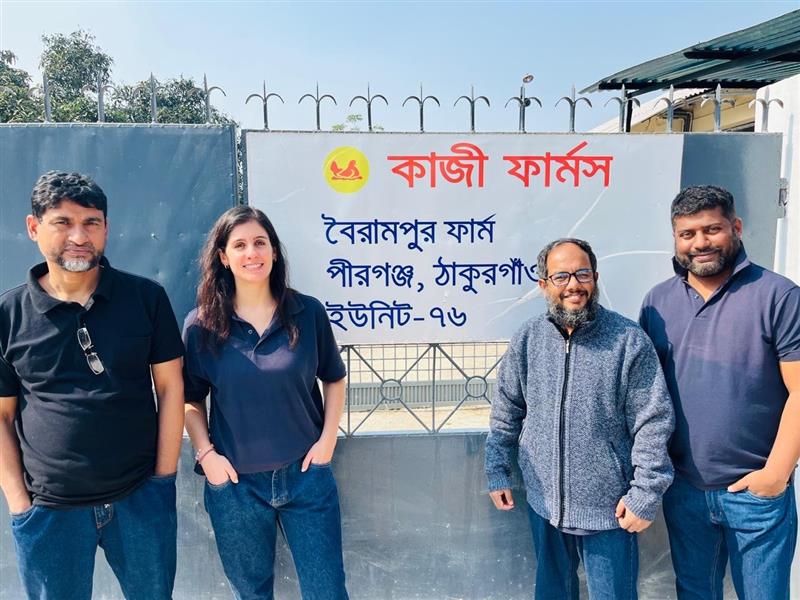
SASSO Bangladesh: Moving closer to farmers
Alongside the GP project, SASSO has announced plans to establish a local subsidiary named SASSO Bangladesh.
The new entity is intended to strengthen the company’s direct engagement with Bangladeshi customers and farmers through:
- Local technical service
- Commercial support
- Field-level management assistance
- Strategic market development
- Faster communication with poultry producers
The move reflects a broader industry trend in which international genetics companies are increasingly investing in local presence rather than operating only through export channels.
For poultry farmers, direct technical support is becoming increasingly important as production systems become more specialized and performance-driven. Colored broiler farming often requires targeted management strategies involving:
- Feeding programs
- Growth control
- Environmental management
- Health monitoring
- Market weight optimization
A local SASSO team could therefore help producers achieve better flock performance, improved feed efficiency, and stronger economic returns.
Conclusion
The launch of the GP partnership between SASSO and Kazi Farms represents a significant development for Bangladesh’s poultry industry, particularly for the rapidly expanding colored chicken sector. With the arrival of the first GP chicks in Bangladesh, the collaboration has already moved from strategic planning to practical implementation.
At a time when global poultry markets are facing increasing challenges related to supply chain stability, biosecurity, and production sustainability, the establishment of local GP production offers Bangladesh an opportunity to strengthen its poultry breeding infrastructure and reduce dependency on external sources.
The partnership combines SASSO’s global expertise in colored poultry genetics with Kazi Farms’ strong local production network and market experience. Together, the two companies aim to deliver high-quality, resilient, and commercially efficient colored broilers that meet the evolving preferences of Bangladeshi consumers and the operational needs of farmers.
The planned establishment of SASSO Bangladesh further demonstrates a long-term commitment to closer farmer engagement, technical support, and local market development. As demand for premium colored chicken continues to grow across Bangladesh, initiatives like this are expected to play an increasingly important role in supporting sustainable poultry production, strengthening food security, and creating new opportunities for poultry farmers throughout the country.
For Bangladesh’s poultry sector, the SASSO–Kazi Farms GP project is not only a new business collaboration—it is a strategic investment in the future of locally produced poultry genetics and the long-term growth of the industry.