


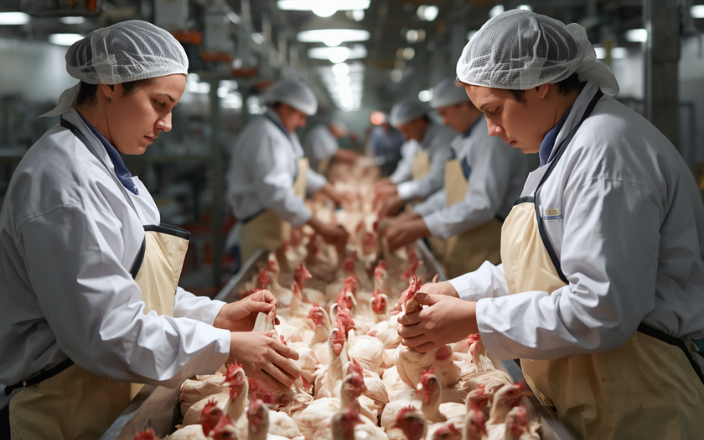
Training Innovations for the Modern Poultry Workers
The poultry sector is undergoing rapid transformation, driven by automation, sustainability demands, and stricter biosecurity regulations. These changes require a workforce that is not only technically skilled but also adaptable to new technologies and management practices. Training programs are evolving to ensure employees can meet these challenges while maintaining productivity and compliance.
Digital Learning Platforms
One of the most significant developments in workforce training is the adoption of digital platforms. Online modules, mobile apps, and virtual simulations allow workers to access training materials anytime, reducing downtime and improving consistency. For example, hatchery staff can now practice biosecurity protocols in virtual environments before applying them in real facilities, minimizing risks of contamination.
Emphasis on Biosecurity and Welfare
Modern training programs place strong emphasis on animal welfare and biosecurity. Employees are taught to recognize early signs of disease, implement strict hygiene measures, and follow welfare standards that align with international guidelines. This focus not only protects flock health but also strengthens consumer trust in poultry products.
Cross-Functional Skills Development
Beyond technical expertise, companies are investing in cross-functional skills such as teamwork, communication, and problem-solving. Supervisors and line workers alike are trained to collaborate effectively, ensuring smoother operations in processing plants and hatcheries. This holistic approach prepares employees to handle unexpected challenges, from equipment failures to disease outbreaks.
Integration of Automation Training
As advanced automation technologies become standard in processing and production, workforce training now includes modules on robotics, sensors, and data-driven management systems. Employees learn how to operate, monitor, and troubleshoot automated equipment, bridging the gap between traditional manual labor and modern digital systems.
Continuous Learning Culture
Rather than one-time courses, poultry companies are fostering a culture of continuous learning. Regular refresher sessions, micro-learning modules, and performance feedback loops keep employees updated on evolving standards. This approach ensures that training is not static but adapts to new regulations, technologies, and market demands.
Global Collaboration and Standardization
International poultry organizations are increasingly collaborating to standardize training frameworks. Shared guidelines on welfare, biosecurity, and sustainability help align practices across regions, making the workforce more globally competitive. This harmonization also facilitates knowledge exchange, allowing best practices from one country to be applied in another.
Conclusion
Training in modern poultry production is no longer limited to basic operational skills. It now encompasses digital literacy, welfare awareness, automation expertise, and continuous improvement. By investing in comprehensive workforce development, the industry ensures resilience, efficiency, and sustainability in the face of global challenges.
Sources: Available upon request