


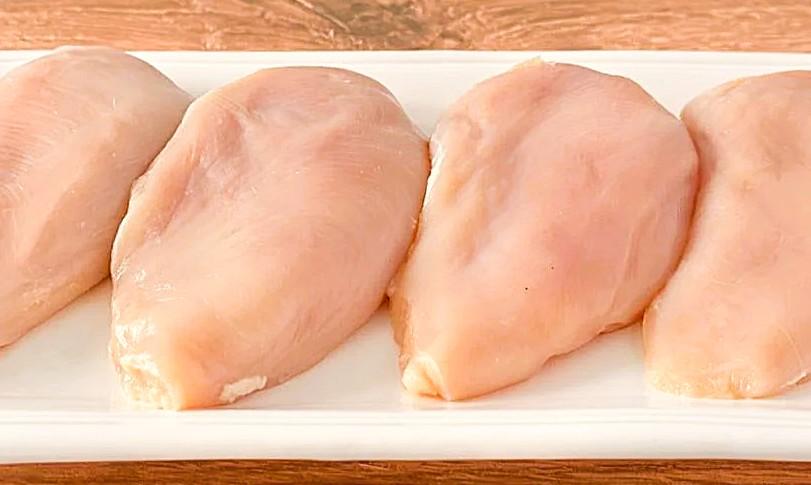
Chicken breasts are popular for their high protein, low fat, and flavor retention. Yet their moisture and nutrient content make them highly vulnerable to microbial contamination. Spoilage leads to economic losses and health risks, creating a pressing challenge for the poultry industry.
Why single methods fall short
Modified atmosphere packaging (MAP) slows bacterial growth by filling packages with gases such as carbon dioxide and nitrogen. However, MAP cannot fully eliminate spoilage microorganisms. Cold plasma (CP) sterilizes surfaces using reactive oxygen and nitrogen species, ultraviolet rays, and high-speed particles, but it struggles with penetration. Soluble gas stabilization (SGS) dissolves carbon dioxide directly into meat, enhancing antimicrobial action and preventing packaging collapse.
A study conducted in 2024 by researchers from China tested whether combining SGS, MAP, and CP could overcome these individual limitations and deliver stronger preservation results.
Inside the experiment
- Chicken breasts were trimmed into uniform blocks and packaged under sterile conditions.
- SGS treatment dissolved carbon dioxide into meat for 3 or 5 hours.
- MAP used a gas mix of 70% CO2 and 30% N2, chosen for poultry’s low heme iron and myoglobin content.
- CP treatment applied dielectric barrier discharge at 80 kV for 5 minutes, repeated in cycles.
- Samples were stored at 4℃ and analyzed for microbial counts, packaging collapse, pH, lipid oxidation, and microbial diversity.
What the results reveal
SGS stabilized carbon dioxide levels in MAP packaging, preventing collapse. CP reduced initial microbial counts more effectively than MAP or SGS alone.
- Untreated chicken spoiled in 3 days.
- MAP alone extended shelf life to 5 days.
- SGS plus MAP extended storage to 6 days.
- SGS, MAP, and CP together extended shelf life to 8 days.
Physicochemical analyses showed:
- Initial pH ranged from 5.67 to 5.81, with slight decreases followed by increases during storage.
- Total volatile basic nitrogen (TVB-N) and thiobarbituric acid reactive substances (TBARS) rose with spoilage but remained lower in treated samples.
- Microbial diversity analysis revealed reduced proportions of spoilage bacteria such as Pseudomonas and Psychrobacter.
A path forward for poultry preservation
The combined use of SGS, MAP, and CP demonstrates the strength of hurdle technology. Each method compensates for the limitations of the others, resulting in longer shelf life and better product quality. This integrated approach could reduce waste, improve food safety, and support poultry producers in delivering fresher products to consumers.