


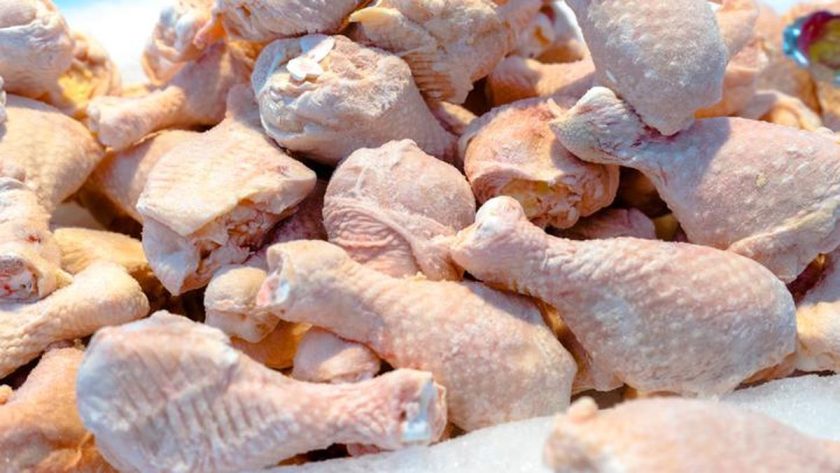
The Philippines’ United Broilers Raisers Association (UBRA) and medical experts said the sale of frozen imported chicken in wet markets has long been a recurring problem in the Philippines.
UBRA Chairman Elias Jose Inciong told a local media, “The principle there is if it’s a frozen product, whether chicken or pork, it should not be exposed to the environment while being defrosted. It should not be out in the open. It should be in a chiller. It should not be exposed in the environment.”
He continued, “Either it should be in a freezer, chiller or iced cooler. When you let it in an open environment, as it melts, the cell integrity is being compromised thus it can absorb what is in the environment whether it is virus or bacteria.”
The risk of bacterial contamination is also higher in frozen products given the process of packaging and storage, Mr Inciong said.
“Likewise, frozen products tend to use chemicals to avoid freezer burn. Health authorities said such chemicals can sometimes result in simple skin redness and swelling to as severe as chest pains and palpitations,” he added.
Mr Inciong said vendors in wet markets should not sell frozen products if they do not have a freezer because thawing and refreezing also risk the product from Salmonella.
Meanwhile, UBRA Technical Committee Rolly dela Torre said food safety features should be in place when selling imported frozen chickens such as efficient cold chain facility and proper refrigeration equipment at the market level.
Dr Dela Torre added that expiration must also be observed as well as the provisions of the Food Safety Act and regulations of the National Meat Inspection Service on handling frozen meat be followed.
The poultry group is also urging the government to confiscate thawed or contaminated meat and apprehend and penalize violators under the Food Safety Act and the Code of Sanitation of the Philippines.