








Available in other languages:
Content available at:
A food safety scandal is unfolding in Vietnam, as tens of thousands of low-grade livestock cooking oil meant solely for animal feed have been illegally repackaged and sold for human consumption.
This tainted oil has made its way into industrial kitchens, restaurants, and food manufacturing facilities.
In response, the Vietnam Food Administration under the Ministry of Health issued a strong warning. They said that this a serious food safety violation and a danger to public health.

According to Dr Bui Hoang Bich Uyen, a specialist at the Nutrition Department of Xuyen A General Hospital (Ho Chi Minh City), livestock cooking oil is a crude, unrefined vegetable oil. It used to provide energy in animal feed and is deemed unsafe for humans.
This oil may contain impurities:
There are clear differences in quality standards, intended use, and safety between oil for livestock and oil for human consumption. These differences arise from differing biological systems and toxin tolerance of animals and humans.


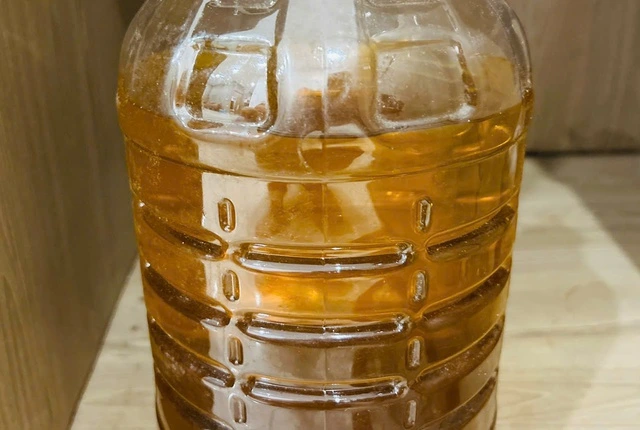
Livestock cooking oil may contain impurities, heavy metals, pesticide residues, or toxic oxidized compounds. Photo: Vietnam.vn.
Using this type of oil in human food can cause serious health problems, including:
The main reason is cost. Livestock oil is much cheaper than food-grade oil. This price difference creates an incentive for unethical suppliers or manufacturers to mix or substitute it in large-scale food processing operations.
These practices are most likely to occur in canteens, low-cost eateries, and ready-to-eat meal providers, especially in industrial zones where high consumption makes cost-cutting more tempting and oversight more challenging.
What can be done?
The Vietnam Food Administration recommends:
Livestock cooking oil is not safe for human consumption, and its misuse poses significant health risks. Consumers must remain vigilant, while food businesses must strictly follow ethical standards and safety regulations.



Subscribe now to the poultry technical magazine
AUTHORS

Newcastle Disease: One Hundred Years On, Why Transmission Control Matters More Than Ever
Mustafa Seckin Sandikli
Egg Size Versatility in Nick Chick – Part I
H&N Technical Department
Interview with Khaled Abdel Nasser Awwad
Khaled Abdel Nasser Awwad
When the Supply Chain Breaks: Poultry Prices and the Economics of Maritime Disruption in the Middle East
Dima Chatila
Reovirus Infections in the Broiler Industry
Edgar O. Oviedo Rondón
Egg Condensation in Hatcheries: A Hidden Risk for Embryo Development, Hatchability and Chick Quality
Rasel Ahmed
From Chat to Farm Insight: Bridging the Social Data Gap in Indonesian Broiler Farming
Setiawan Guntarto
Labor Shortage in the Poultry Industry: Potential Solutions
Edgar O. Oviedo Rondón
A Comparison of Soybean Meal from Different Origins in Terms of Nutrient Composition, Amino Acid Profile, and Protein Quality
Güner GÖVENÇ
When Algorithms Start to Control Feed Composition
Henri E. Prasetyo DVM. M.Vsc







