


Content available at:
Egg prices in Vietnam have continued to rise quietly but significantly in recent weeks, even though domestic supply is not yet in shortfall. The timing is critical, as the Lunar New Year (Tet) approaches, when demand traditionally peaks.
This increase places cost pressure on farmers and distribution businesses, who must balance rising expenses with consumer expectations.
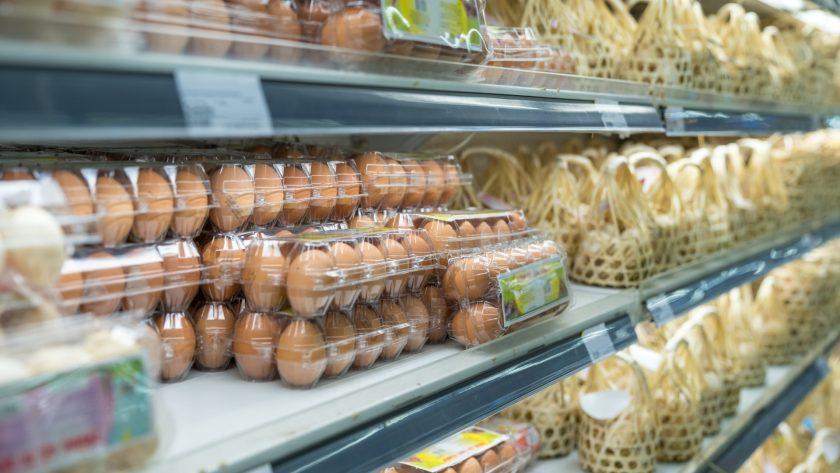
Since early January 2026, retail chains have adjusted egg prices upward. Both free-range and industrial eggs now sell for USD 1.3-1.4 per box of ten, or about USD 0.13-0.14 each. This marks the highest level in months, signaling a recovery for producers after a prolonged period of oversupply and depressed prices.
Factors driving higher prices
Industry associations point to several overlapping causes. Flooding and storms in 2025 damaged poultry farms, reducing flocks and limiting short-term output. Areas hit hardest by disasters saw significant declines in poultry stocks, leaving supply less abundant than before.
At the same time, demand has surged. Eggs are a staple ingredient in food processing, confectionery, and catering, and consumption rises sharply in the pre-Tet period. Beyond domestic demand, Cambodia has absorbed increasing volumes, further tightening availability for local consumers.
Despite these pressures, businesses emphasize that supply remains sufficient to meet Tet needs. Current prices reflect short-term shifts in supply and demand rather than a severe shortage.
Thin margins despite higher prices
Despite higher retail prices, farmers report little profit. Feed costs, which account for 65-70% of production expenses, have risen since January. Many feed manufacturers increased prices by about USD 0.008/kg, with some products rising even more.
At these levels, production costs reach USD 0.08/egg, barely covering expenses. When factoring in flock maintenance, reinvestment, and husbandry, costs rise to USD 0.09/egg. Yet distributors often pay below this threshold, forcing farmers to scale back or delay investment.
The strain is not limited to farmers. Distributors face similar challenges. Retail prices of USD 0.13-0.14/egg do not guarantee strong margins once procurement, logistics, cold storage, grading, packaging, and retail discounts are deducted. Many companies report minimal profit or even losses, but continue supplying to protect market share.
Outlook for the production chain
The egg sector now faces a difficult balancing act. Rising input costs and constrained selling prices threaten both farmers and distributors. Without adjustments, reduced flock sizes or halted reinvestment could weaken supply in the medium term, especially during peak consumption periods.