


Content available at:
Vietnam’s Khanh Hoa Province has approved a five-year animal disease prevention and control plan for 2026-2030, targeting a 30% reduction in livestock and poultry disease outbreaks.
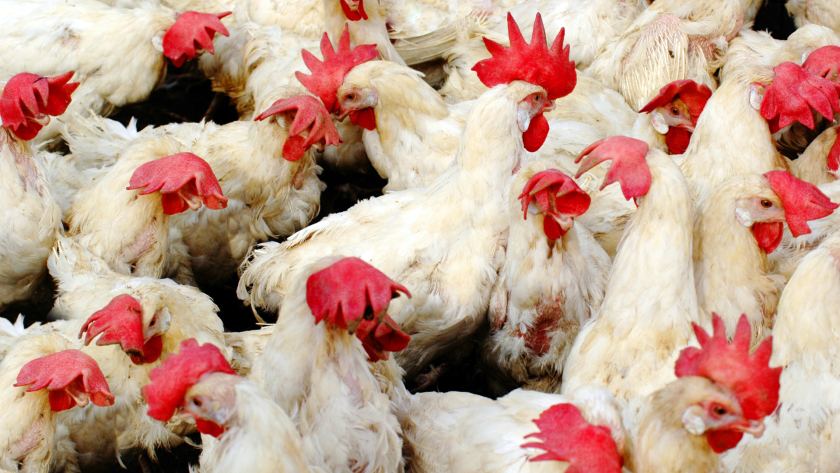
The plan focuses on controlling major transboundary and infectious animal diseases, including highly pathogenic avian influenza (HPAI), African swine fever (ASF), and foot-and-mouth disease (FMD).
These diseases remain significant threats to the livestock industry, causing substantial economic losses while posing risks to public health and food safety.
Vaccination and biosecurity at the core
To achieve its target, Khanh Hoa aims to increase mandatory vaccination coverage to more than 70% of eligible livestock populations.
Authorities expect broader vaccine coverage to strengthen herd immunity and significantly reduce the risk of disease outbreaks.
The province will implement a range of key measures, including:
- Enhanced disease surveillance: Early detection and rapid response to contain outbreaks before they spread.
- Expanded biosecurity practices: Promoting commercial, biosecure farming systems while strengthening controls over breeding stock, feed, and farm hygiene.
- Stricter animal movement controls: Reinforcing transport inspections and tightening oversight of centralized slaughterhouses to reduce disease transmission.
Expanding disease-free livestock production
Another key objective of the 2026-2030 strategy is to expand certified disease-free farms and livestock production zones, improving product value and supporting access to higher-value markets.
By 2030, the province aims to establish:
- 10 disease-free poultry farms certified for avian influenza.
- 30 disease-free facilities for foot-and-mouth disease.
- 30 disease-free facilities for African swine fever.
These certified facilities are expected to provide reliable supplies of healthy, disease-free breeding stock for producers across the province.
Strengthening veterinary capacity
To support implementation, Khanh Hoa will allocate public funding alongside other legal financial resources to modernize laboratory capacity, diagnostic systems, and early disease warning networks.
The province also plans to strengthen its local veterinary services while expanding awareness campaigns to encourage farmers to adopt proactive disease prevention practices.
Authorities expect the 2026–2030 program to improve disease control, reduce economic losses for livestock producers, and support the development of a more modern, sustainable, and resilient livestock sector in Vietnam.