


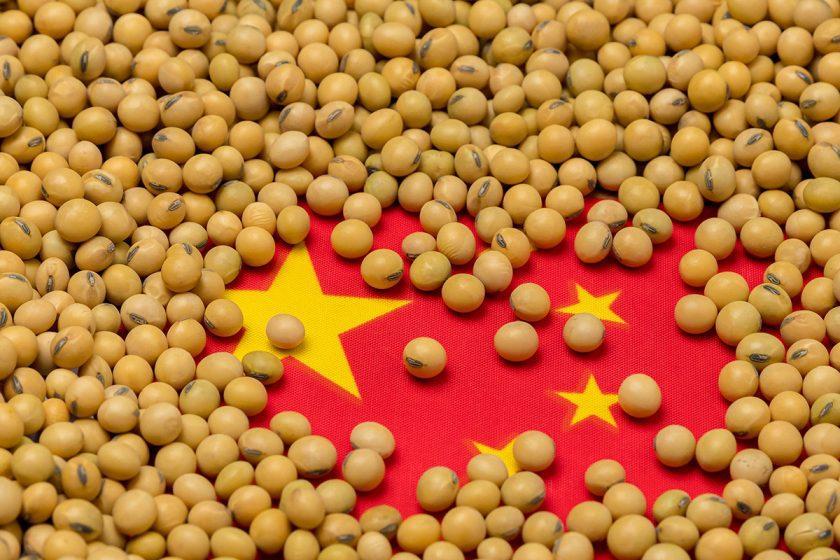
China imported a record 12.28 million tons of soybeans in August 2025, driven by strong demand from feed processors and ongoing trade tensions with the US.
This marks the largest-ever August intake, according to Reuters calculations based on data from the General Administration of Customs. The figure is up 1.2% from 12.14 million tons the previous year and 5.2% higher than July.
Analysts attribute the increase to aggressive buying by crushers.
“August soybean imports were higher than our forecast of 11 million tons due to overbuying amid a lack of progress in US-China trade talks,” said Rosa Wang, analyst at Shanghai-based consultancy JCI.
For January-August, China’s total soybean imports reached 73.31 million tons, rising 4% year-on-year.
South America strengthens role
Brazil remained China’s dominant supplier. Its September shipments is seen at 6.75 million tons, up from 5.16 million tons a year ago, according to Brazilian grain exporters’ association ANEC.
Argentina and Uruguay are also expected to play a larger role. Chinese processors may purchase up to 10 million tons from the two countries during the 2025/26 marketing year.
“Soybean arrivals in China are entering their seasonal decline,” noted Liu Jinlu, Researcher at Guoyuan Futures. “If US-China trade talks fail to make meaningful progress, concerns over supply shortages may gradually materialize, supporting prices.”
US exporters sidelined
China has not booked any soybeans from the upcoming US harvest (September–January), leaving American exporters at risk of losing billions of dollars in sales.
This absence underscores how trade frictions have reshaped global supply chains, with South America consolidating its status as China’s key supplier.
As the world’s largest soybean consumer, China’s buying patterns carry global weight. Continued reliance on South American supplies could intensify competition and drive up prices, especially if geopolitical tensions persist and weather disrupts South American harvests.