Electron beam effective on ground turkey with no flavor effects
Electron beam is a non-thermal technology that uses high-energy electron beams that cause irreparable damage to pathogen DNA.
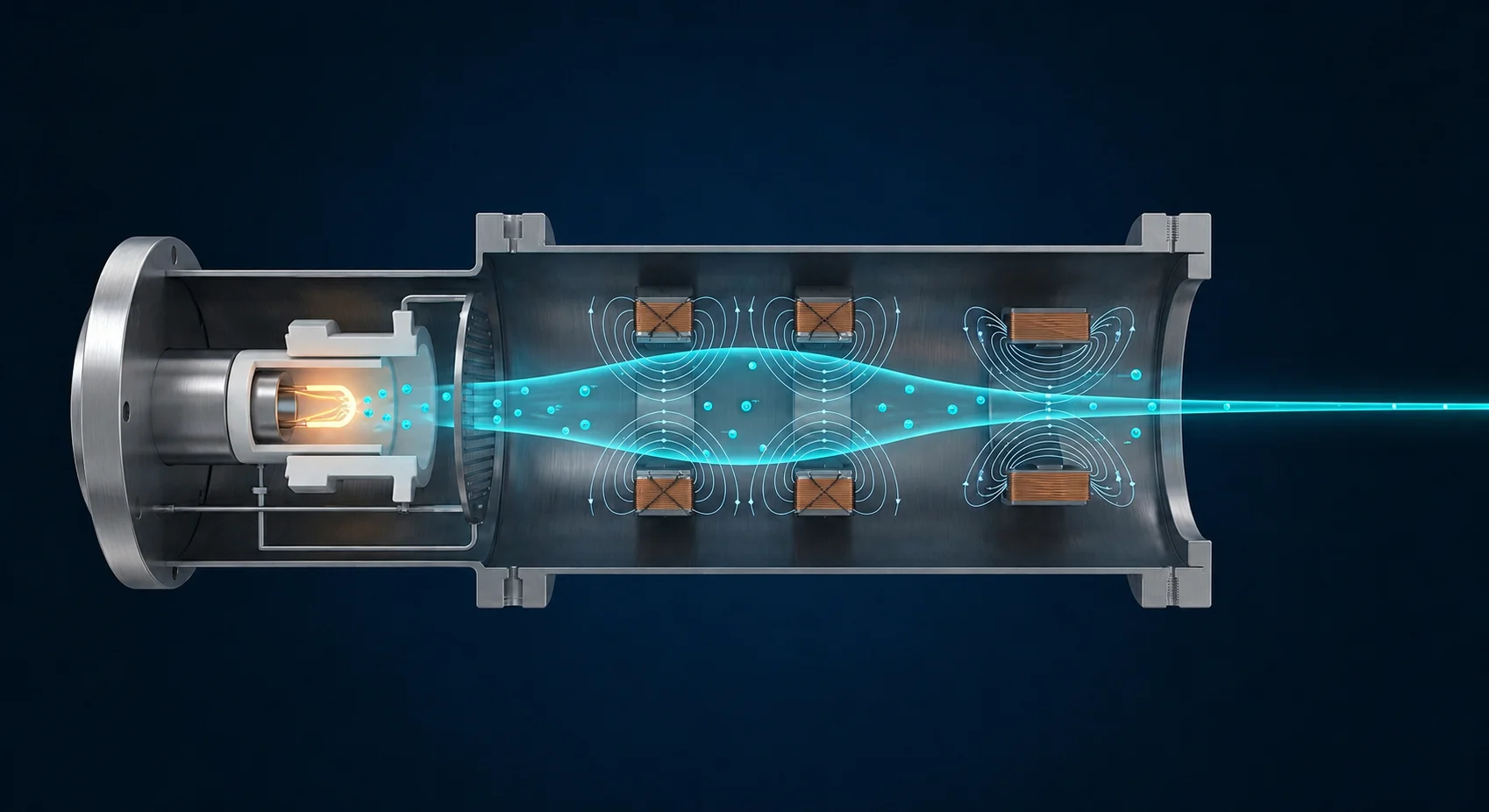
Researchers are gauging the effectiveness of electron beams in the fight against foodborne illness pathogens in poultry, wrote Mary Hightower of the University of Arkansas Division of Agriculture in an article.
‘Impact of Electron Beam (eBeam) Treatment on Meat Quality and Sensory Attributes of Ground Chicken and Turkey’ was published in the August 2026 edition of the journal Poultry Science.
At the heart of the study is eBeam, a non-thermal technology that uses high-energy electron beams that cause irreparable damage to pathogen DNA.
Casey Owens, Professor of Poultry Processing and Products for the University of Arkansas Division of Agriculture, was involved in the research using eBeam technology on poultry meat.
Casey Owens
Foodborne illness is no small thing. The US Centers for Disease Control and Prevention (CDC) said it typically coordinates 17-36 investigations of foodborne illnesses each week. In a study, the CDC said that seven foodborne pathogens accounted for 53,300 hospitalizations and 931 deaths in 2019 alone.
Along with X-rays and gamma rays, eBeam is approved by the US Food and Drug Administration for ‘cold pasteurization’ — a germ-killing technique that does not rely on heat.


X-rays, gamma rays and electron beams have been used for decades “for pathogen control in fresh, frozen and refrigerated food,” said Palmy Jesudhasan, Research Microbiologist at the US Department of Agriculture’s Agricultural Research Service.

Palmy Jesudhasan
Currently, irradiated fruits and spices are on grocery shelves, and Omaha Steaks and Schwan’s use irradiation to pasteurize beef, Mr Jesudhasan said. However, the technology’s use in ‘poultry still lacks the data to build confidence’ in its use.
“We started with ground poultry because it is a major source of Salmonella and Campylobacter and a key driver of recalls,” Mr Jesudhasan said.
The study had dual goals:
- First, understand the ability of eBeam technology to reduce or control food pathogens.
- Second, evaluate the effects of irradiation treatment on meat quality.
How eBeam works
The research team used the world’s largest electron beam irradiator at the National Center for Electron Beam Research, housed at Texas A&M University.
“eBeam is mainly used for sterilization purposes,” Jesudhasan said.
“When you expose any cells, whether it’s human cells, bacterial cells, or virus to the beam, it hits the nucleus and shreds DNA or RNA so bacteria cannot replicate.”
While it can halt bad bacteria, the beam can induce other effects.
He said the process “could also generate other reactive oxygen species that can also cause not-so-good side effects for the bacteria.”
What about the flavor?
The trick is finding the right dose. “We don’t want to use too much of a dose,” Mr Jesudhasan said. “When you use too much, it might make the product bad.”
While the electron beam does not heat or cook the meat, its oxidizing qualities bear watching, especially in poultry, said Prof Owens.
“You’ve got to do the meat quality testing, because the oxidation is really the main thing that can start changing quality,” she said.
Poultry’s higher levels of unsaturated fats make it more susceptible to oxidation.
“Oxidation breaks down fats, and the degradation of those fats causes off-flavors and off-odors,” Prof Owens said.
“Think about leftover holiday turkey. The next day it has what some people call a ‘warmed-over’ flavor,” she said. “That’s mild oxidation.”
Highly oxidized fats make “meats very off-putting because it affects not only the flavor, but odor and sometimes the color,” Prof Owens said. “Consumers are not going to like it.”
Mr Jesudhasan said the research found differences in how the electron beam affected turkey versus chicken.
The turkey used in the study was in modified atmosphere packaging, or MAP. In this type of packaging, the ratios of oxygen, carbon dioxide and nitrogen are adjusted to slow oxidation.
“When turkey was in MAP, everything there looked good,” he said.
“We were able to inactivate pathogens and we were able to show meat quality was preserved. The only difference we found is in chicken meat that had the off note.”
The authors write that using eBeam “offers a promising intervention strategy to enhance microbial safety while minimizing heat-induced changes in meat quality.”
“In our previous study, we demonstrated that eBeam dose at 3 kilogray achieved 99.99% reduction of Salmonella and Campylobacter in one-pound commercial packages of ground poultry meat inoculated with these pathogens,” the authors wrote in the study.