


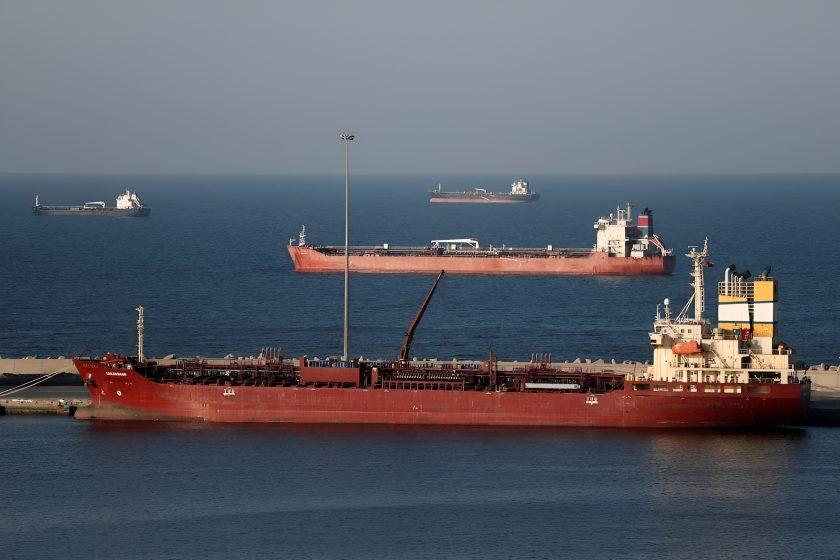
On February 28, 2026, the global supply chain for animal nutrition didn’t just bend—it broke. As Operation Epic Fury unfolded and the Islamic Revolutionary Guard Corps declared the Strait of Hormuz closed, the economics of the Indian feed industry changed overnight.
While mainstream headlines focused on escalating crude oil prices, the livestock sector began staring down a far more insidious threat: a total chemistry crisis.
Not just an oil crisis; it’s a feedstock crisis
The Strait of Hormuz controls nearly 45% of global seaborne methanol exports. Methanol is the primary feedstock for formic acid—the backbone of feed preservation—and a critical component in manufacturing methionine, poultry nutrition’s key amino acid.
When the Strait closes, it does not just make diesel expensive; it starves the chemical plants that produce the ingredients our birds depend on. The reaction from global manufacturers was instantaneous. In mid-March, leading producers announced an emergency EUR 250/ton increase on formic acid and EUR 150/ton on propionic acid. These are not routine market adjustments; they are survival measures for a supply chain under fire.
The big three impact on feed additives
For the Indian poultry sector, where feed is 68-75% of production costs, margins face a ‘triple threat’:
- Organic Acids (Formic & Propionic): These face four simultaneous pressures: skyrocketing methanol costs, natural gas surcharges at production plants, 14-day shipping delays via the Cape of Good Hope, and intense competing demand from the pharmaceutical sector.
- Amino Acids (DL-Methionine): With petrochemical precursors tethered to the volatility of rising oil, methionine prices have already breached the USD 3.00/kg mark.
- Phosphates (MCP/DCP): One-quarter of global phosphate production transits the Gulf. With major regional energy players declaring force majeure, Indian mills are facing an immediate mineral supply vacuum.
The ‘kharif’ warning: From additives to grains
The crisis extends beyond the micro-ingredients. Over 40% of India’s fertilizers are Gulf-sourced. If this disruption persists for 90 days, we are not just looking at expensive additives; we are looking at a yield crisis for maize and soya this June. The loss of Gulf exports creates a global shortfall with no quick substitutes, threatening a “margin on top of a margin” crisis for Indian farmers.
“The 2022 Russia-Ukraine war was a rehearsal. Back then, the workaround was the Middle East. That backup plan is now gone.”
The strategic response: Resilience as a requirement
We cannot wait for a geopolitical resolution. Indian feed professionals must pivot to a ‘resilience-first’ formulation strategy:
- Precision Nutrition: Rapidly transition to Net Energy (NE) systems to extract every possible kcal from available raw materials.
- Enzyme Optimization: Maximize NSP enzymes and “super-dose” Phytase to reduce dependency on skyrocketing mineral phosphates.
- Supply Diversification: Immediately explore Central Asian overland routes for alternative imports to bypass the maritime bottleneck.
- Financial Hedging: With the Rupee under pressure from a widening oil bill, locking in currency forward contracts is no longer optional.
The bottom line
The cost of feeding India changed on February 28. In an era of escalating crude oil prices and locked-down waterways, the winners will not be those who wait for prices to normalize, but those who adapt their chemistry and their strategy the fastest.
The question for your business is no longer if you will be affected, but how quickly you can rewrite your roadmap for a volatile world.