


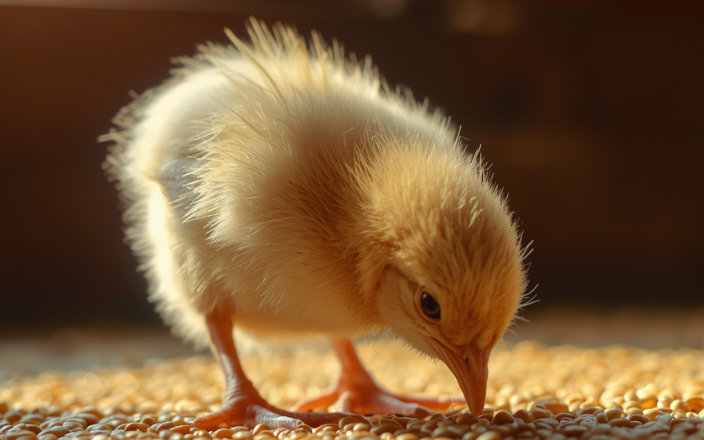
New Trends in Day Old Chick Nutrition
Early Nutrition: Setting the Foundation
The first 24 hours of a chick’s life are critical for long‑term performance. Modern hatchery practices emphasize immediate access to feed and water to reduce stress and accelerate gut development. Research shows that chicks provided with early nutrition display stronger immunity, better weight gain, and improved feed conversion ratios compared to those delayed in access. Hatcheries are increasingly adopting in‑ovo feeding techniques and specialized starter diets to ensure that chicks begin their journey with optimal nutrient intake1.
Precision Formulation and Micro‑Ingredients
A major trend is the use of precision nutrition, where diets are tailored to the specific needs of day‑old chicks. This includes balancing amino acids, vitamins, and trace minerals at micro‑levels to support rapid tissue growth. Additives such as probiotics, prebiotics, and organic acids are being incorporated to stabilize gut microbiota from the start. These micro‑ingredients not only enhance digestion but also reduce reliance on antibiotics, aligning with global moves toward more sustainable poultry production.
Functional Proteins and Energy Sources
Protein quality is vital in the first feed. Hatcheries are turning to functional proteins such as hydrolyzed soy and plasma proteins that are highly digestible and support immune function. Energy sources are also evolving: instead of relying solely on corn, diets now integrate alternative grains and fat blends to provide steady energy release. This balanced approach helps chicks maintain thermoregulation and activity during their fragile early days2.
Focus on Gut Health and Immunity
Gut health is now seen as the cornerstone of chick development. Innovative feed strategies include encapsulated nutrients that deliver targeted release in the intestine, ensuring maximum absorption. Immunomodulators such as yeast derivatives and plant extracts are also gaining traction. These compounds stimulate the chick’s natural defenses, preparing them to face environmental challenges and common pathogens without compromising growth.
Sustainability and Local Sourcing
Another emerging trend is the integration of sustainable feed ingredients. Hatcheries are exploring locally sourced proteins and oils to reduce carbon footprints while maintaining nutritional quality. In regions with strong soybean production, for example, consistent value is being delivered through carefully processed soy products. This not only supports chick health but also aligns with consumer demand for environmentally responsible poultry production.
Conclusion
Day‑old chick nutrition is undergoing a transformation driven by science, sustainability, and precision. From early feeding strategies to functional proteins and gut health enhancers, the focus is on building resilience and efficiency from the very first day. These innovations promise healthier flocks, reduced production costs, and a more sustainable poultry industry.
Sources: