


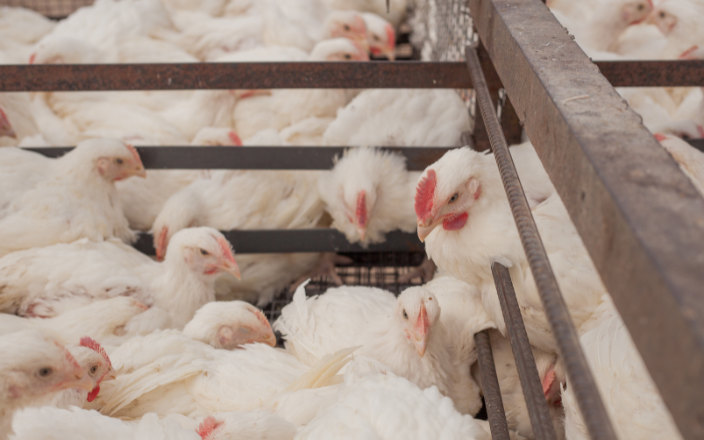
Pre-Slaughter Broiler Injuries in the Netherlands in 2026
Rising Awareness in Poultry Welfare
In 2026, the Netherlands finds itself at the center of a growing debate over animal welfare, particularly concerning broiler chickens. Pre-slaughter injuries—such as wing fractures, bruising, and dislocations—have become a pressing issue. These injuries not only raise ethical concerns but also affect meat quality and consumer trust in the poultry industry. The Netherlands, known for its advanced agricultural systems, is now facing scrutiny over whether efficiency has overshadowed welfare standards.
Causes of Pre-Slaughter Injuries
Several factors contribute to the prevalence of injuries in broilers before slaughter:
- Handling practices: Rough catching and loading methods often result in broken wings or bruises.
- Transport conditions: Overcrowding, poor ventilation, and long travel times increase stress and physical harm.
- Genetic selection: Fast-growing broiler breeds are more fragile, making them prone to skeletal problems.
- Training gaps: Workers may lack proper training in humane handling techniques, leading to preventable harm.
These causes highlight a systemic issue where productivity targets sometimes outweigh welfare considerations.
Industry and Consumer Implications
The consequences of pre-slaughter injuries extend beyond animal welfare:
- Meat quality: Bruised or damaged carcasses reduce product value and increase waste.
- Economic impact: Losses from downgraded meat affect profitability for producers.
- Consumer perception: Growing awareness of animal welfare influences purchasing decisions, with many consumers demanding higher standards.
- Regulatory pressure: The European Union continues to tighten welfare regulations, and the Netherlands must adapt to avoid penalties or reputational damage.
Efforts Toward Improvement
In response, Dutch poultry producers and regulators are exploring solutions:
- Enhanced training programs for workers to ensure humane handling.
- Technological innovations such as automated catching systems designed to reduce stress and injury.
- Stricter monitoring of transport conditions, including mandatory welfare checks.
- Breeding strategies aimed at balancing growth efficiency with skeletal strength.
These measures reflect a shift toward prioritizing welfare without compromising productivity.
Looking Ahead
The debate over pre-slaughter broiler injuries in the Netherlands is more than an industry issue—it is a societal concern. As consumers demand transparency and ethical practices, the poultry sector must adapt. 2026 could mark a turning point where welfare standards become as important as production efficiency. The challenge lies in balancing economic realities with ethical responsibilities, ensuring that the Netherlands maintains its reputation as a leader in sustainable and humane agriculture.
Sources: Available upon request