


Content available at:
South Korea’s decision in late April 2026 to allow imports of processed chicken from Vietnam marks a milestone for Vietnam’s livestock and food processing industries.
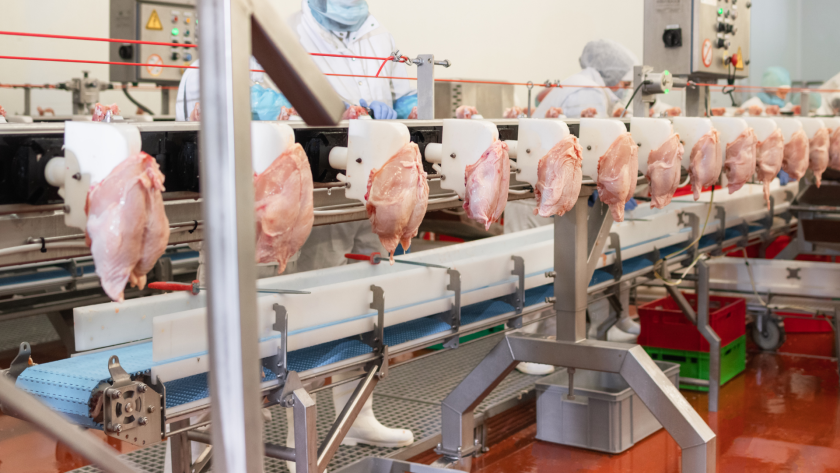
The move not only creates new export opportunities in a highly regulated market but also reflects Vietnam’s broader shift from raw commodity exports to higher‑value processed products that meet international standards.
Value-added processing drive export growth
Vietnam’s Ministry of Agriculture and Environment reported livestock product exports of about USD 245 million in the first four months of 2026, up 45.5% year-on-year. Exports of meat and edible meat byproducts totaled USD 73.5 million, a 16.5% increase.
South Korea’s approval followed years of technical negotiations, underscoring Vietnam’s progress in meeting strict requirements for animal health, food safety, and traceability.
Vietnamese processed chicken is already shipped to Japan, Singapore, Hong Kong (China), Belarus, Kazakhstan, Armenia, Kyrgyzstan, Cambodia, and Laos. Expanding destinations is expected to accelerate modernization and sustainable growth in the meat processing sector.
This expansion of export destinations is expected to provide further momentum for the modernization and sustainable development of Vietnam’s meat processing industry.
At the policy level, the government has introduced measures to encourage investment in slaughtering, processing, and value chain development.
Government policy is also supportive. Under Decision No. 1740/QD‑TTg, Vietnam aims to raise processed livestock and poultry products to 40–50% of total output by 2030 and increase export revenues to USD 3–4 billion.
Industrial‑scale processing enterprises have expanded steadily in recent years, driving consistent growth in processed meat output. This highlights how processing is becoming a central pillar of Vietnam’s livestock value chain, shaping both production and trade.
Consumer trends reshape meat demand
Urban consumers are providing additional impetus as they are steadily shifting from freshly slaughtered ‘warm meat’ to chilled and processed products. Rising demand for convenience foods, modern retail expansion, and food safety concerns are driving investment in integrated production systems with stronger quality control and traceability.
Beyond the domestic market, processed food consumption is increasing across Asia, creating new opportunities for Vietnamese firms to join regional and global supply chains.
Challenges remain in infrastructure and production
Despite encouraging progress, Vietnam’s meat processing industry still has significant room for growth. The bulk of livestock products continues to be marketed in raw or minimally processed forms, limiting value addition across the supply chain.
Industry experts note that the share of further processed products remains modest relative to the the sector’s potential. Products such as sausages, ham, smoked meats, ready-to-eat foods, and packaged chilled meat still account for only a small share of overall consumption.
One of the most pressing challenges is the lack of a fully developed cold chain infrastructure. Gaps in refrigerated storage, cold transportation, and post-slaughter handling reduce shelf life and limit the growth of processed meat products.
Moreover, small-scale livestock production remains widespread, making it harder to build concentrated production zones, strengthen disease control, and meet stricter import requirements on animal health, food safety, and traceability.
Trade agreements and Halal markets offer opportunities
As Vietnam deepens its integration into global trade, free trade agreements such as the Comprehensive and Progressive Agreement for Trans-Pacific Partnership (CPTPP), EU-Vietnam Free Trade Agreement (EVFTA), and Regional Comprehensive Economic Partnership (RCEP) are opening access to high‑value markets under preferential tariffs.
Particularly promising is the global Halal market, which serves more than two billion Muslim consumers and is increasingly viewed as a major growth opportunity for processed poultry and beef. Success will require continued investment in technology, supply chain management, and compliance with international standards on quality, sustainability, and environmental performance.
Vietnam’s livestock sector is entering a new stage where value‑added processing is essential. Expanding exports and shifting consumer demand are expected to strengthen the competitiveness of Vietnamese meat in global markets.