Sources: Available upon request





In recent months, consumers have been facing unprecedented increases in egg prices, prompting many to seek out alternative solutions. One surprising trend that has emerged is the rental of chickens, allowing households to produce their own eggs and bypass the soaring costs at the grocery store.
Causes of rising egg prices
The surge in egg prices can be attributed to several factors, including supply chain disruptions, increased feed costs, and a rise in demand. As a result, the average price of a dozen eggs has reached record highs, leaving many consumers frustrated and searching for more affordable options.
The concept of chicken rentals


Enter the concept of chicken rentals. Companies specializing in this unique service provide customers with everything they need to start their own backyard egg production. This typically includes a small flock of hens, a portable coop, feed, and ongoing support. The rental period can vary, with some companies offering short-term rentals for a few months and others providing year-long agreements.
Benefits of renting chickens
One of the primary benefits of renting chickens is the ability to have a consistent supply of fresh eggs. Depending on the number of hens rented, a household can expect to collect several eggs per day, significantly reducing their reliance on store-bought eggs. Additionally, many people find the experience of raising chickens to be rewarding and educational, especially for families with children.


Environmental impact
The environmental impact of chicken rentals is another appealing aspect. By producing eggs locally, consumers can reduce their carbon footprint associated with the transportation and packaging of store-bought eggs. Furthermore, chickens can help with waste management by consuming kitchen scraps and producing nutrient-rich manure for gardens.
Challenges of chicken rentals
However, renting chicken is not without its challenges. Potential renters must consider the responsibilities involved in caring for the birds, including daily feeding, cleaning the coop, and ensuring the hens’ health and safety. Additionally, local regulations and zoning laws may restrict or prohibit keeping chickens in certain areas, so it’s essential to research and comply with any applicable rules.
Conclusion
Sources: Available upon request


White-Egg Layers Rise in UK

Subscribe now to the poultry technical magazine
AUTHORS

Setting the Global Standard for Soy
Isa Tan
Importance of Eggshell Temperature, Checking and Record Keeping in a Commercial Poultry Hatchery
Rasel Ahmed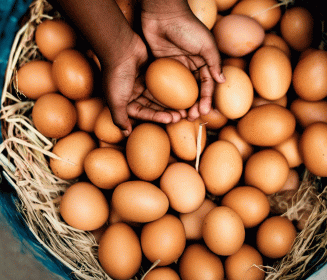
The Reality of the South African Egg Industry
Abongile Balarane
Mycoplasmosis update: Antimicrobial Resistance, Vaccines, and Control Challenges
Edgar O. Oviedo Rondón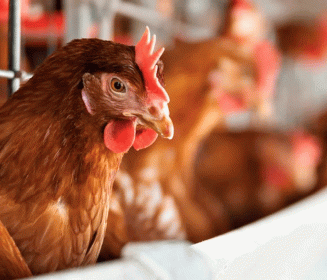
Future Flock: Antibiotic-Free Solutions for a Rising Population
Dr Ahmad Safi Dr. Faran Hameed
Interview Dr. Nivin Nasser
Dr. Nivin Nasser
Disinfection of Fertile Broiler Breeder Eggs
Edgar O. Oviedo Rondón
Precision Matters: Tackling Quality Issues in on‑Farm Vaccination
Jaime Sarabia Fragoso Kevin Gandon Pascal Paulet
Process Control: 30 Specific Aspects to Evaluate from Pre-Slaughter to Slaughter
Eduardo Cervantes López
Ishikawa Diagram Applied to Processing of Chickens
Eduardo Cervantes López