


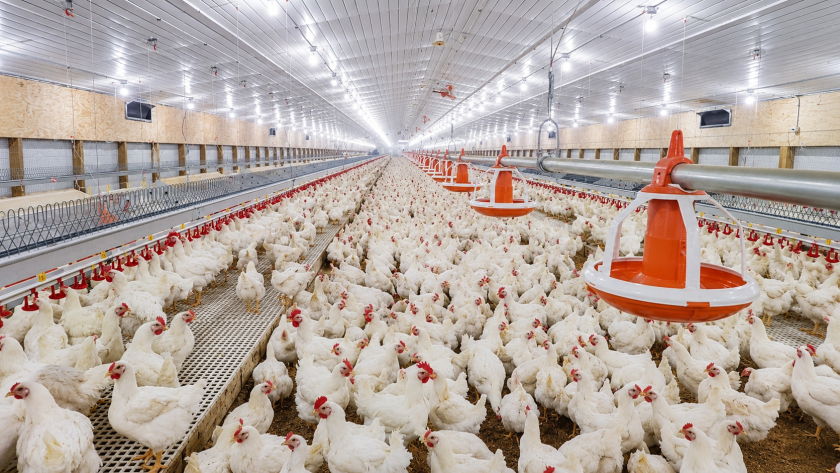
A problem hidden in plain sight
Production variability of 5–10% between flocks managed on identical feed programs is a familiar frustration across the poultry industry. Day-old chick (DOC) rejection rates exceeding 5% driven by yolk defects, weak navels, and poor vitality are accepted as an unfortunate norm. Early embryonic death, peaking at days 4–7 of incubation, is routinely logged without connecting it back to the hen’s internal physiology.
The uncomfortable truth is that a hen can look physically perfect while being metabolically compromised. Almost no standard farm audit checks for metabolic health markers such as liver enzyme activity, blood triglyceride levels, or antioxidant status. This blind spot is costing the industry in ways that go unmeasured and, consequently, unaddressed.

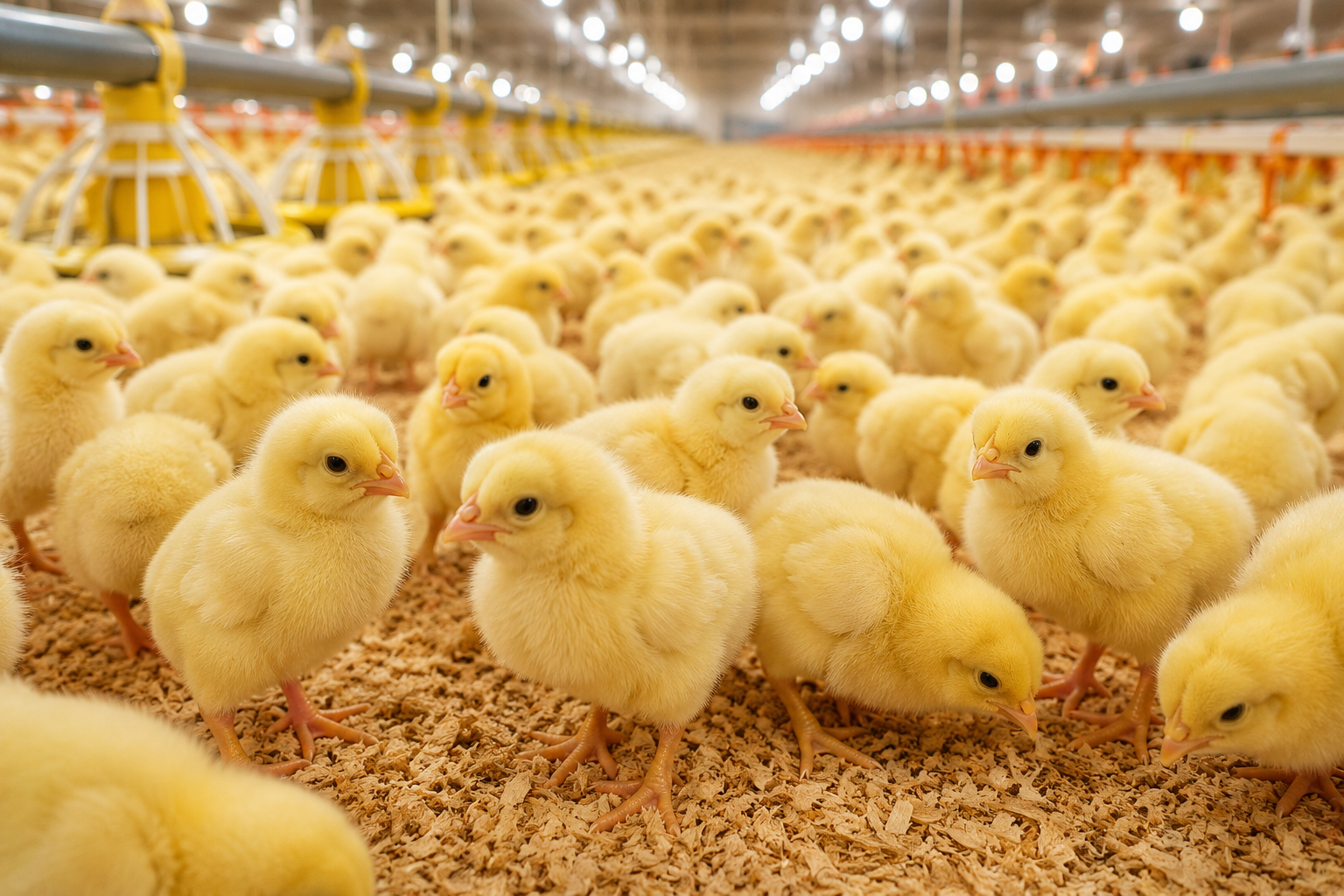
The cellular economy of reproduction
Every reproductive event follicle selection, ovulation, albumen secretion, shell calcification is an energy-requiring biochemical process. At the centre of this energy economy are mitochondria, which produce ATP through oxidative phosphorylation and derive 60–70% of the laying hen’s energy from fatty acid beta-oxidation. When fat oxidation is impaired, the result is a dual failure: both an energy deficit and an abnormal yolk lipid profile, the latter being a well-documented cause of embryonic death during organogenesis.
Insulin sensitivity governs how efficiently cells capture glucose. In overconditioned hens, insulin resistance develops, creating an energy crisis specifically within the oviduct and reproductive tissues. Simultaneously, excess reactive oxygen species (ROS) from poor antioxidant nutrition damage oocytes, sperm DNA, and cell membranes. Hormonal cascades involving insulin, IGF-1, progesterone, corticosterone, thyroid hormones, and leptin all interact to regulate ovulation and egg formation. Any disruption to this network, whether from obesity, nutritional deficiency, or environmental stress, cascades into measurable reproductive losses.
Body condition and the liver: Two pillars of metabolic health
Body Condition Score (BCS) remains the most accessible field indicator of metabolic status. A BCS of 3 representing an optimal body fat percentage of approximately 20–25% is associated with the best hatchability, consistent ovulation, and peak reproductive output. Underconditioned birds (BCS 1–2) lack the yolk precursors needed for viable egg formation. Overconditioned birds (BCS 4–5) develop insulin resistance, disrupted follicular hierarchies, and eventually the life-threatening condition known as Fatty Liver Syndrome (FLS).
A critical conceptual reframe is needed here: adipose tissue in broiler breeders is not passive energy storage. It is an active endocrine organ secreting adipokine that directly regulate ovarian function, immune response, and systemic inflammation. This understanding transforms BCS from a simple weight management target into a window on the hen’s endocrine environment.
The liver functions as the metabolic hub of the breeder hen. It synthesizes VLDL for yolk lipid transport, produces vitellogenin (the yolk precursor protein), metabolises fat-soluble vitamins, and regulates blood glucose. When the liver accumulates fat as happens under conditions of high dietary energy, restricted exercise, and heat stress VLDL export fails. Yolk lipid delivery to developing follicles becomes abnormal, hatchability collapses, and sudden production dips between 30 and 45 weeks of production. Elevated ALT, AST, and plasma triglycerides are the early warning signals that most farms never measure.
Energy partitioning: Why reproduction runs last
The body’s metabolic priority list is unambiguous. Basal maintenance commands approximately 45% of available energy, thermoregulation follows at 15–20%, immune function at around 10%, body repair at 8%, and reproduction receives only what remains after all higher-priority demands are met. In a heat-stressed flock, thermoregulation alone can consume so large a proportion of available energy that reproduction is functionally starved. This is not a management failure in isolation; it is a physiological law that management must account for.
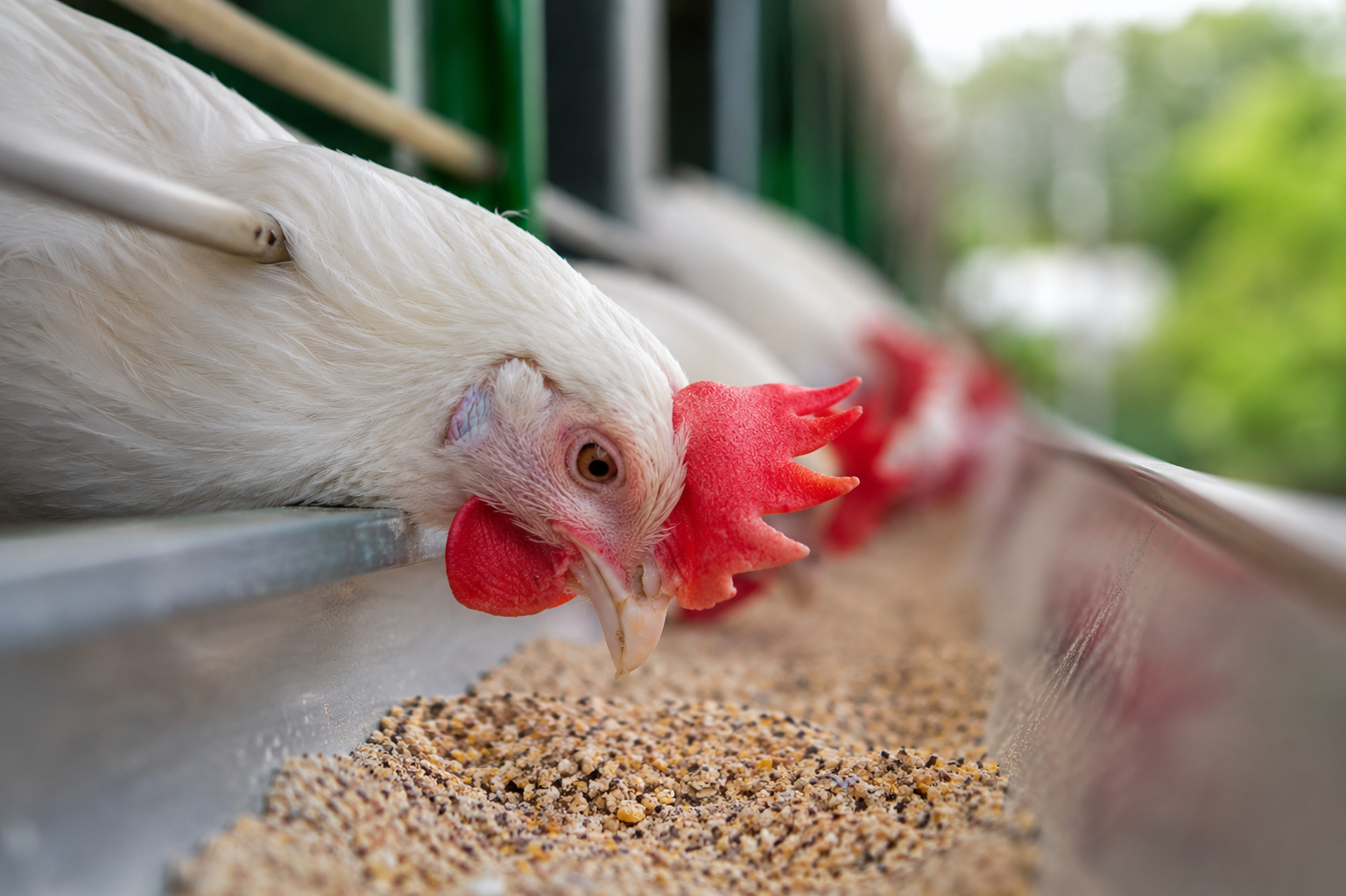
Restricted feeding in broiler breeders is therefore not a production shortcut but a metabolic necessity. Without feed restriction, birds become obese, hepatic lipogenesis spirals, and insulin sensitivity is lost. However, when feed quantity is reduced, every gram delivered must meet a precise specification. Any amino acid, vitamin, or mineral gap is magnified proportionally. This demands nutrition formulation that goes considerably beyond a standard corn-soybean meal matrix.
The forgotten half: Male metabolism
Spermatogenesis is among the most energetically demanding continuous biological processes in the male body. Testes rank among the highest per-gram energy consumers of any tissue. Males underfed or nutritionally compromised during the production period will show progressive fertility decline, often becoming apparent only after week 45 by which point significant economic damage has already occurred.
Sperm are uniquely susceptible to oxidative damage due to their high polyunsaturated fatty acid content and limited antioxidant defences. Inadequate dietary Vitamin E and selenium translate directly into elevated percentages of morphologically abnormal sperm. Males perform best at BCS 3.5 and require a distinct amino acid profile from hens; higher in methionine, lower in lysine. Separate feeding systems for males are not optional; they are a prerequisite for sustained fertility across the full production cycle.
From hen to hatchery: The metabolic inheritance
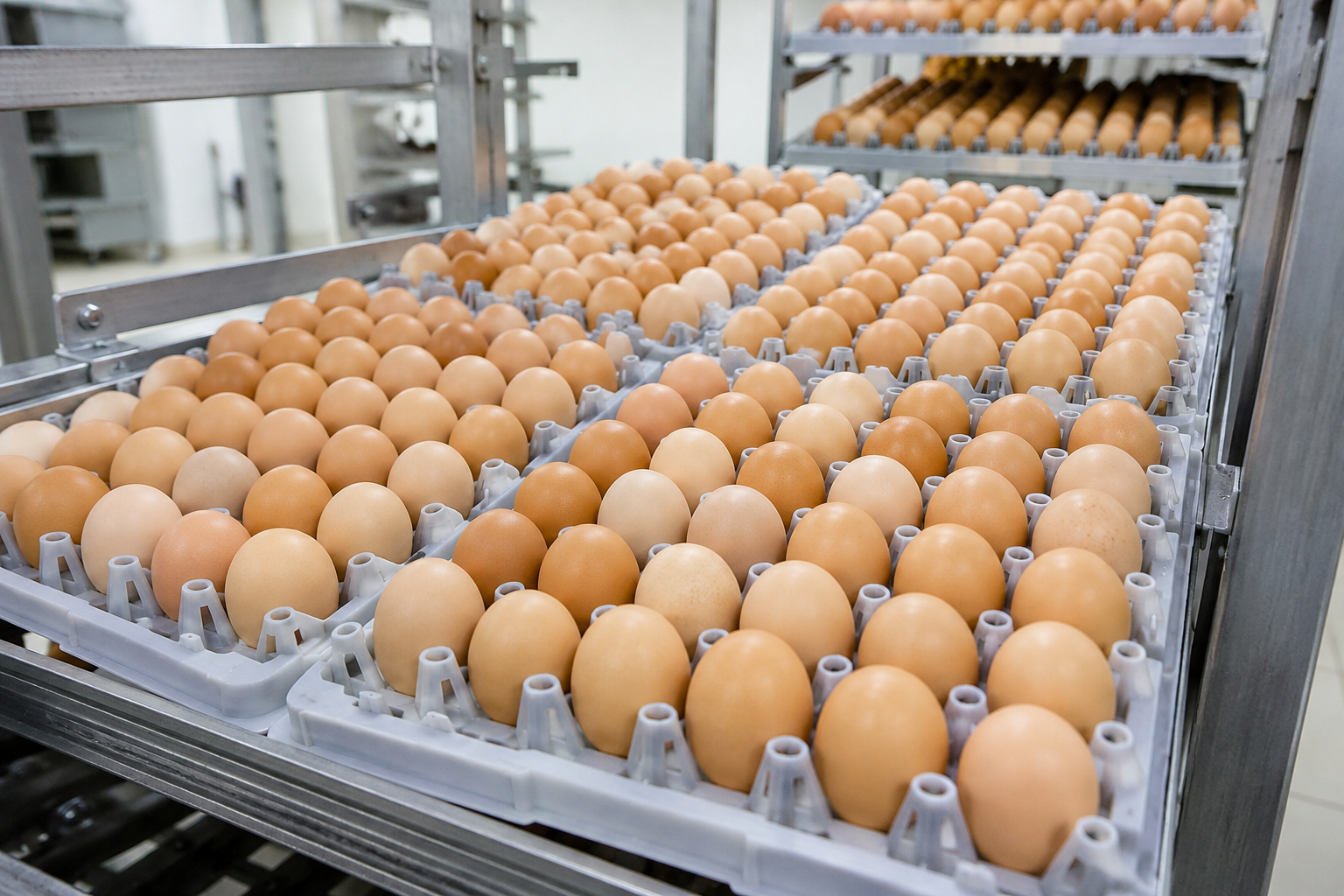
The metabolic state of the breeder hen is encoded directly into the egg she produces. Yolk lipid composition mirrors liver health, FLS generates an abnormal lipid profile that starves the embryo during organogenesis at days 4–7 of incubation. Fat-soluble vitamins transferred to the yolk are entirely dependent on liver function. Albumen protein synthesis by the oviduct is energy-dependent; an energy deficit reduces albumen index and weakens the protective cushion around the embryo. Shell quality is limited by the ATP available to drive calcium-ATPase pumps.
From the moment of fertilisation, the embryo draws entirely on what the hen deposited in the egg. Early cleavage is powered by yolk nutrients and Vitamins A and D. Brain development at days 4–7 requires DHA (docosahexaenoic acid) sourced from yolk lipids. Amino acid quality in albumen determines muscle mass in the newly hatched chick. The residual yolk absorbed at hatch becomes the chick’s first nutritional substrate, and its fatty acid composition directly influences early broiler performance and gut maturation. Every DOC is, in essence, a three-week-old metabolic report card of its breeder.
Nutritional interventions: From foundations to frontiers
Addressing breeder metabolism requires a structured nutritional strategy. Choline and methyl donors such as betaine are foundational they support hepatic VLDL assembly, prevent fat accumulation, and under heat stress conditions, betaine functions additionally as an osmoprotectant. Vitamin E and organic selenium form the antioxidant shield protecting oocytes and sperm DNA from oxidative damage. The use of 25-hydroxyvitamin D3 (25-OHD3) rather than standard D3 is clinically meaningful in heat-stressed populations, delivering two to three times the plasma concentration of active Vitamin D by bypassing an impaired hepatic hydroxylation step.
DHA supplementation deserves particular emphasis. Typical corn-soybean meal diets deliver less than 0.3% DHA as a proportion of total fatty acids, far below the 2% target required for adequate embryo brain development. This gap is directly associated with elevated embryonic mortality at organogenesis. Bicarbonate supplementation addresses the respiratory alkalosis induced by panting in heat stress, restoring the acid-base balance needed for effective shell calcification.
A rapidly emerging area of interest is the activation of AMPK (AMP-activated protein kinase), the cell’s master energy sensor. AMPK activation redirects excess fat into beta-oxidation rather than hepatic storage, restores insulin sensitivity through pathways independent of the insulin receptor, and triggers mitochondrial biogenesis resulting in greater ATP capacity even under heat stress. Natural AMPK activators under active investigation in poultry nutrition include berberine, resveratrol, quercetin, chromium propionate, metformin and curcumin combined with DHA. These represent a promising new generation of metabolic support tools, though field validation in commercial breeder operations continues to develop.
Monitoring what matters
Metabolic health management demands measurement, not assumption. At the farm level, weekly body weight records with coefficient of variation targets below 8%, monthly BCS assessment, daily feed weigh back, and hatchability tracking by pen provide early visibility into metabolic inconsistency. At the laboratory level, liver enzyme panels (ALT, AST, GGT) at 30, 45, and 60 weeks of production, fasted plasma triglycerides, plasma Vitamin E, and yolk DHA assays form a comprehensive metabolic picture that no visual inspection can replicate. Semen evaluation for motility and morphology at three points across the production cycle completes the monitoring framework.
Conclusion: Fix the metabolism, fix the hatch
The broiler breeder industry has long focused its attention on the visible feed quantities, lighting programmes, flock uniformity, and vaccination schedules. These remain important. But reproductive consistency and chick quality are ultimately determined at the cellular level, by the metabolic health of the hen and the male, and by the nutritional environment encoded into every egg.
Fatty liver syndrome, insulin resistance, oxidative stress, inadequate DHA transfer, and male nutritional neglect are not abstract research concerns. They are present on farms today, silently reducing hatchability, elevating DOC rejections, and shortening the productive life of flocks. The solutions exist in nutritional biochemistry, in monitoring protocols, and in a shift of perspective that recognises metabolism as the foundation of reproduction, not an afterthought to it.
The day-old chick tells the story of the breeder’s metabolic health from three weeks prior. For producers willing to look upstream, there is significant performance waiting to be recovered.
Based on the presentation delivered at the Scientific Leadership Roundtable and Book Pre-Launch ‘The AMPK Reproductive Revolution’ – Dr Pradip P Linge – on 10 June 2026 in Bangalore, India.
References
- Brake, J. (1993). Relationship of maternal nutrition to broiler breeder reproductive performance. Poultry Science, 72(5), 912–916.
- Hocking, P.M. et al. (2002). Genetic selection and reproductive efficiency in broiler breeders. British Poultry Science, 43(3), 374–381.
- Renema, R.A. et al. (2007). Effects of body weight and feed allocation during sexual maturation in female broiler breeders. Poultry Science, 86(9), 1963–1978.
- Onagbesan, O. et al. (2009). Adipose tissue metabolism and reproduction. Reproduction in Domestic Animals, 44(Suppl 3), 28–36.
- Christensen, V.L. et al. (2001). Effects of broiler breeder age on yolk lecithin and neonatal chick liver function. Poultry Science, 80(3), 326–335.
- Julian, R.J. (2005). Production and growth related disorders and other metabolic diseases of poultry. The Veterinary Journal, 169(3), 350–369.
- Aviagen Ross 308 Breeder Management Manual (2023). aviagen.com
- Cobb Vantress Breeder Management Guide (2022). cobbvantress.com