


Content available at:
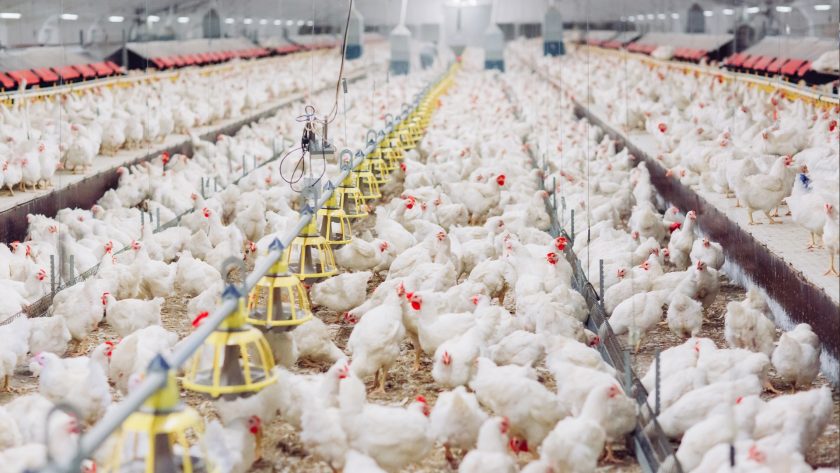
Since early 2026, poultry markets in southeast Vietnam have faced steep price declines, leaving many farming households struggling as selling prices fall below production costs.
Oversupply and weak purchasing power continue to weigh heavily on the industry, turning output management into a persistent burden for producers across the region.
In major livestock hubs such as Dong Nai, Tay Ninh, and Binh Duong, broiler prices havve continued to slide. By May, colored‑feather chickens fell to USD 1.65–1.77/kg, well below earlier levels.
White‑feather industrial chickens now trade at USD 0.98–1.06/kg, hovering near or below break‑even point. Egg prices also plunged, deepening losses across the sector.
Southern farm‑gate egg prices dropped to USD 0.05–0.06/egg, down from USD 0.08 in Q1. Small eggs occasionally hit USD 0.04–0.05/piece.
Production costs remain high at USD 0.06–0.07/egg, forcing farmers to sell at a loss while inventories continue to build.
Factors behind the downturn
Several factors have compounded the crisis:
- Sluggish post-Tet consumption: Demand from industrial kitchens and schools has recovered more slowly than expected, leading to high inventory levels.
- Export disruptions: In Tay Ninh, informal exports to Cambodia have become unstable, forcing excess supply back into a saturated domestic market.
- Rapid population growth: National poultry stocks grew by approximately 3.3% year-on-year in Q1 2026. While industrial farming models have boosted productivity, the lack of stable off-take agreements has resulted in the recurring ‘bumper crop, low price’ paradox.
Searching for solutions
Experts urge farmers to avoid rapid restocking until demand improves. Industry leaders recommend shifting toward processing to capture higher margins.
Rather than relying solely on fresh produce, enterprises are diversifying into ready-to-eat eggs and processed chicken products. This shift aims to meet modern consumer trends and secure higher profit margins—a path already being paved by the industry’s major players.
Long‑term recovery depends on exports. Markets such as the Middle East offer potential but require strict compliance with Halal standards, food safety, and traceability.
Signs of opportunity
In late April, South Korea opened its market to Vietnamese processed poultry, marking a breakthrough for exporters.
Analysts stress that sustainable growth requires a tightly linked value chain, integrating production, processing, and distribution.
Such synergy can stabilize prices, manage output, and reduce risks, offering farmers a path toward resilience and profitability.