Hanoi steps up disease prevention and control in livestock and poultry
The strengthened disease prevention and control measures come amid a series of outbreaks of serious infectious diseases among livestock in Hanoi since the beginning of 2026.

Available in other languages:
This post is also available in:
Vietnam’s Hanoi is calling on local authorities to strengthen disease surveillance, vaccination and biosecurity measures to prevent serious diseases from spreading among livestock and poultry, amid rising disease risks towards the end of 2026.
In a newly issued directive, the Hanoi Department of Agriculture and Environment has urged commune- and ward-level People’s Committees to allocate resources proactively and effectively implement long-term programs and plans for animal disease prevention and control.
Local authorities have been instructed to direct their specialized departments and subordinate units to closely monitor livestock populations, strengthen disease surveillance, detect outbreaks early and take timely action in accordance with regulations.
They must ensure that outbreaks do not occur or spread as a result of negligence or complacency.
Inspection activities are also to be intensified to detect and address the illegal transportation of animals that are infected or suspected of being infected, unauthorized slaughtering and the disposal of animal carcasses into the environment.
Authorities must strengthen checks on the origins of animals and animal products sold at markets and strictly handle any violations.


In communes and wards experiencing outbreaks of infectious diseases among livestock, local governments are required to mobilize resources proactively and direct relevant agencies and forces to implement decisive control measures to prevent further transmission.
Expanding vaccination and promoting farm biosecurity
A key priority is to review livestock populations and organize the second round of animal vaccination for 2026.
Authorities are also required to raise awareness among farmers and provide guidance on vaccination for animals not covered by the city’s vaccine support program.
Vaccination coverage is expected to reach at least 80% of the total livestock population, with particular attention to serious diseases such as avian influenza, foot-and-mouth disease, porcine reproductive and respiratory syndrome (PRRS), lumpy skin disease and rabies.
Alongside vaccination, local authorities are to organize environmental cleaning, disinfection and sanitization campaigns in accordance with established plans to eliminate disease-causing pathogens.
Farmers are being encouraged to strengthen biosecurity practices by regularly cleaning and disinfecting animal housing, surrounding areas and farm entrances using disinfectants, lime powder and other appropriate measures.
Communication efforts will focus on raising awareness among livestock keepers and farm operators about the prevention and control of avian influenza, African swine fever, foot-and-mouth disease, lumpy skin disease and other dangerous infectious diseases.
Farmers must promptly report any signs of illness in their animals.
They are strictly prohibited from concealing outbreaks, selling infected or suspected-infected animals in an attempt to avoid losses, or disposing of animal carcasses into the environment.
The Sub-Department of Livestock Production, Fisheries and Veterinary Medicine is responsible for continuing to guide communes and wards in implementing long-term disease prevention and control programs.
It will also intensify inspections of disease prevention measures, slaughterhouse management and the transportation of animals and animal products.
The agency will coordinate with higher-level technical authorities to update information on disease developments nationwide, ensuring that relevant information is communicated promptly and appropriate response measures are proposed.
The Hanoi Agricultural Extension Centre has also been asked to step up the dissemination of new livestock production techniques, biosecurity practices and disease prevention measures among farmers.
Meanwhile, the Sub-Department of Livestock Production, Fisheries and Veterinary Medicine will continue to communicate the requirements of the Veterinary Medicine Law, the Law on Animal Husbandry and related regulations, including provisions on rabies prevention and control in animals.
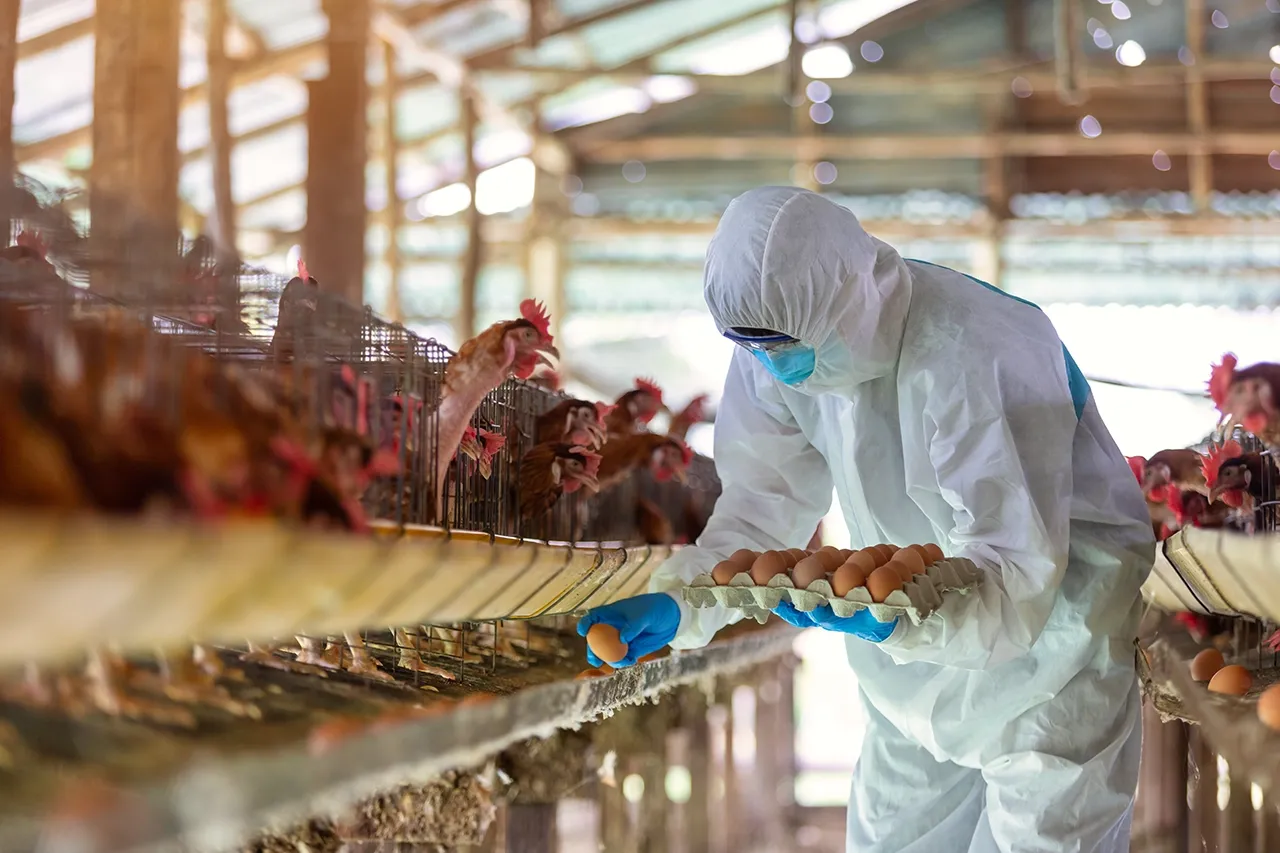
Disease risks expected to rise towards year-end
The strengthened prevention measures come amid a series of outbreaks of serious infectious diseases among livestock in Hanoi since the beginning of 2026, including animal rabies, H5N1 avian influenza and African swine fever in several localities.
Specifically, animal rabies has been reported in six communes: Hoa Lac, Ha Bang, Doai Phuong, Thach That, Kieu Phu and Yen Xuan. Meanwhile, H5N1 avian influenza has been recorded in three communes: Lien Minh, Bat Bat and Vat Lai.
Against this backdrop, the risk of new outbreaks and further disease transmission among livestock and poultry is considered high during the final months of the year.
Proactive surveillance, vaccination, environmental cleaning and disinfection, and strict compliance with regulations governing animal husbandry and the transportation of animals are regarded as essential measures to minimize losses, protect livestock populations and maintain the stability of livestock production across the city.
Related to Biosecurity

News 03 Nov


New Hatchery Findings Highlight Hidden Microbial Risks to Day-Old Chicks

Article 07 Oct
Egg Biosecurity: Building a Chain of Barriers from Hen to Egg

News 06 Oct
Global Poultry Biosecurity Gets a New International Framework

News 08 Sep
One Truck, Multiple Farms: The Hidden Biosecurity Risk in Poultry Transport

Article 04 Sep
Biosecurity Levels In Poultry Farming: External, Internal, and Personnel Implementation

News 11 Aug
Microbiome-Based Biosecurity in Chicks

News 14 Jul
UK Updates Turkey Biosecurity Standards

News 16 Jun
Strengthening Poultry Biosecurity in the U.S.