


Animal Health & Pathology
Precision Matters: Tackling Quality Issues in on‑Farm Vaccination
To read more content about aviNews International March 2026
Animal Health & Pathology
To read more content about aviNews International March 2026

Vaccinating pullets is fundamental to safeguarding layer and broiler‑breeder flocks during rearing. Accurate immunization supports consistent egg output and fosters a uniform, high level of maternally derived antibodies in breeders throughout the production cycle. This baseline immunity supports a robust start for chicks and steadier flock performance over time.
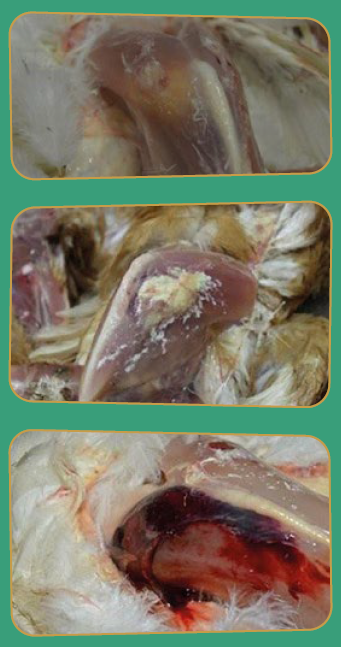
For vaccines to deliver their full benefit, every bird must receive the exact dose at the precise anatomical site. This requirement makes the operation both critical and demanding. When speed takes priority, consistency suffers and protection becomes uneven. The solution is rigorous attention to detail by all stakeholders, supported today by advanced equipment and automation that maintain high‑quality vaccination for each bird while sustaining performance. Clear standard operating procedures and paced workflows help preserve accuracy at scale.
On‑farm vaccination often unfolds in demanding environments. Many poultry operations face frequent turnover, limited formal training, and non‑standardized procedures, making consistency hard to achieve. Added to this, housing systems and flock sizes vary widely, so vaccination approaches must adapt to diverse production realities. For these reasons, ongoing training and simple, standardized playbooks are critical across sites.
Manual vaccination is repetitive and physically taxing, which contributes to operator fatigue. As hours pass, precision in handling and injection quality can decline, with knock‑on effects for bird welfare. These realities make consistent, high‑quality vaccination a persistent challenge across the sector. Planned breaks, ergonomic benches, and task rotation can help maintain execution quality.
Moving from manual syringes to intelligent automated systems keeps vaccination quality consistently high while protecting operators from injuries and self‑injection risks.
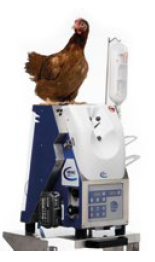
IMVAC Safe delivers a complete dose precisely into the pullet’s breast muscle, with high accuracy and repeatability. Real‑time monitoring of injection counts aligns the number of doses ordered with the number of birds actually vaccinated. This traceability strengthens inventory control and purchasing forecasts.
The operator positions the bird on the device’s morphological mold, which activates three sensors. Injection only occurs when positioning is correct, allowing one or two injections to be delivered simultaneously with 100% accuracy. Electronic control confirms that the full dose reaches the muscle. The safeguard reduces unnecessary handling and helps standardize the rhythm of operations.
A patented penetration angle combined with controlled needle depth optimizes dispersion within muscle fibers, prevents backflow, improves absorption, and strengthens the bird’s immune response.
To accommodate layers and breeders of different ages and body weights, IMVAC Safe is supplied with four distinct breast plates. The patented sensor concept authorizes injection only when positioning is correct, which standardizes handling time and avoids unnecessary manipulation.




If a bird is removed before the cycle completes, an alarm sounds and the event is logged as ‘non‑fully vaccinated’, providing end‑to‑end control throughout the day.
With the system ready, needles, pistons, and syringes remain protected from start to finish. The three‑sensor activation logic means only a correctly positioned bird can initiate injection, effectively eliminating the chance of self‑injection.
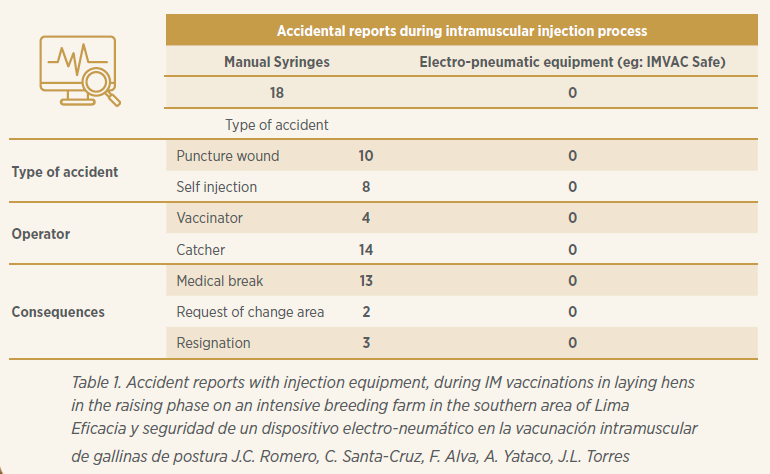
Over five years, 100% of vaccination‑related accidents occurred with manual syringes, while none were reported when electro‑pneumatic systems such as IMVAC Safe were used. The contrast highlights the safety gains made possible by electro‑pneumatic designs.
Automation also eases physical workload and reduces hardship. Better ergonomics help teams sustain consistent performance throughout the day, supporting both worker safety and bird welfare.
IMVAC Safe features a visual guidance system that assists positioning and confirms correct injections at rates up to 1,200 birds per hour. The device is simple to clean and disinfect after each session, helping secure biosecurity for subsequent vaccination days. Quick, thorough sanitation between flocks reduces cross‑contamination risks and supports biosecurity plans.
In today’s poultry sector, vaccination is no longer a routine technical step but a strategic pillar for health, productivity, welfare, and workforce durability.
| By replacing manual tools with advanced automated solutions like IMVAC Safe, producers combine precision, repeatability, operator protection, and reduced hardship in every injection, supporting sustainable farm performance over time. |
In short, automation turns vaccination into a controlled, auditable process with measurable outcomes.





RECOMMENDED





